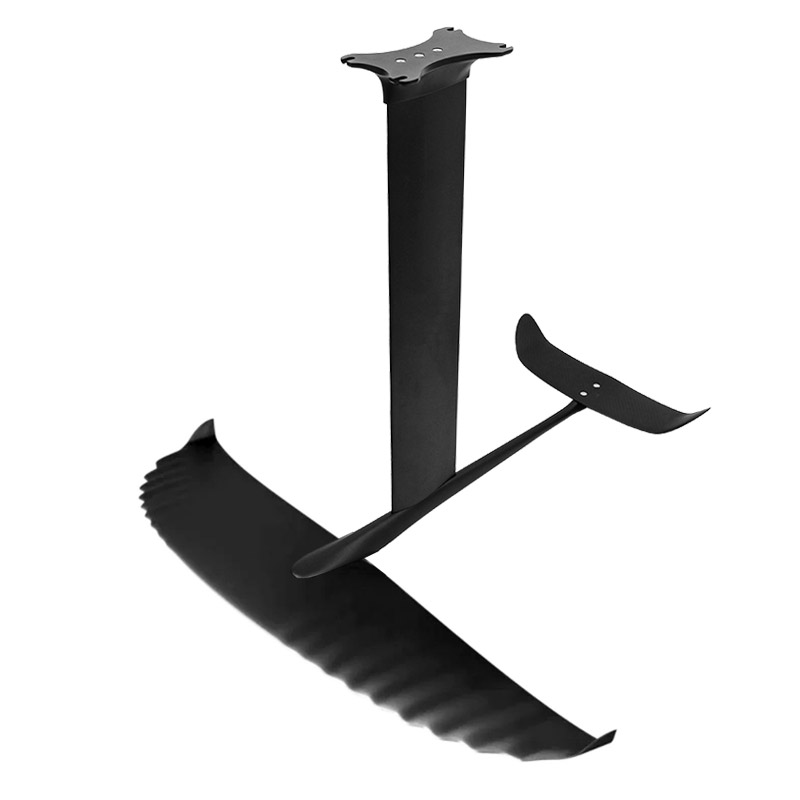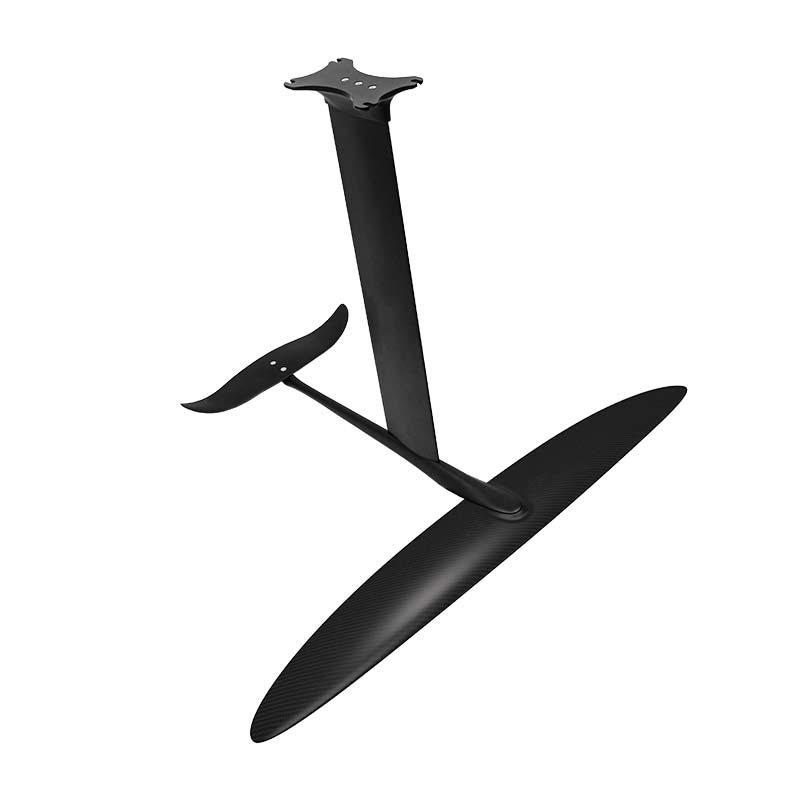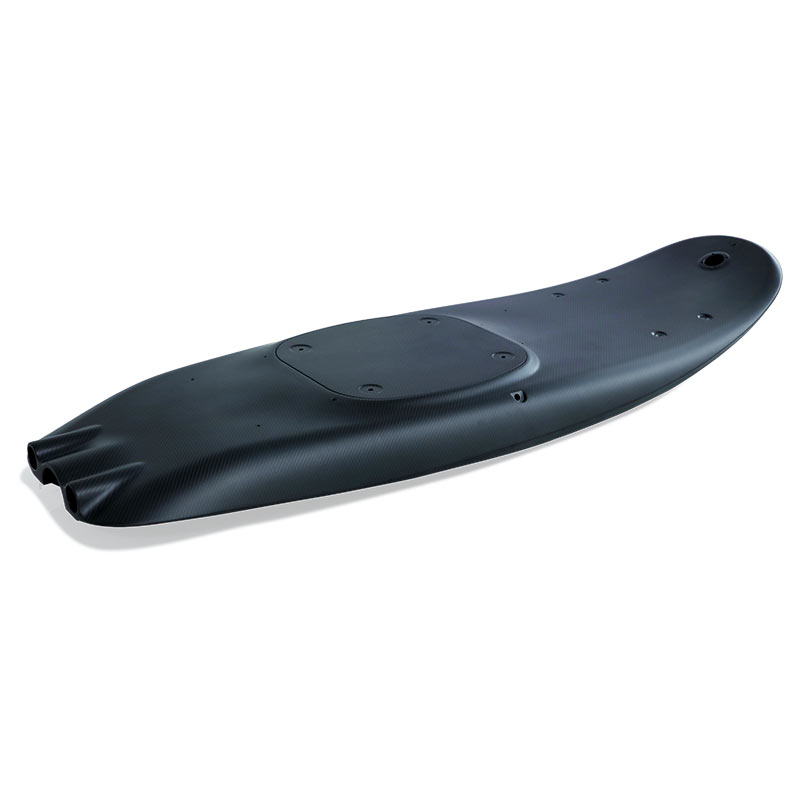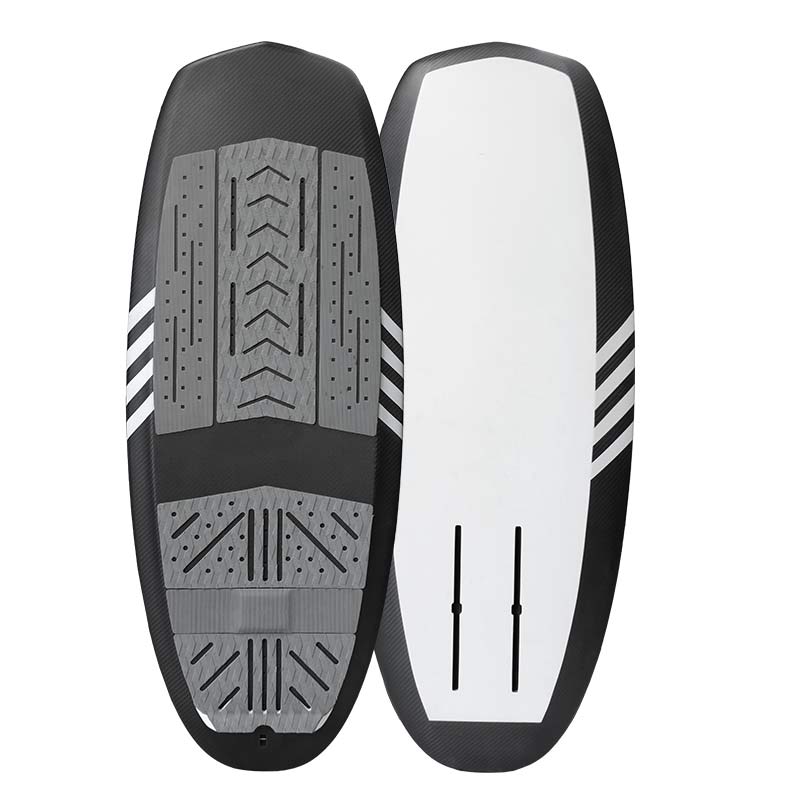
Dockstart foot placement should be built from repeatable references—not copied as one universal distance. Start with the board centerline, the mast or track position, and the stance that keeps your hips centered when both feet land. Mark that baseline, rehearse it on land, and change only one position at a time after observing a consistent failure.
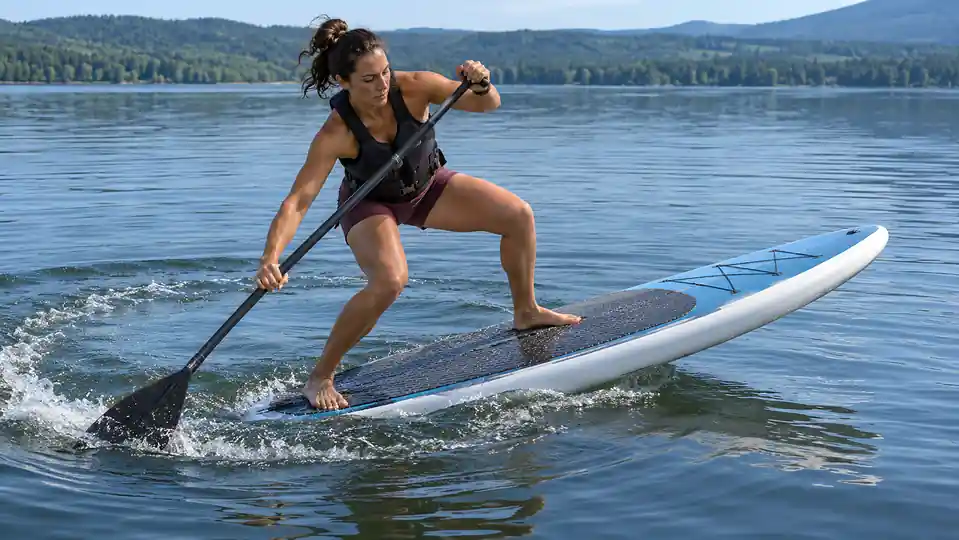
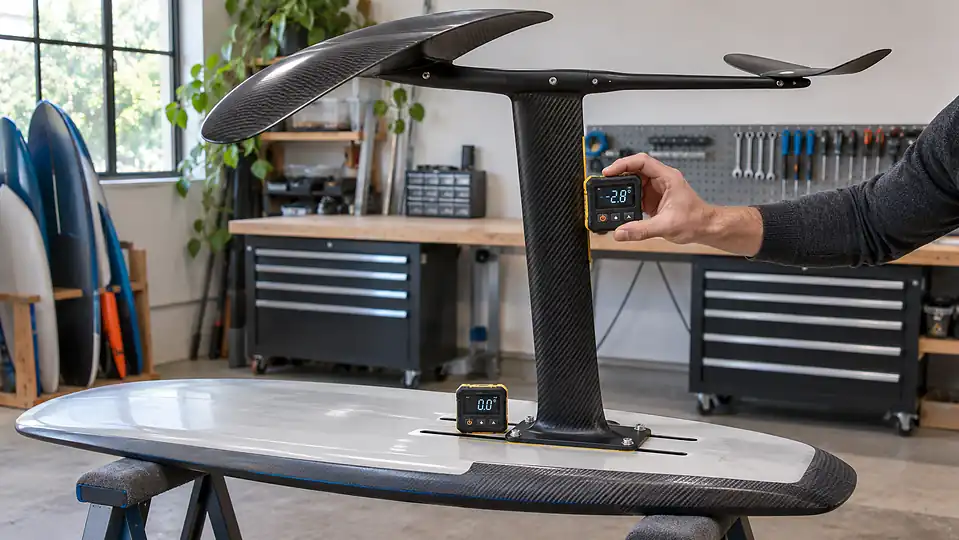
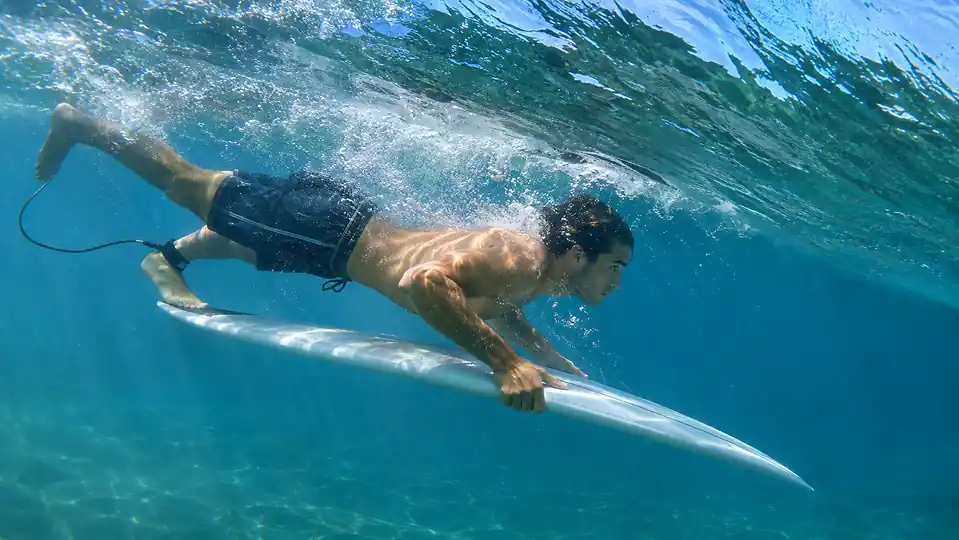
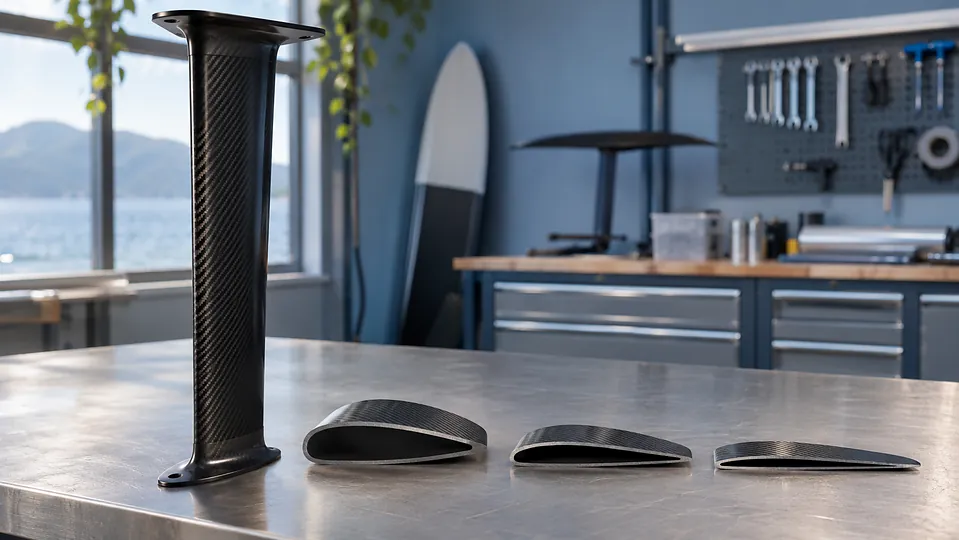
This guide is intentionally narrower than our complete dockstart foiling introduction. It is for riders who can move the board beside a dock but lose the launch because a foot lands off-center, too far aft, or too far forward. The images are generated concept photographs and diagrams, not records of Unity Sports athletes or controlled tests.
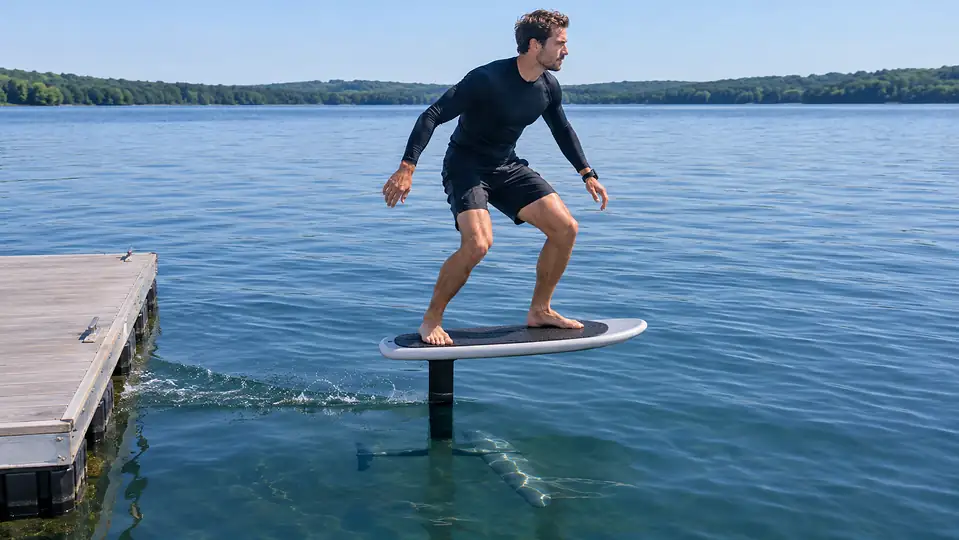
The 30-second dockstart foot placement check
| What happens immediately after landing | Check first | First controlled test |
|---|---|---|
| Nose rises, foil stalls or rider falls backward | Both feet may be too far aft, the front foot may arrive late, or entry speed may be too low | Keep the same run and move the stance forward by one small deck mark |
| Nose drives down or board touches before a clean first pump | Stance may be too far forward, or the rider may stay heavy on the front foot | Move only the front foot slightly aft and retest |
| Board rolls as soon as the feet land | One foot may be off the centerline, the mast may enter tilted, or the jump is lateral | Keep fore-aft marks unchanged and correct the centerline landing |
| Launch is balanced but the next pump collapses | Foot spacing, first-pump timing, flight height or foil setup may be the real issue | Film from the side before changing both feet |
| The same stance works one attempt in five | The reference system is not repeatable | Add visible marks and rehearse the exact hand-to-foot transfer on land |
This is a diagnosis order, not a guarantee. Launch speed, dock geometry, front-wing behavior, mast rake and rider timing can create symptoms that look like a foot-position problem.
Why dockstart foot placement errors become large foil errors
A compact pump board gives the rider very little time or deck area to correct a bad landing. The feet control pitch and roll through the board, mast, fuselage and wings. If the rider lands off the centerline, the system receives a roll input before a stable pumping rhythm exists. If both feet land too far aft, the first load can raise the nose and increase the front wing’s angle of attack until the foil slows or breaches. Too far forward can suppress lift or force an early touchdown.
Both SROKA and GONG emphasize that poor foot placement is difficult to repair after the jump. SROKA advises using hand position to help locate the feet, while GONG describes the transfer from hands to feet as a continuous control sequence rather than two unrelated actions. Their exact techniques are not universal, but the shared principle is useful: the board should not become uncontrolled between the last hand contact and the first balanced stance. See the current instructions from SROKA and GONG.
Build two reference axes before measuring your stance
The longitudinal axis controls pitch
Draw an imaginary line from nose to tail. Along this axis, record where the mast plate or track sits and where the center of each foot lands. Do not assume that the middle of the US box, the mast center and the foil’s neutral balance point are interchangeable. Board rocker, track angle, baseplate geometry, front-wing center of pressure, stabilizer load and hydrofoil mast rake all influence the stance that feels neutral.
The lateral axis controls roll
Mark the board centerline where both feet can see or feel it. Your heels and toes do not need to be perfectly symmetrical, but the pressure path should not begin with both feet displaced to one rail. A centerline mark is especially useful on a narrow board where the deck pad pattern can visually pull the foot to one side.
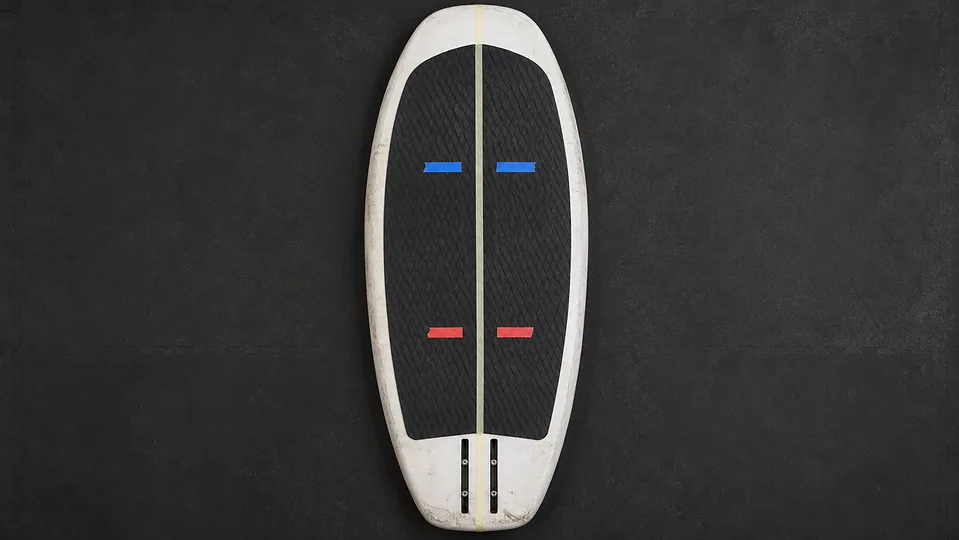
How to establish a repeatable dockstart foot placement baseline
1. Assemble one known configuration
Use the manufacturer’s approved front wing, stabilizer, fuselage, mast and fasteners. Confirm that nothing is loose and that the mast position, shim and tail are recorded. If two components change between sessions, the stance comparison is no longer controlled.
2. Record the mast or track reference
Measure from a physical datum that you can find again: a track-end reference, a numbered position, or a board drawing. Avoid vague notes such as “mast near the middle.” If the track itself is being designed or inspected, our foil track box installation guide explains why alignment and load transfer matter beyond simple placement.
3. Find a balanced dry stance
Place the board on a protected, stable surface with the foil removed or safely supported so the wings cannot injure anyone. Step into a comfortable athletic stance with soft knees and hips centered between the feet. Start with the rear foot near the mast reference and the front foot far enough forward to accept immediate pressure, but treat this as a baseline—not a law.
4. Mark centers, not entire shoes
Use removable tape or small deck-pad reference marks for the center of each foot and the board centerline. Large shoe-shaped outlines encourage riders to stare down and place every edge precisely. A few tactile or visual landmarks are faster to use while the eyes remain on the travel path.
5. Map the hands to the landing
Rehearse how the final hand position leads to the marked stance. The front hand can act as a location cue for the front foot, as described by SROKA and GONG, but the correct relationship depends on board length, running side and launch style. Mark the hand reference only after confirming that it produces the intended foot center.
6. Rehearse without a live foil beside the dock
Practice the approach, hand release and two-foot landing on a stable dry surface. The objective is not maximum jump height. It is to arrive quietly on the same marks with the chest and hips over the board. Stop when fatigue makes the repetitions worse.
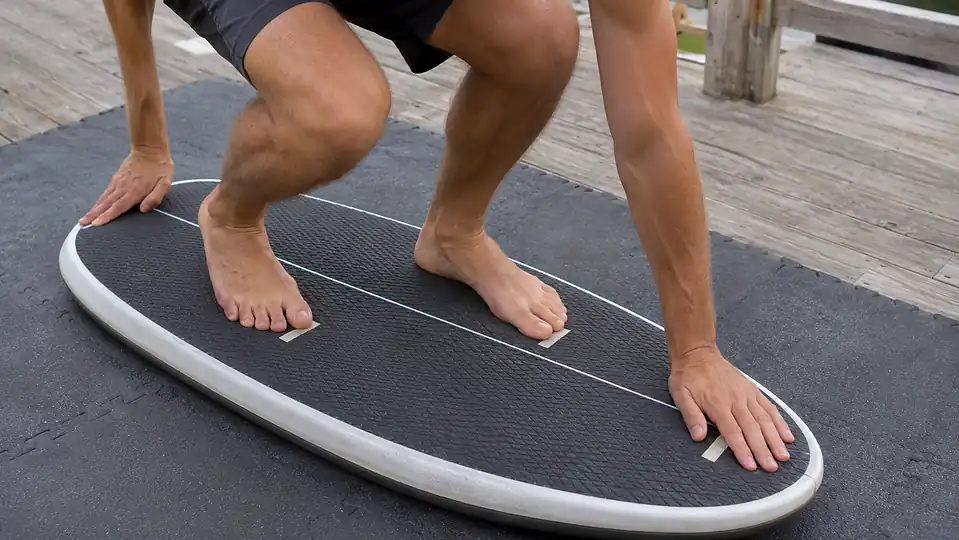
The landing sequence matters as much as the marks
Different running and assisted starts can produce different first-contact sequences, so “always land with this foot first” is too rigid. What should remain consistent is the transfer of control:
- The mast stays close to vertical during the approach.
- The board retains enough forward speed for the chosen wing.
- The first foot contact does not leave the rider paused on the tail.
- The front foot arrives quickly enough to control pitch.
- The rider finishes with hips over the centerline rather than hanging behind the board.
- The first pump begins from a controlled flight path, not a desperate recovery.
GONG stresses speed, a vertical mast, precise stance and forward commitment. Takoon also notes that the first pump must follow the landing without a long delay. These are technique principles, not a promise that one sequence suits every rider. Compare the Takoon dockstart guidance with your equipment maker’s current instructions.
Use one-mark adjustments instead of chasing the board
Once the baseline is repeatable, create a small grid around it. A practical mark interval can be a few centimeters, but the exact spacing should suit the board and rider; a tiny pump board may need finer steps than a larger training board. Keep launch location, run-up, wing, tail, mast position and water conditions as constant as practical.
| Observed pattern across several attempts | Possible stance adjustment | What must stay unchanged |
|---|---|---|
| Consistent rearward stall with adequate entry speed | Move both foot centers slightly forward, or shorten the stance from the rear | Mast position, foil and run-up |
| Consistent nose-down touchdown | Move front-foot center slightly aft before moving both feet | Rear-foot mark and first-pump timing |
| Consistent roll to one side | Correct lateral placement or body alignment | Fore-aft marks |
| Stable glide but weak pump leverage | Test a small stance-width change | Stance center and flight height |
Film from the side for pitch and from behind for centerline errors. Do not diagnose from a single fall. The existing guide to common pump foil mistakes helps separate stance errors from excessive arm movement, poor cadence and pressing instead of unweighting.
When the real problem is not your feet
Entry speed does not match the front wing
A smaller or faster-oriented front wing usually needs more clean entry speed than a larger, lift-oriented design. SROKA explicitly advises adapting run speed to the wing. Moving both feet aft cannot manufacture missing speed; it can simply increase pitch and stall risk.
The dock and mast do not form a workable launch geometry
A high dock, a very short mast or a platform that blocks the front wing can force a tilted approach. SROKA describes 30–60 cm above the water as a useful example for its method and notes that dock height and mast height must be matched. Treat that as manufacturer guidance, not a universal legal or safety standard.
The tail or fuselage changes pitch support
A more supportive stabilizer or longer fuselage can make the first seconds calmer, while a smaller tail or shorter fuselage can demand faster corrections. Review hydrofoil stabilizer size and hydrofoil fuselage length before moving the stance repeatedly to compensate for a mismatched system.
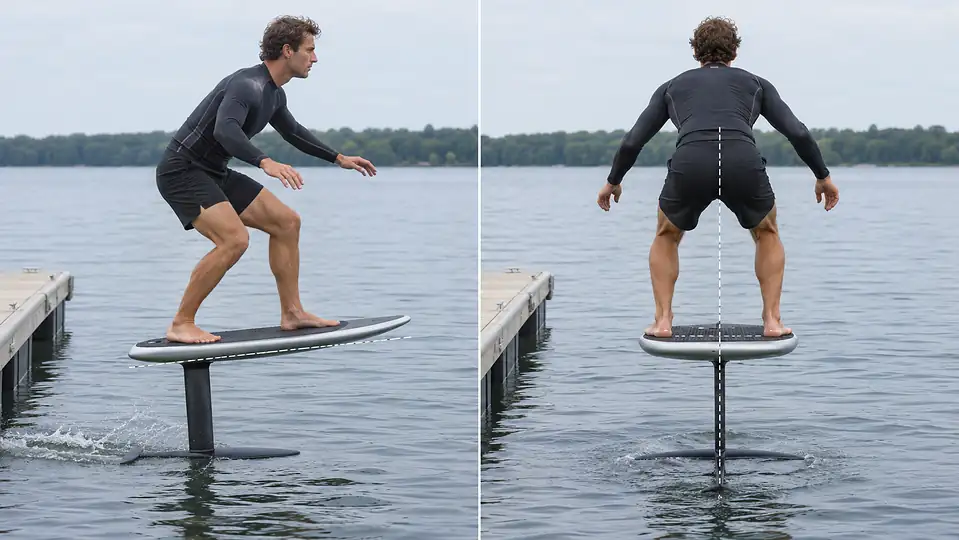
A safer progression for practicing the landing
- Static mark drill: step onto the marks repeatedly on a stable, dry board setup with no exposed foil.
- Walk-through drill: add the final hand position and one controlled step.
- Low-speed transfer: use a suitable supervised setup where the board can glide without a maximum run.
- Consistent launch drill: keep one run length and count the same approach steps.
- One-variable test: change one foot mark only after the same symptom repeats.
- Pump integration: add the first controlled pump, then use our guide on how to pump foil longer for endurance work.
Choose open, sufficiently deep water with no swimmers, traffic, chains, pilings or submerged obstacles in the fall and travel zone. Inspect the dock and local access rules. Wear protection appropriate to the location and instruction you receive. Never practice alone when a fall, entanglement or impact could leave you unable to recover. Keep clear of the sharp foil and step or fall away from it rather than trying to save the equipment.
Board designers can make correct placement easier to repeat
For an OEM pump-board project, the deck can support learning without pretending that one stance fits every foil. Useful design inputs include:
- a visible or tactile centerline that remains usable when wet;
- small fore-aft reference marks tied to the track datum;
- a pad pattern that does not create a false optical center;
- enough stance-adjustment area for the intended rider range;
- a documented relationship between track location, board geometry and approved foil systems;
- rounded, durable deck details that do not become trip points.
Unity Sports manufactures composite foil boards and hydrofoil components for brand projects. Final stance marks should come from the client’s validated system and rider trials, not from an unsupported universal template.
Questions riders ask about dockstart stance
Should the back foot always be directly over the mast?
It is a common starting reference on compact pump boards, and SROKA describes it that way, but it is not a universal final position. Track placement, mast rake, wing and tail balance, board geometry and rider technique can shift the neutral stance. Record the actual configuration and validate it in small steps.
How wide should the stance be?
Wide enough to control pitch without forcing the rider into an immobile split stance. Instead of copying one measurement, begin with a natural athletic stance, keep its center aligned with the foil’s usable balance range, and adjust width only after fore-aft center and landing consistency are stable.
Should I look down at the marks?
No. Use the marks during dry practice until the movement is repeatable, then keep the eyes on the travel path. Tactile pad transitions or simple high-contrast references can guide placement without a long downward glance.
The useful goal is repeatability, not a perfect-looking number
Good dockstart foot placement creates the same controllable first second again and again. Establish the mast and centerline references, mark a baseline, rehearse the hand-to-foot transfer, film the result, and move only one mark when a pattern is clear. That method protects the existing Dockstart guide from keyword overlap while giving progressing riders a much more precise tool for solving the part of the launch that happens too quickly to improvise.
For a pump-board or hydrofoil project that needs documented interface datums and prototype review, contact Unity Sports with the intended rider range, foil family, track specification and target launch method.