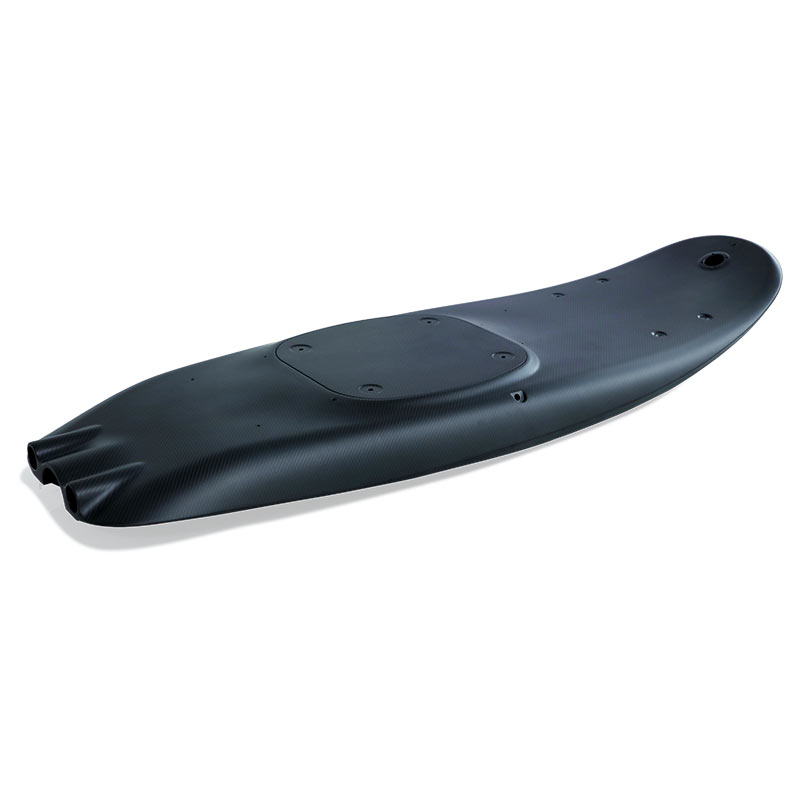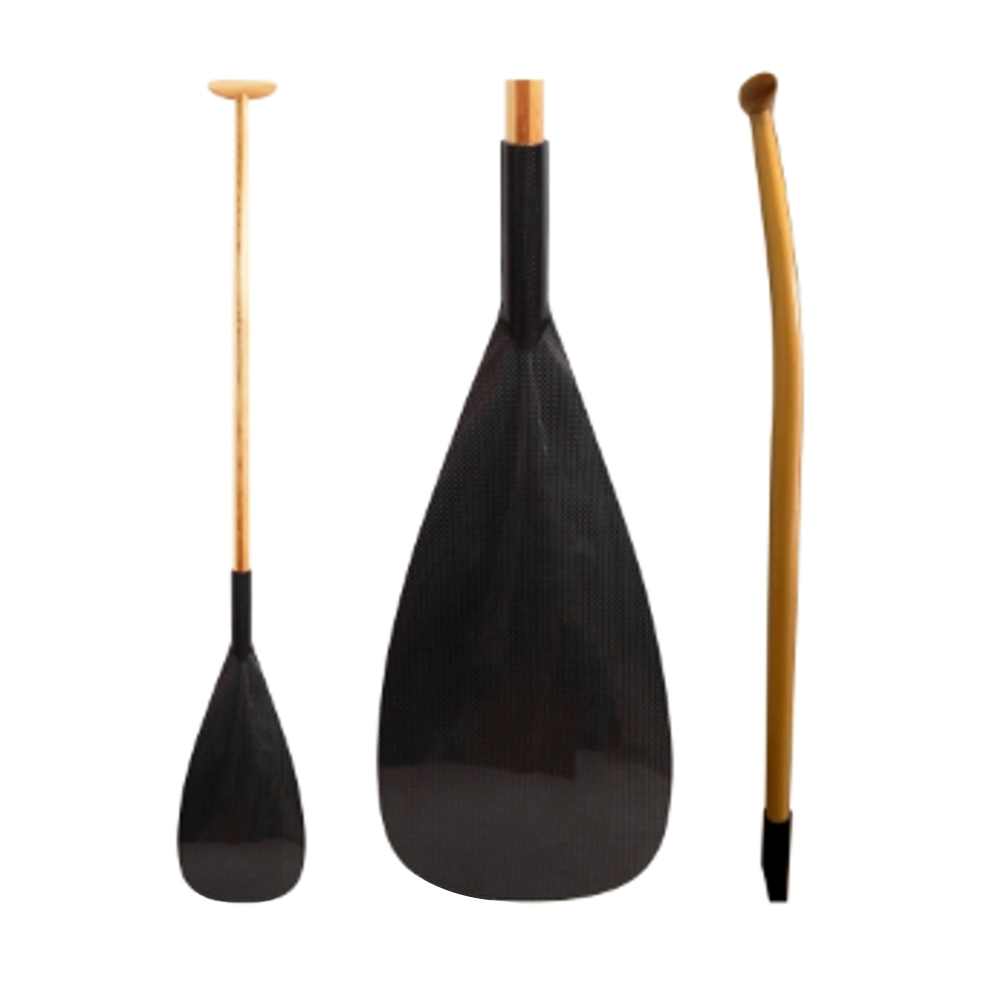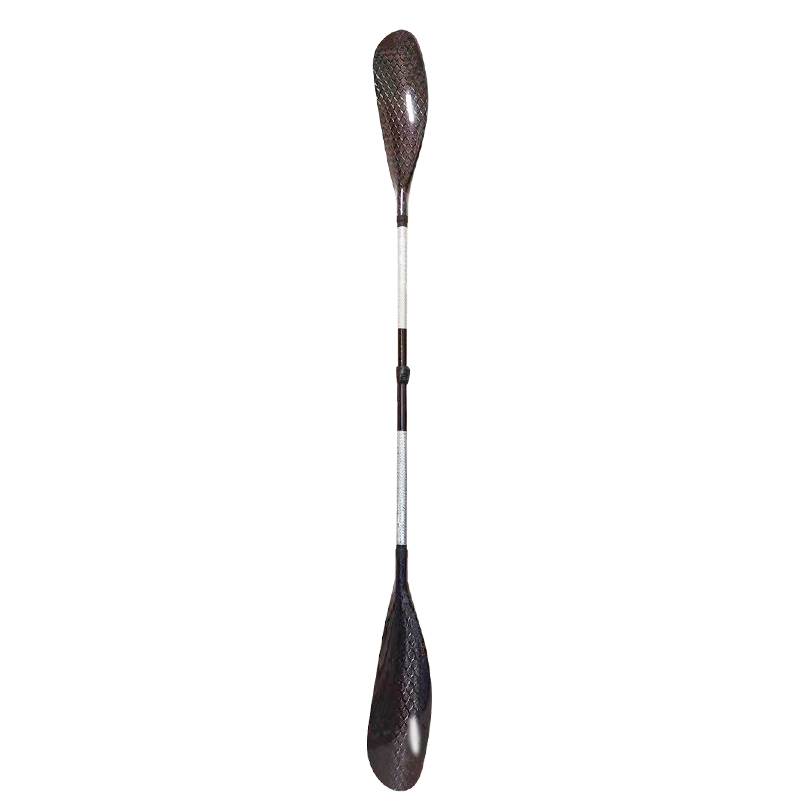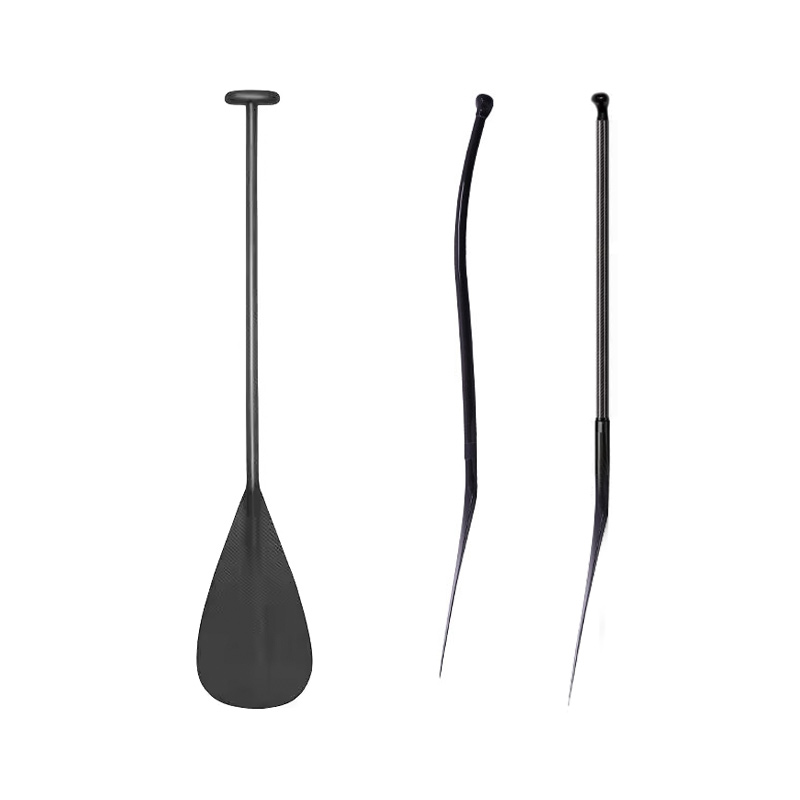
A SUP pivot turn works by stepping toward the tail until the bow lifts, shortening the board’s wetted length, then using a sweep or reverse sweep to rotate around the weighted stern. The turn begins before the step: choose the direction, create stable glide, place the paddle on or in the water, and know where you will step forward again. The exit stroke is part of the maneuver, not an afterthought.
One complete sequence
Look and plan → paddle for balance → move into surf stance → weight the tail → sweep through the turn → step forward before the board stalls → accelerate on the new line.
Start on calm water with a board you can remount, a correctly fitted PFD or buoyancy aid, clothing for immersion and a capable partner or instructor. Expect to fall while learning, but do not make falling the only practice plan.
Why Stepping Back Makes a Long Board Turn Quickly
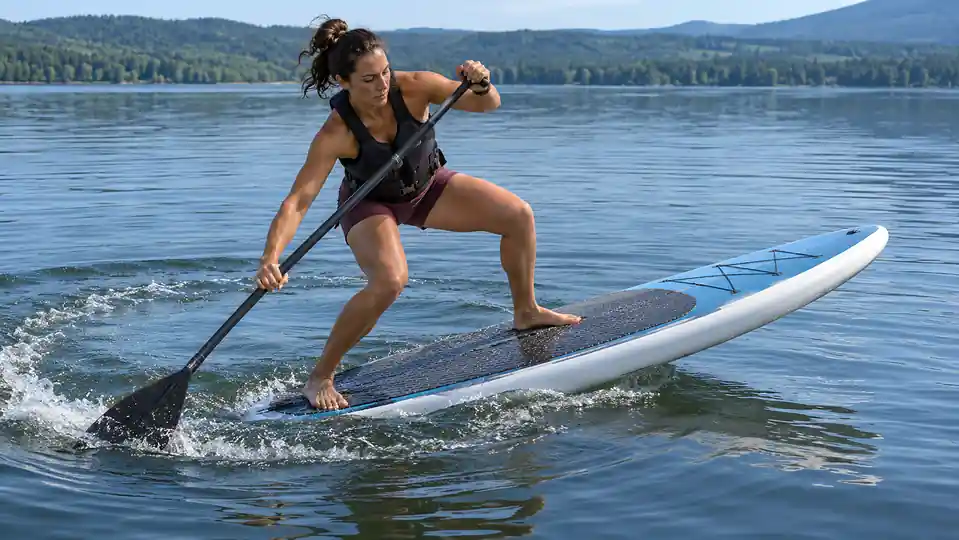
A board lying flat has a long section of hull in the water. That wetted length resists rapid rotation. Moving your weight aft sinks the tail and raises the nose, reducing how much board must sweep sideways through the water. The sweep stroke can then rotate the board around a pivot closer to the tail. This is the mechanical advantage behind the SUP pivot turn; simply stepping backward without releasing the nose does not create it.
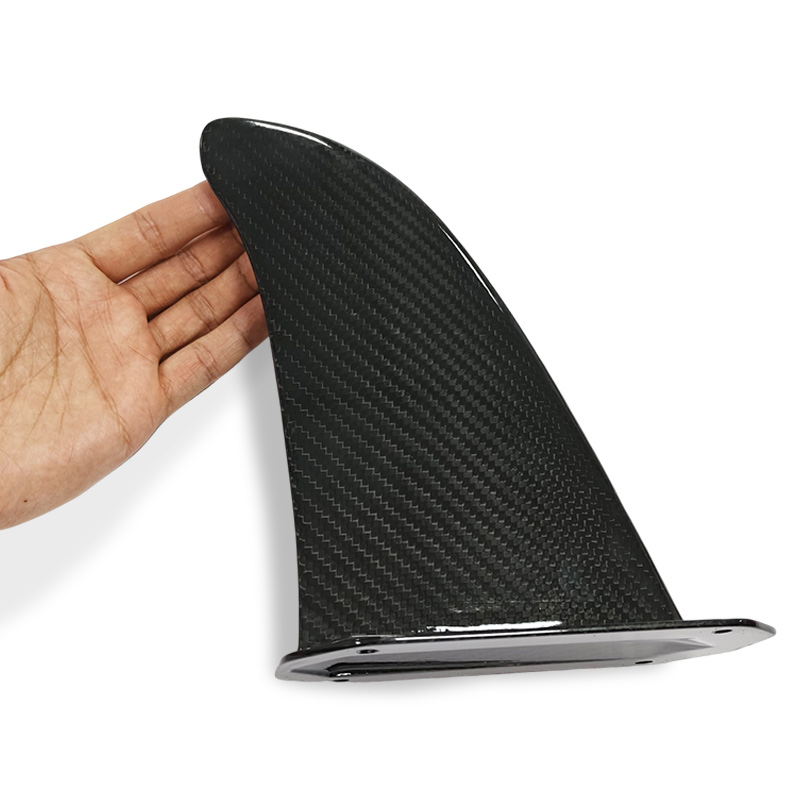
The fin still matters. It resists sideways slip and helps the weighted tail act as a turning reference. If the back foot lands heavily on one rail instead of near the centerline, the tail can bury unevenly and the board may shoot sideways rather than rotate cleanly.
The American Canoe Association’s Level 2 SUP curriculum treats board trim, bracing, a stationary weighted-tail pivot and a moving pivot as connected skills. That progression is more useful than trying to copy a fast racing turn before you can move your feet while maintaining paddle support.
Before the SUP Pivot Turn, Build Three Prerequisites
The American Canoe Association Level 2 SUP curriculum places board trim, bracing, a stationary pivot and a moving weighted-tail pivot within the same skill progression. That supports a staged approach: learn foot movement and blade support before demanding a fast 180° turn.
Move your feet without staring down
Practice a small staggered stance near the carry handle. Keep your head over the board and move one foot at a time while the knees remain soft. Looking at your feet moves the head and shoulders away from the balance line.
Use the paddle as active support
Keep the blade touching the water as you move. It can skim the surface, take a light forward stroke or make a small brace. Lifting the paddle to waist or shoulder height removes the most useful external point of contact at the moment the board becomes less stable.
Control a wide sweep stroke
Reach toward the nose and move the blade in a wide arc away from the rail. A short stroke beside your feet applies less turning leverage. Review the wider family of turning and support strokes in our SUP paddling technique guide.
Seven Steps From Approach to Exit
1. Pick the exit line before moving your feet
Check for paddlers, swimmers, docks, shallow objects and traffic. Decide how far you need to rotate and which side will receive the main turning stroke. A 90° correction does not require the same tail sink as a tight 180° buoy turn.
2. Enter with controlled glide
Use two or three balanced strokes. Gentle forward movement stabilizes the board and gives you time to move; excessive speed makes the turn harder to time and increases the consequence of a fall.
3. Put the blade on the water, then step
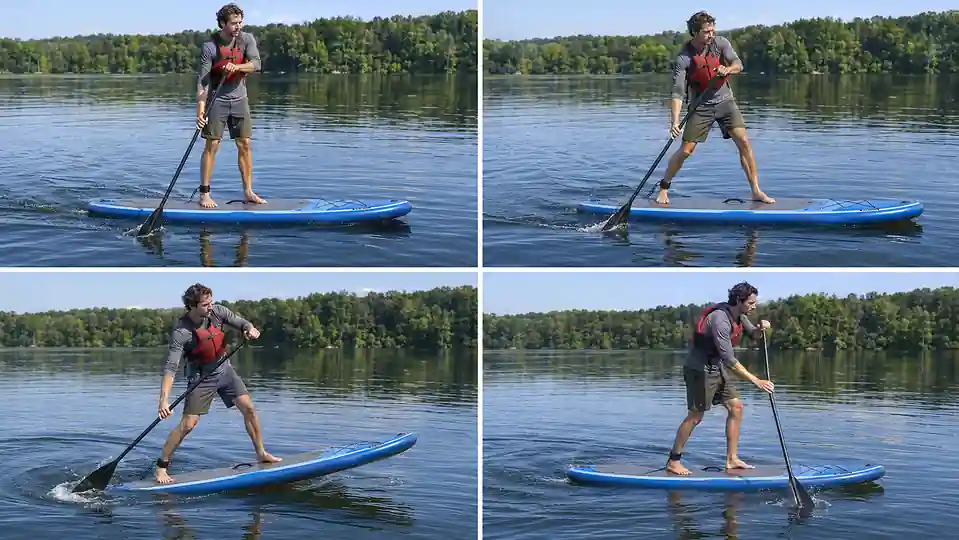
Place the blade on your support side before the first backward movement. Slide the rear foot toward the tail along the centerline. Pivot the forward foot so the stance opens toward the rail. Avoid one hesitant half-step that leaves both feet narrow and your hips twisted.
4. Bend both knees and weight the tail progressively
Shift pressure toward the rear foot until the nose visibly lightens. You do not need to point the bow at the sky. Raise only enough waterline to achieve the required turn while keeping a recoverable stance.
5. Sweep the board around
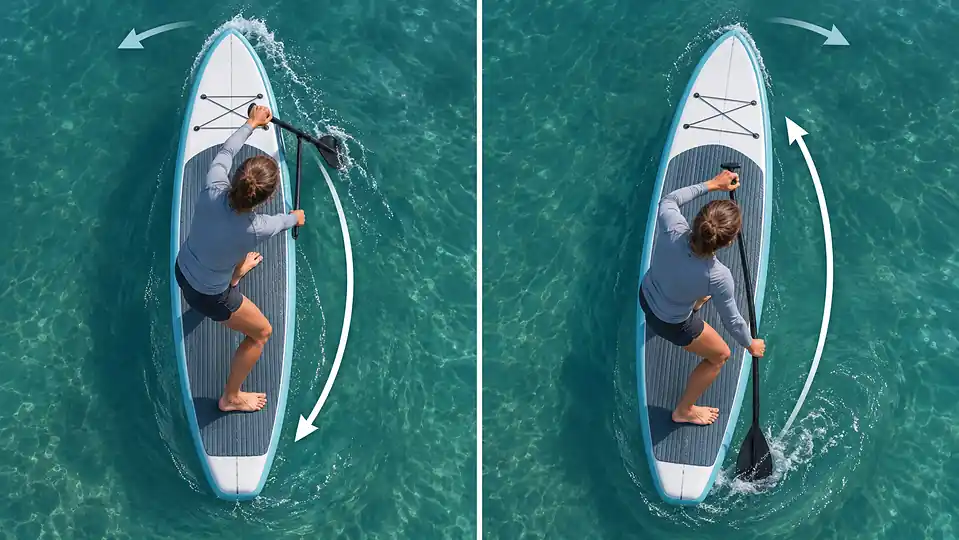
Use a forward sweep on the outside of the intended turn or a reverse sweep on the inside, depending on the approach and space. Keep the blade moving rather than leaning on a stalled shaft. Turn your head toward the exit so the torso rotation supports the stroke.
6. Begin the step forward before rotation dies
As the nose crosses the intended line, reduce tail pressure and move toward the handle. Waiting until the board has completely stopped leaves you balancing on a deeply sunk tail with no stabilizing momentum.
7. Finish with two purposeful strokes
Return to a centered stance and accelerate on the new heading. The first exit stroke stabilizes the transition; the second confirms the line. In a race, surf zone or windy turn, this recovery can matter as much as the rotation.
Choose the Stroke Side Before the Board Pivots
| Stroke choice | Board turns | Useful when | Main tradeoff |
|---|---|---|---|
| Forward sweep on right | Left | You want to preserve some forward flow | Needs reach and a wide low arc |
| Forward sweep on left | Right | Outside stroke is clear of an obstacle or buoy | Paddle may be farther from the turn center |
| Reverse sweep on right | Right | You need braking and rotation on the same side | Deceleration can pitch the rider forward |
| Reverse sweep on left | Left | Inside space is available and speed must drop | Requires soft knees and controlled recovery |
Practice all four relationships slowly. The goal is not to memorize a diagram under pressure; it is to know which blade placement will rotate the board while leaving clearance from the buoy, shoreline or another paddler.
Find the Tail Sweet Spot for Your Board
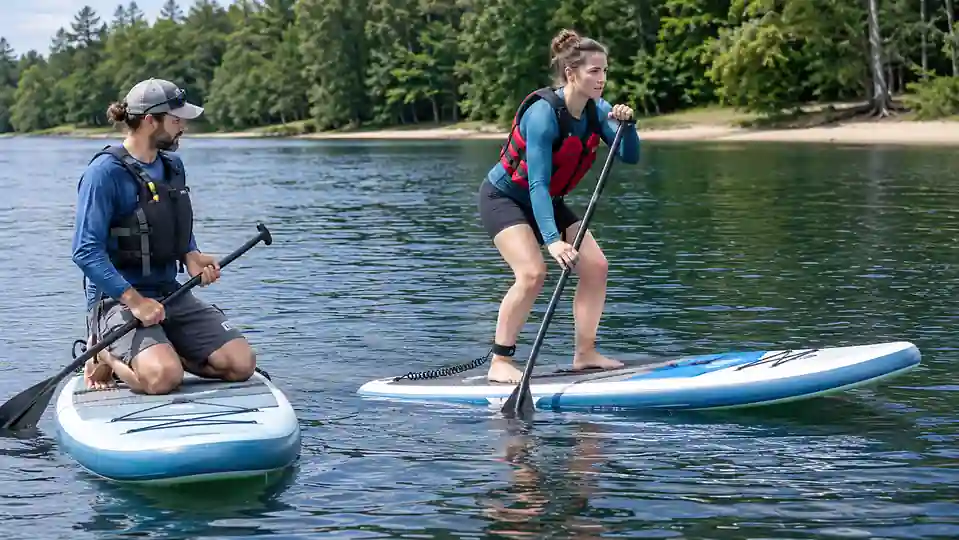
The correct foot position is not a universal distance from the handle. It is the point where enough nose releases for the required turn while the rider can still control rail-to-rail balance. The NRS SUP pivot turn tutorial calls this the sweet spot and recommends first exploring it with a lower center of gravity.
| Board type | What you may feel | Adjustment |
|---|---|---|
| Wide all-round board | Forgiving rail stability; tail may need a deliberate step | Learn the stationary tail sink before adding speed |
| Long touring/race board | More walking distance and momentum; narrow tail feels lively | Use smaller progressive steps and earlier exit timing |
| Short surf-style SUP | Nose releases with less travel | Use less tail sink; avoid over-rotating |
| Inflatable SUP | Tail shape and flex may make the response softer | Inflate to the manufacturer’s specified pressure and build the turn gradually |
| Board carrying gear | Load changes trim and movement space | Do not use the loaded trip setup as the first learning platform |
Our guide to SUP board types explains why outline, width and use case change handling. Do not judge your technique by how far another board’s nose rises.
Use a Five-Session Progression Instead of One Big Commitment
- Session one—paddle support: hold the board flat and move each foot a few centimeters while the blade stays on the surface.
- Session two—tail trim: enter surf stance, lighten the nose, then step forward without turning.
- Session three—stationary quarter turns: add one wide sweep and recover to the center after 45–90°.
- Session four—full 180° turns: link one or two strokes to the forward recovery and two exit strokes.
- Session five—moving turns: add moderate glide, both directions and a clear imaginary buoy.
Train the weaker direction separately. Ten rushed falls teach less than three clean repetitions in which you can name the cause of every wobble. The SUP pivot turn becomes useful when both the turn and the recovery can be repeated on demand, not when one high-nose attempt happens to work.
Diagnose the Fall From What Happened Just Before It
| Result | Likely cause | Next correction |
|---|---|---|
| You fall while stepping | Eyes dropped, paddle left the water or stance became too narrow | Return to small steps with blade contact and eyes forward |
| Nose never lifts | Weight remains between the feet or the rear foot stopped too early | Practice tail trim without turning and note the board’s sweet spot |
| Board rotates slowly | Too much waterline remains or the sweep is short | Change only tail pressure or sweep width, not both in one repetition |
| Tail slides sideways | Back foot loaded a rail or the fin lost clean flow | Land the foot closer to the centerline and reduce the step force |
| Turn succeeds, then you fall backward | You stayed on the tail after momentum ended | Begin moving forward as the nose reaches the exit line |
| Shoulders or arms tire first | Paddle is too long for the low stance, grip is tense or blade load is excessive | Review SUP paddle length and use a relaxed, supported stroke |
Practice Safety Depends on the Water, Not Just the Move
Use calm, open water with adequate depth and no submerged objects, traffic, docks or people inside the fall zone. Wear a suitable PFD or buoyancy aid, dress for water temperature and carry the locally required communication and signaling equipment. Learn a controlled fall and board remount before repeatedly sinking the tail.
Leash choice is environment-specific. Paddle UK’s current leash guidance advises ankle or calf leashes only where snag and entrapment risk is absent, and a correctly fitted quick-release waist system for many moving or tidal waters. Its separate whitewater safety alert recommends no leash in whitewater under current BCAB guidance. Local rules, qualified instruction and the exact environment take priority over a generic equipment list.
The RNLI SUP safety guidance also emphasizes an appropriate leash, buoyancy aid, communication method and avoiding offshore winds. Apply those session-level checks before treating a calm-looking training area as safe.
Review the relevant items in our SUP accessories guide, but do not treat possession of safety equipment as a substitute for knowing how and when to use it.
Paddle Setup Should Support the Move, Not Dominate It
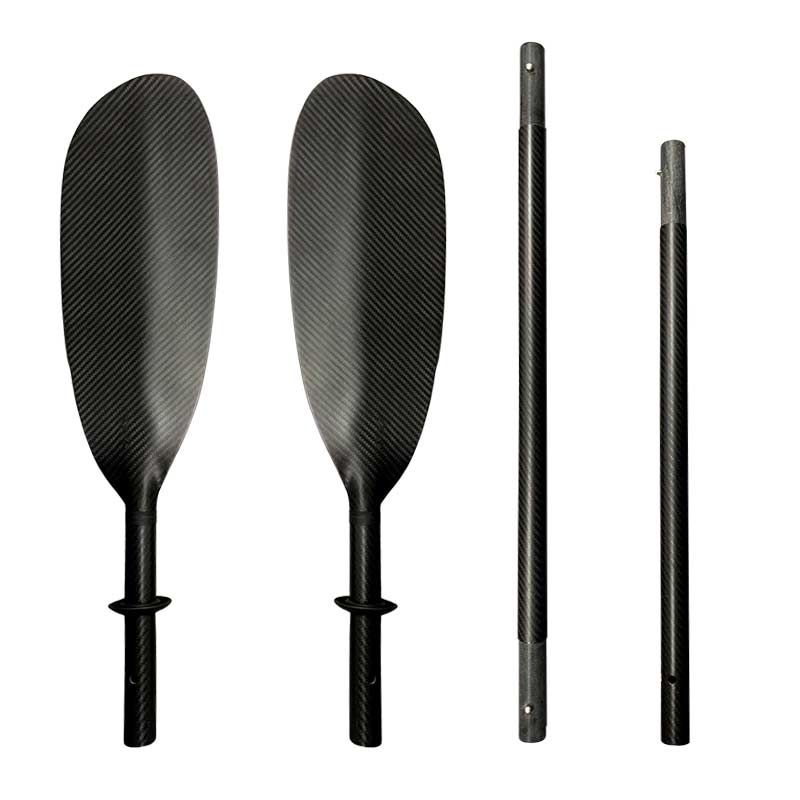
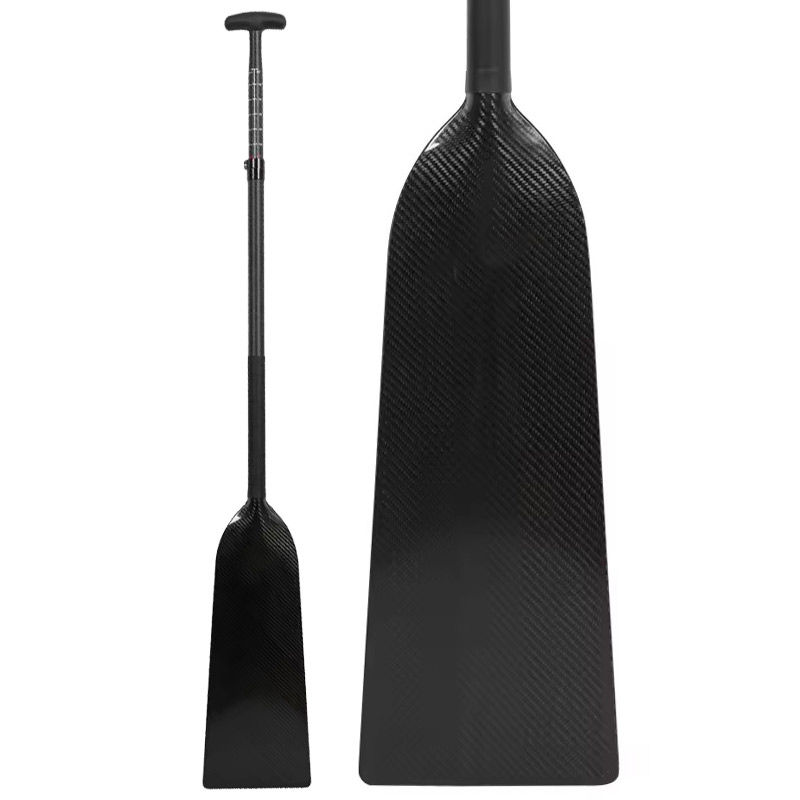
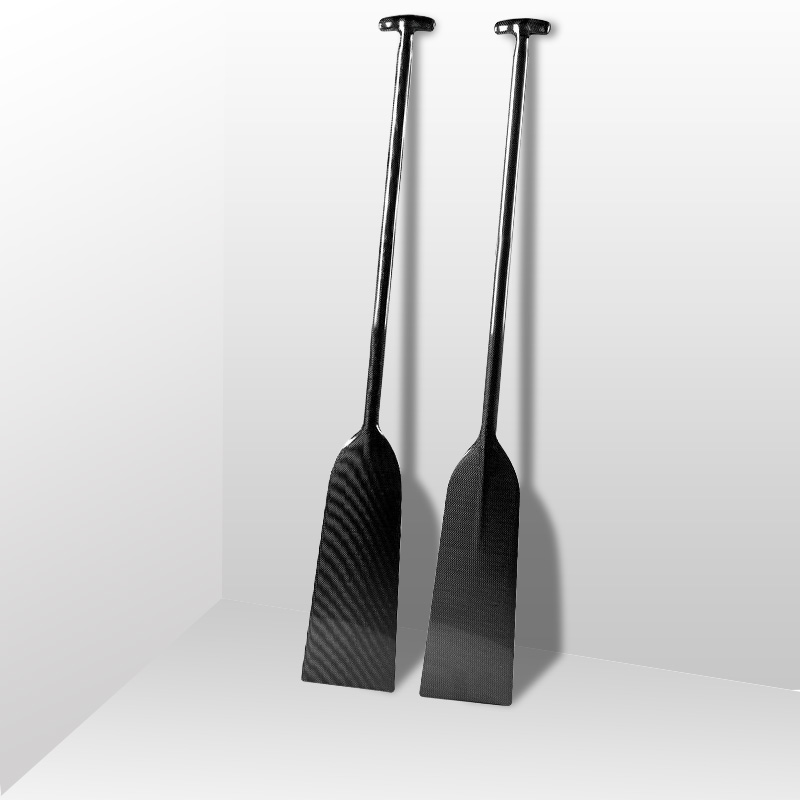
A slightly shorter adjustable setup may feel easier in the low surf stance, but changing length repeatedly can disrupt normal forward mechanics. Select a range that supports the whole session. Our SUP paddle grip guide covers basic orientation.
A larger blade can produce an immediate sweep and brace, but it also increases load. Compare the tradeoffs in the paddle blade size guide and shaft flex guide. A powerful paddle does not correct foot placement or late forward recovery.
Common Questions About the Turn
Is a step-back turn the same as a pivot turn?
Usually, yes. SUP riders also use “buoy turn” or “kick turn.” All describe moving aft to weight the tail, release the nose and rotate the board with paddle strokes.
How far should I step back?
Far enough to release the amount of nose needed for the turn, but not farther than you can recover. Board length, tail width, rocker, rider mass, gear and speed all change the position.
Should the paddle stay in the water?
Keep the blade on or in the water through the foot movement and turn. It can skim, brace or take a stroke. Removing it while the board is tail-weighted discards useful support.
Which direction does the SUP turn?
A forward sweep turns the board away from the paddle side; a reverse sweep turns it toward the paddle side while reducing more speed. Practice both directions before using the move near a buoy or other paddler.
Can I learn on an inflatable board?
Yes, if it is inflated to the manufacturer’s pressure and used in suitable conditions. Its tail shape, thickness and flex may produce a softer response, so find its trim point instead of copying a hard race board.
A Fast Turn Is Really a Clean Transition
The best SUP pivot turn is not the one with the highest bow. It is the one that matches the board and required direction, keeps paddle support through the step, rotates without burying a rail and exits before the board stalls. Learn the trim first, add the sweep second and make the forward recovery part of every SUP pivot turn repetition.
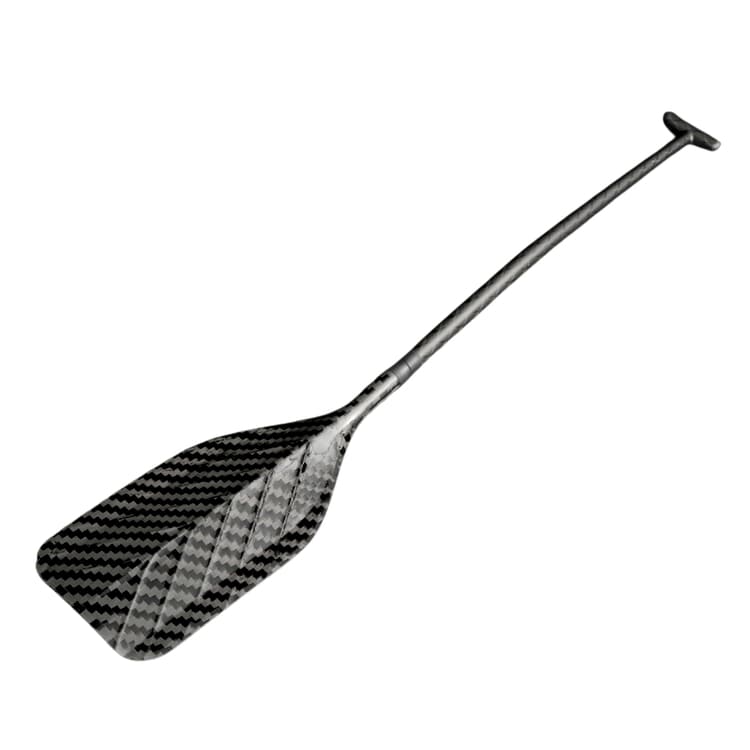
When you are ready to refine the equipment side, explore Unitysurf’s paddle range—then validate any change in the same conditions rather than replacing technique with specifications.
Safety scope: This article cannot assess your waterway, weather, swimming ability, equipment or local rules. Learn with a qualified instructor or capable partner, wear environment-appropriate safety equipment, and stop when wind, current, cold or fatigue exceeds your control.