Quick answer: there is no single best kayak paddle feather angle for every paddler. Start at 0° (unfeathered) if you are learning or want symmetrical blade behavior. Test 15°–30° if your stroke naturally rotates the shaft or you paddle into wind. Use 45°–60° only when your high-angle technique, racing background or sustained headwind makes the larger offset feel natural. The correct setting keeps both wrists close to neutral, places each blade squarely at the catch and remains predictable during braces, draws and rolls.
What Is a Kayak Paddle Feather Angle?
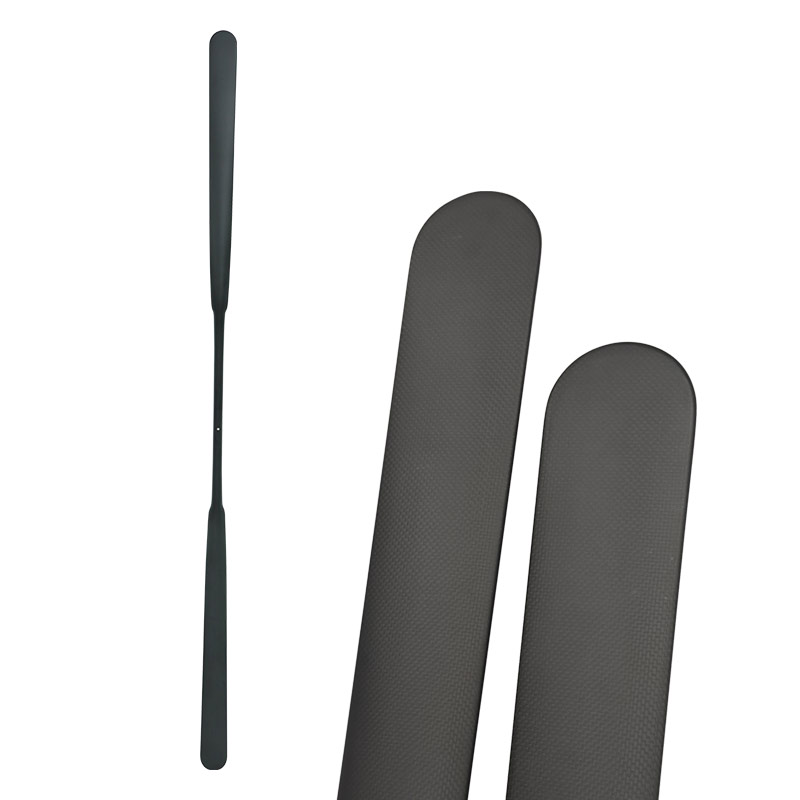
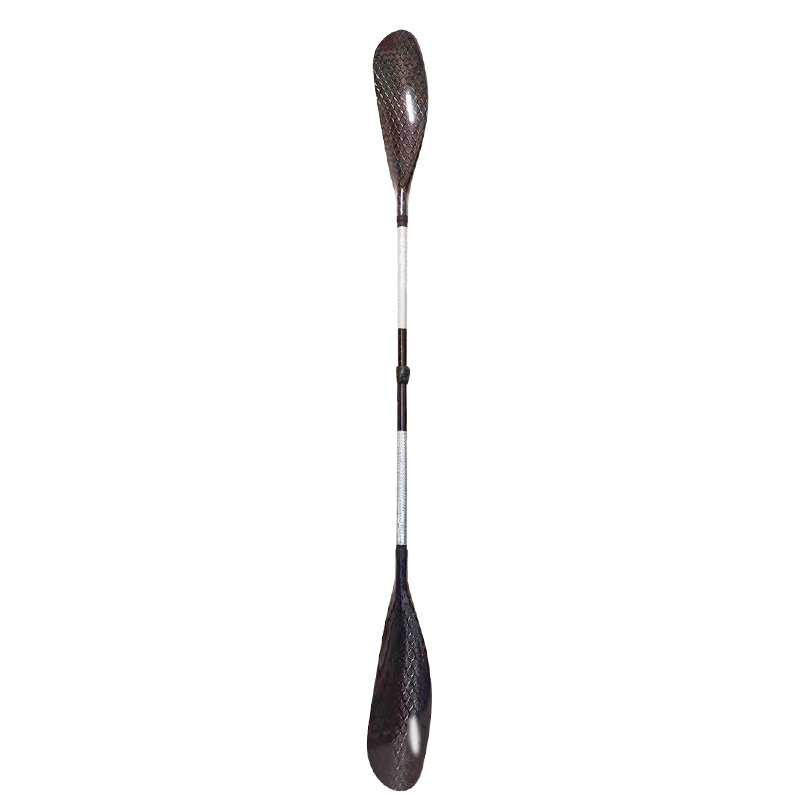
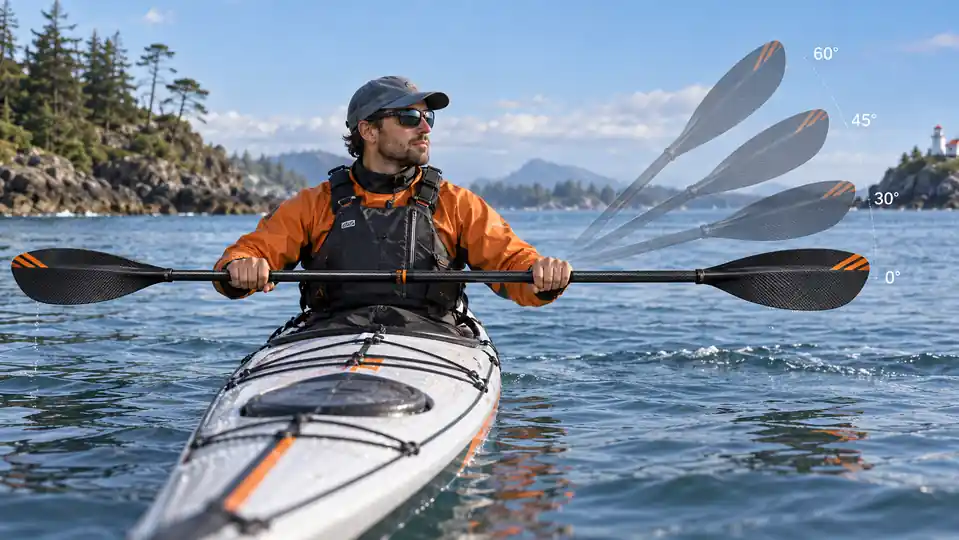
A Kayak Paddle Feather Angle is the rotational offset between its two blades. At 0°, both blade faces are aligned in the same plane; this is called matched or unfeathered. At 30°, 45° or 60°, one blade is rotated around the shaft relative to the other; this is called feathered or offset.
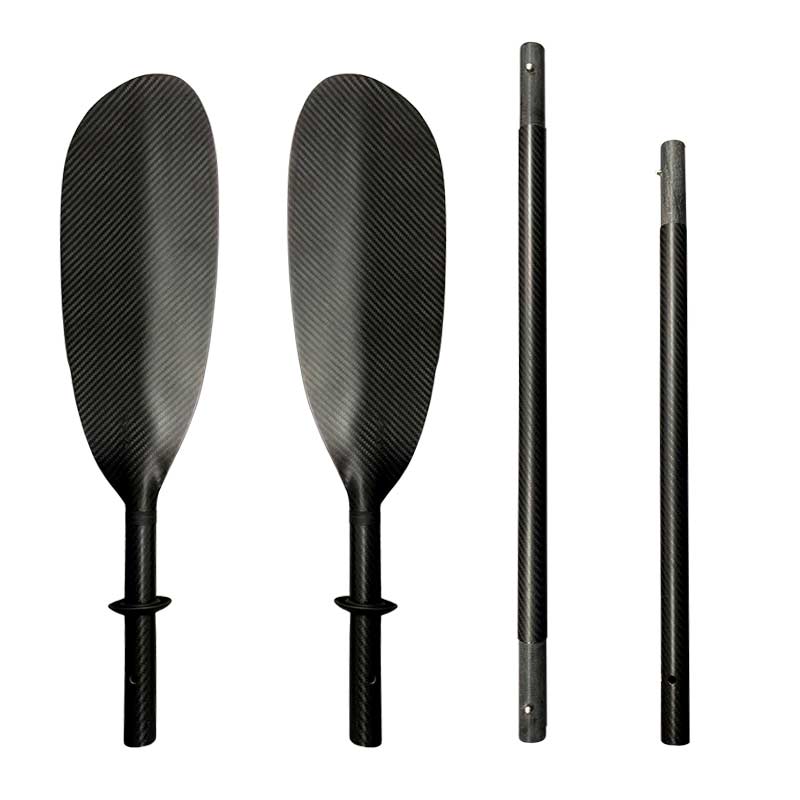
The angle is normally set at the ferrule—the joint where a two-piece paddle connects. A simple snap-button may offer only 0° and one left/right offset. An indexed ferrule may provide 15° steps. A clamp-style ferrule can allow finer angle and sometimes length adjustment.
Feather angle is not the same as stroke angle. Stroke angle describes how high or low the shaft travels relative to the water while you paddle. The two are related because a more vertical, high-angle stroke usually rotates the shaft more between catches than a relaxed low-angle touring stroke.
Kayak Paddle Feather Angle Comparison
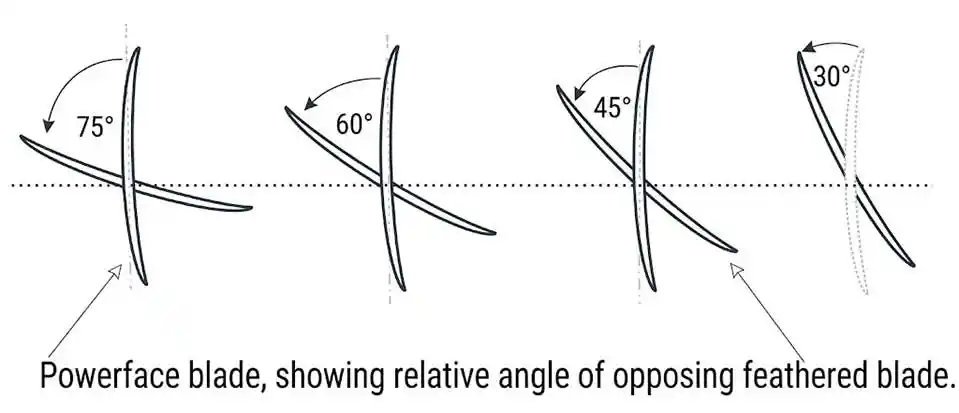
| Angle | Typical starting use | Potential advantage | Main trade-off |
|---|---|---|---|
| 0° | Beginners, recreational paddling, symmetrical skills | Simple blade awareness; no fixed control hand required | Recovery blade can present more area to a headwind |
| 15° | Low-angle touring or first feather experiment | Small transition from matched blades | Wind benefit may be subtle |
| 30° | Touring, packrafting, many modern whitewater setups | Useful compromise between wind and wrist rotation | Requires consistent blade indexing |
| 45° | Stronger high-angle stroke or exposed touring | Recovery blade can slice more cleanly into headwind | Technique errors become more noticeable |
| 60° | Some racing, traditional touring preferences, fixed ferrules | Low recovery-blade windage when correctly controlled | Larger rotation; can feel awkward in mixed strokes |
These are useful test points, not rules. Blade shape, paddle length, shaft indexing, boat width, torso rotation and the paddler’s mobility all change how the same numerical angle feels.
Feathered vs Unfeathered Kayak Paddles
Why choose an unfeathered paddle?
At 0°, both blades share the same orientation. Many beginners find it easier to understand where the next blade is without deliberately rotating a control hand. The setting is also symmetrical: either hand can index the shaft, and switching sides during braces, draws or rolls can feel straightforward.
An unfeathered paddle is not automatically “wrong in wind.” A relaxed grip, good torso rotation and appropriate blade size may matter more than a small aerodynamic difference. It is a strong baseline because any improvement or discomfort after changing angle becomes easier to detect.
Why choose a feathered paddle?
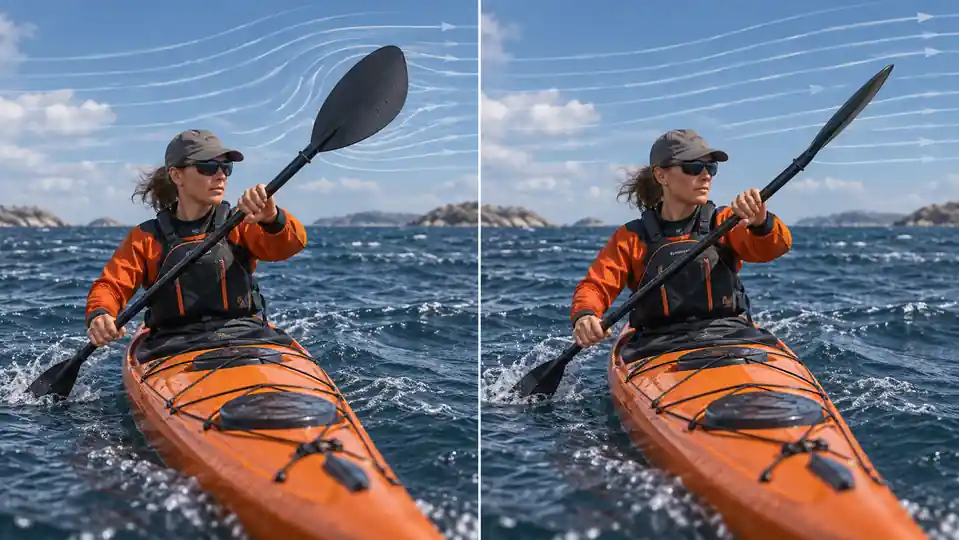
When one blade is in the water, the opposite blade is recovering through the air. Feathering can orient that recovery blade closer to edge-on in a headwind, reducing the area presented to the wind. It can also match the natural shaft rotation of a high-angle stroke, allowing the control-side wrist to remain straighter—if technique and angle agree.
Aqua Bound’s feathering guide emphasizes that the choice is personal and recommends experimenting. REI likewise defines matched and feathered blades and notes that many adjustable shafts use 15° increments in its kayak paddle selection guide.
How Wind Direction Changes the Decision
- Headwind: a feathered recovery blade may present less frontal area and feel steadier.
- Tailwind: reducing blade area is less valuable; some paddlers prefer matched blades for simple control.
- Crosswind: the exposed blade can be pushed unpredictably. Test both directions because right and left recovery may not feel identical.
- Gusty conditions: predictable control can matter more than minimum drag. A smaller offset may be easier to manage.
West Marine’s paddle selection guide explains the basic trade-off: feathering can reduce wind resistance on the airborne blade, while the paddler must correctly index the next blade. Do not choose a large angle from wind theory alone—test it while maintaining normal posture and cadence.
Right-Hand Control vs Left-Hand Control
A feathered paddle must also specify direction. “Right-hand control” means the right hand keeps a consistent index on the shaft and rotates it to present the left blade. “Left-hand control” reverses that relationship. The label describes which hand controls blade orientation; it does not mean that right-handed people must choose right-hand control.
With a loose grip, the shaft should rotate within the non-control hand instead of forcing both wrists to bend. Adjustable paddles often support both left and right feather. Check the ferrule markings from the paddling position, because a setting viewed from the opposite end can appear reversed.
How Stroke Style Affects the Best Kayak Paddle Angle
Low-angle touring stroke
A long, relaxed touring stroke keeps the shaft lower. The natural rotation between catches is often modest, so 0°–30° is a practical test range. A long paddle with narrow blades can already keep recovery windage manageable; a large feather may add more hand rotation than the stroke needs.
High-angle performance stroke
A high-angle stroke holds the shaft more vertically and places the blade close to the hull. Because the shaft rotates further from one catch to the next, some paddlers find 30°–60° aligns the blade without cocking the control wrist. This is not universal: the correct angle is the one that produces square catches with neutral wrists at your real cadence.
Whitewater, surf and technical strokes
Whitewater and surf paddlers frequently brace, draw, roll and switch sides quickly. Many favor a moderate offset or 0° for predictable bilateral blade access, while others have years of technique built around 30°–45°. Test recovery and safety strokes, not just straight-line speed.
Racing and fitness paddling
Higher cadence, wing blades and a vertical stroke may support a larger offset, but the setup is technique-specific. If you use a wing blade, first review how its catch and outward path differ in Unity Sports’ kayak wing paddle guide.
How to Find Your Best Feather Angle: A Simple Test
Use the same boat, paddle length, blade, route and approximate effort. Change only the feather angle.
- Start at 0° on land. Hold the shaft with a relaxed grip. Practice alternating catches and note whether each blade arrives square without wrist correction.
- Paddle 5–10 minutes at easy effort. Include forward strokes, reverse strokes, sweep strokes and braces on both sides.
- Record a baseline. Note wrist/forearm comfort, blade-entry accuracy, flutter, recovery wind pressure and confidence in support strokes.
- Increase by 15°. Choose right- or left-hand control, repeat the same route and keep cadence similar.
- Test 30° before jumping higher. For many paddlers, the most useful comparison is 0° versus 15° versus 30°.
- Only test 45° or 60° if the lower setting still feels under-rotated. Stop increasing when you must bend the wrist or consciously hunt for the next blade.
- Retest in moderate wind. A calm-water favorite may behave differently in headwind or crosswind.
- Confirm after a longer session. A setting that feels fast for five minutes may become tiring after an hour.
Safety: test close to shore in conditions within your skill level, wear an appropriate PFD and do not use a new setup for a remote or high-consequence trip before you are comfortable with braces and recovery.
Keep the Wrist Neutral—Do Not Force the Angle
Feathering should not require a tight fist or repeated extreme wrist extension. Hold the shaft lightly, let the non-control hand allow rotation and use torso movement rather than pulling mainly with the arms. If an angle causes pain, numbness or persistent tingling, stop and reassess technique and equipment; seek advice from a qualified instructor or healthcare professional when appropriate.
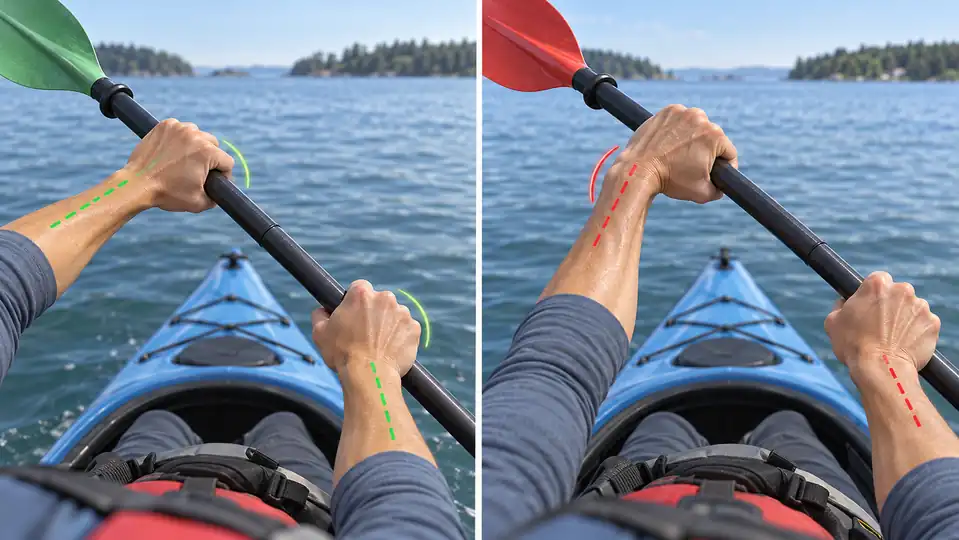
Paddling Magazine’s discussion of feathered versus unfeathered paddles connects the choice to stroke style and paddle length rather than treating one angle as universally correct. This is the most useful principle: angle must fit the whole system.
Ferrule Types and Why They Matter
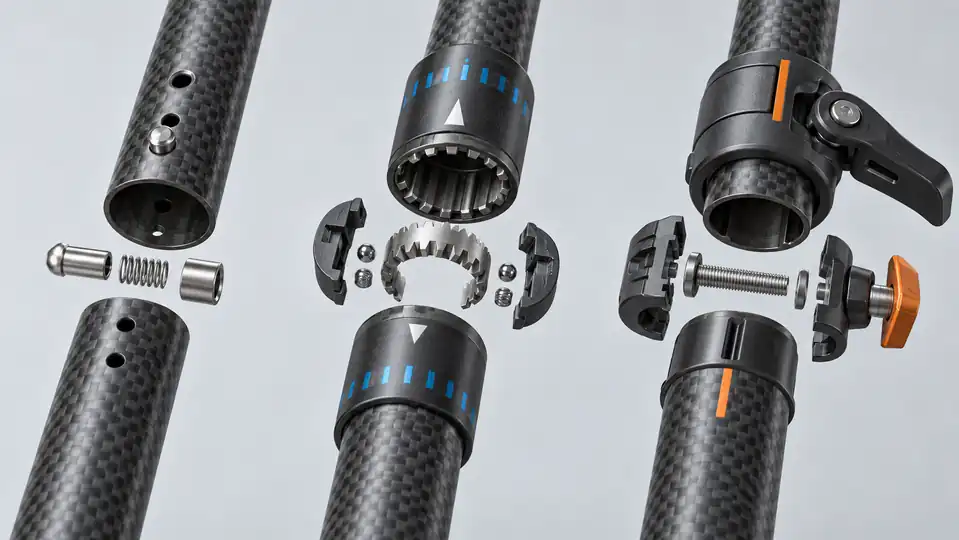
| Ferrule type | Angle choice | Strengths | Check before buying |
|---|---|---|---|
| Fixed one-piece | One factory-set angle | Simple, light, no center joint | Correct hand control and angle; transport length |
| Snap-button | Usually a few drilled positions | Low cost, visible lock, easy service | Hole wear, button engagement, shaft play |
| Indexed multi-angle | Commonly fixed increments | Repeatable settings and clear indexing | Sand tolerance, markings, torsional play |
| Continuous clamp | Fine or near-continuous adjustment | Angle tuning; may also adjust length | Clamp security, slip, corrosion, maintenance |
A quality joint should lock positively, resist twist and bending play, remain understandable with wet or cold hands, and release for transport after exposure to sand or salt. Rinse and dry the joint according to the manufacturer’s instructions; forcing a contaminated ferrule can damage close-fitting surfaces.
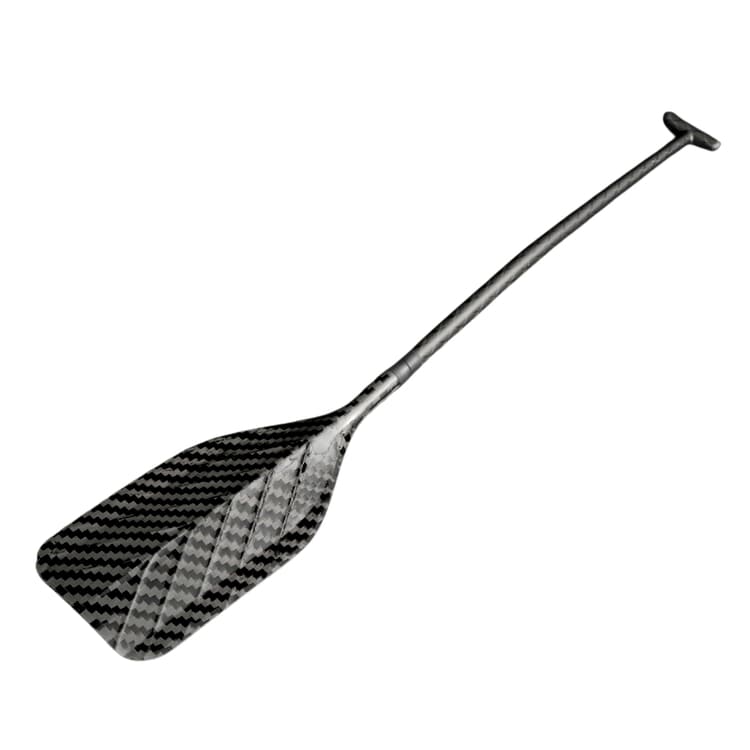
See the kayak paddle parts guide for blade, shaft, grip and ferrule terminology. Unity Sports also offers an adjustable-angle kayak paddle with matched and left/right offset positions.
OEM Design Checklist for an Adjustable Kayak Paddle
For brands and distributors, “adjustable feather” should be a measurable product requirement, not only a catalog phrase. Specify and approve:
- available angles and tolerance at every indexed position;
- right/left direction and markings visible from the cockpit;
- axial and torsional play when new and after adjustment cycles;
- locking confirmation by click, mark, button or clamp position;
- load and slip test in shortest and longest configurations;
- operation with wet hands and reasonable sand/salt contamination;
- materials, corrosion isolation and rinse/maintenance instructions;
- shaft alignment, blade-angle consistency and length accuracy;
- replaceable parts and warranty handling;
- packaging that prevents the ferrule or carbon shaft from impact damage.
Unity Sports has manufactured composite water-sports products since 2012. Its kayak paddle manufacturing page covers high-angle, low-angle, touring and custom options. Product claims and tolerances for any OEM program should still be confirmed in the approved specification, sample and test plan.
Common Kayak Paddle Feather Angle Problems and Fixes
| Problem | Likely cause | What to try |
|---|---|---|
| Next blade enters sliced or open | Angle does not match shaft rotation | Reduce offset by 15° and check control-hand indexing |
| Control wrist bends backward | Too much offset, tight grip or weak torso rotation | Lower the angle, loosen grip and seek technique feedback |
| Recovery blade catches gusts | Broadside blade or oversized blade | Test a small feather and review blade size |
| Braces feel different left vs right | Strong fixed control-hand habit | Practice both sides at low consequence; consider less offset |
| Ferrule clicks but paddle twists | Wear, contamination or poor fit | Clean and inspect; stop use if the lock is not secure |
| Setting changes during use | Clamp not secured or mechanism worn | Follow adjustment procedure; service or replace the joint |
Frequently Asked Questions
What is the best kayak paddle feather angle for beginners?
Start at 0°. It creates a clear, symmetrical baseline and reduces the number of variables while learning. After your forward stroke and braces are consistent, test 15° and 30° to see whether either better matches your natural shaft rotation.
Is 30° a good kayak paddle angle?
Thirty degrees is a useful middle setting for many touring, packrafting and whitewater paddlers because it offers some recovery-blade alignment without the larger rotation of 45° or 60°. It is not automatically best; compare it with 0° using the same route and effort.
Why are some kayak paddles set at 60°?
Sixty degrees was common on many fixed or simple snap-button paddles and can suit a strong high-angle technique or sustained headwind. It demands consistent control-hand indexing and may feel excessive for a low-angle recreational stroke.
Does a feathered paddle prevent wrist pain?
Not necessarily. The right offset can match a paddler’s natural shaft rotation, but the wrong angle, tight grip or poor technique can increase wrist motion. Feathering is an equipment adjustment, not a treatment or guarantee.
What is the difference between right- and left-hand feather?
The difference is the blade-offset direction and which hand maintains the primary index on the shaft. Choose the direction that lets the control wrist stay neutral and the opposite hand allow smooth shaft rotation.
Can I change feather angle while kayaking?
Some ferrules are designed for quick adjustment, but change settings only when you can keep control of the boat and confirm the joint has fully locked. For a new mechanism, practice on shore first.
Final Recommendation
Use 0° as your baseline, then test upward in 15° steps. Keep the smallest angle that gives clean catches, neutral wrists, low recovery windage and confident support strokes in your real conditions. The number engraved on the ferrule is less important than repeatable technique and a joint that locks securely.
For custom blade, shaft, ferrule, length, material, graphics or private-label requirements, review Unity Sports’ paddle manufacturing capabilities or contact the team with your target market and specification.
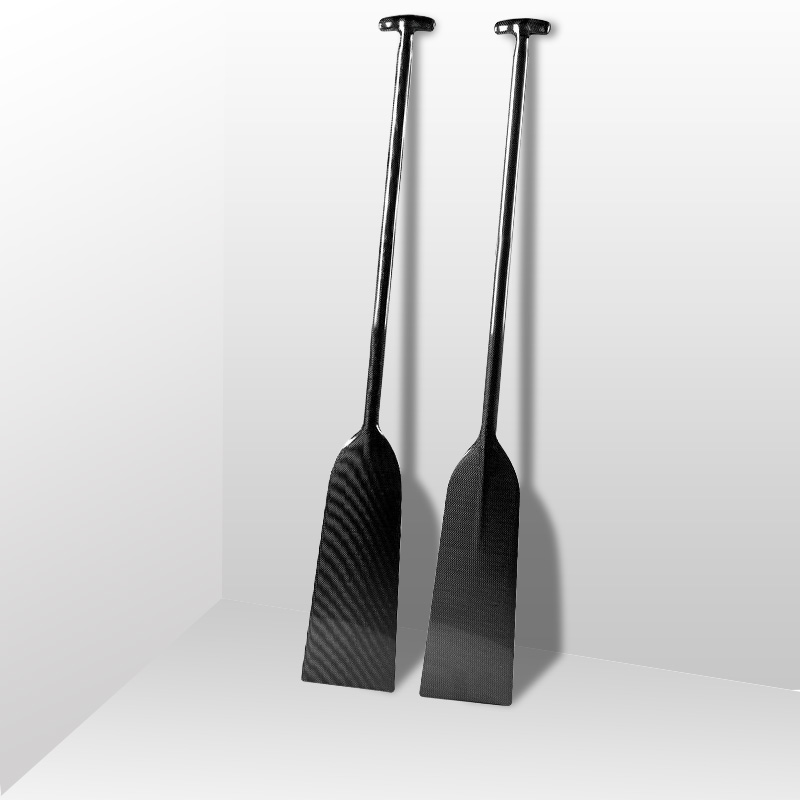
Editorial note: The images in this guide are technical illustrations. Paddling comfort and technique are individual; test equipment in controlled conditions and obtain qualified instruction for advanced environments.