Hydrofoiling has long been a source of fascination, from its mechanics to the unique sensation it offers. Among its challenges, prone foiling stands out, particularly the art of seamlessly linking waves—a feat considered the pinnacle of hydrofoiling mastery. Achieving this requires a combination of technique, timing, and the ability to read the waves. Here’s a closer look at the process involved in mastering the “double dip,” a smooth transition from one wave to the next.
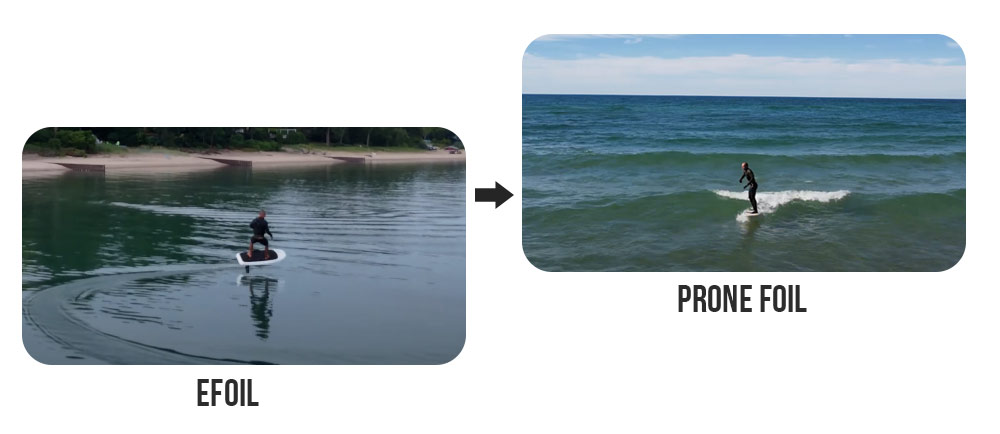
From E-Foiling to Prone Foiling
The journey begins with a hybrid approach, using a setup that combines elements of e-foiling and prone foiling. This introductory session allows beginners to experience the sensation of gliding on a foil, with the motor’s assistance gradually phased out. An important challenge here is the fall—falling off the foil can feel intimidating due to the sharp edges, making controlled movements essential. Learning to embrace the fall, rather than resist it, helps reduce the risk of injury. With this mindset, we paddle out to begin testing basic prone foiling skills.
Prone Foiling Skills
1. Paddling Technique
Effective paddling ensures you can catch waves efficiently and position yourself correctly.
How to improve:
-
- Keep your chest low on the board to minimize drag.
- Use long, strong paddle strokes to maintain speed.
- Practice positioning the board in line with the wave’s energy zone.
2. Wave Timing and Positioning
Timing and positioning are critical for catching waves and initiating a smooth takeoff.
-
- How to practice:
- Learn to spot and paddle early into waves.
- Position yourself slightly behind the wave’s peak to ensure proper lift.
- How to practice:
3. Pop-Up to Foil Stance
Transitioning smoothly from paddling to standing is essential for balance and control.
-
- Steps to refine:
- Pop up with your feet landing directly over the mast or centerline.
- Keep your weight evenly distributed to avoid over-lifting or stalling the foil.
- Steps to refine:
4. Foil Lift Control
Controlling the foil’s lift is the foundation of prone foiling.
-
- Tips for mastering:
- Shift weight slightly forward during takeoff to prevent premature lift.
- Use small, controlled weight adjustments to stabilize lift.
- Tips for mastering:
5. Pumping
Pumping generates forward momentum, allowing you to connect waves or stay in the glide zone.
-
- How to practice:
- Start with short, rhythmic movements using your legs and hips.
- Focus on smooth transitions to maintain speed without excessive energy use.
- How to practice:
6. Balance and Stability
Maintaining stability ensures consistent rides and helps you recover from mistakes.
-
- How to train:
- Keep your knees bent and your center of gravity low.
- Use your arms and core to balance minor shifts in weight.
- How to train:
7. Wave Linking
Connecting multiple waves is the hallmark of advanced prone foiling.
-
- How to succeed:
- Pump efficiently between waves to maintain speed.
- Read the wave ahead and position yourself for a smooth transition.
- How to succeed:
8. Ocean Awareness
Understanding the environment helps you anticipate changes and adjust your movements.
-
- Skills to develop:
- Read wave sets, swells, and currents.
- Position yourself to maximize wave energy and avoid hazards.
- Skills to develop:
9. Controlled Falling
Falls are inevitable, and knowing how to fall safely prevents injury.
-
- Tips for safe falls:
- Fall away from the foil and protect your head.
- Avoid overcorrecting, which can lead to awkward or dangerous positions.
- Tips for safe falls:
10. Equipment Knowledge
Using the right gear tailored to your skill level can significantly ease the learning process.
-
- Key considerations:
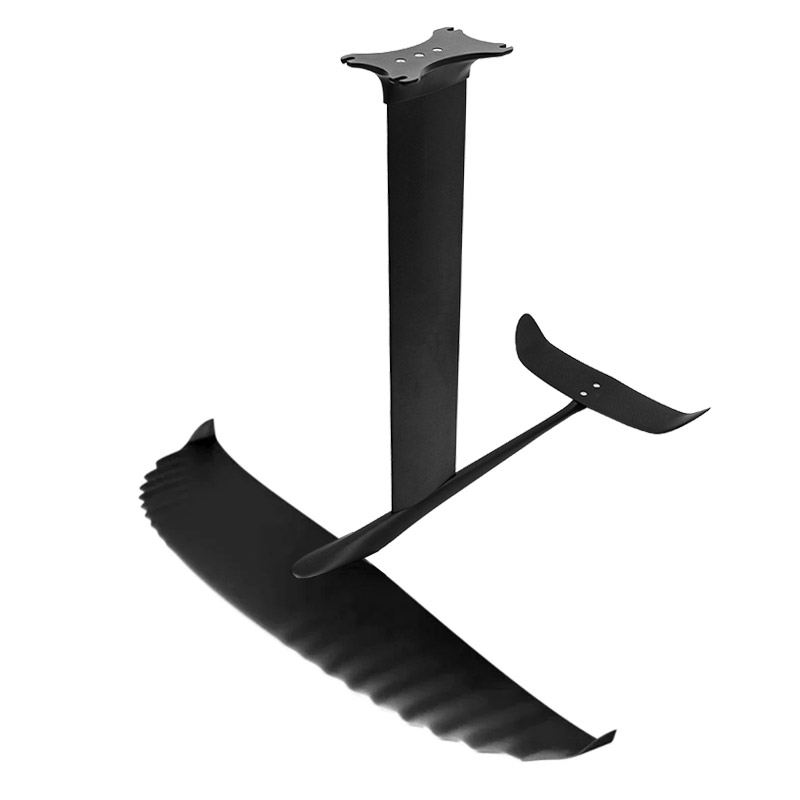
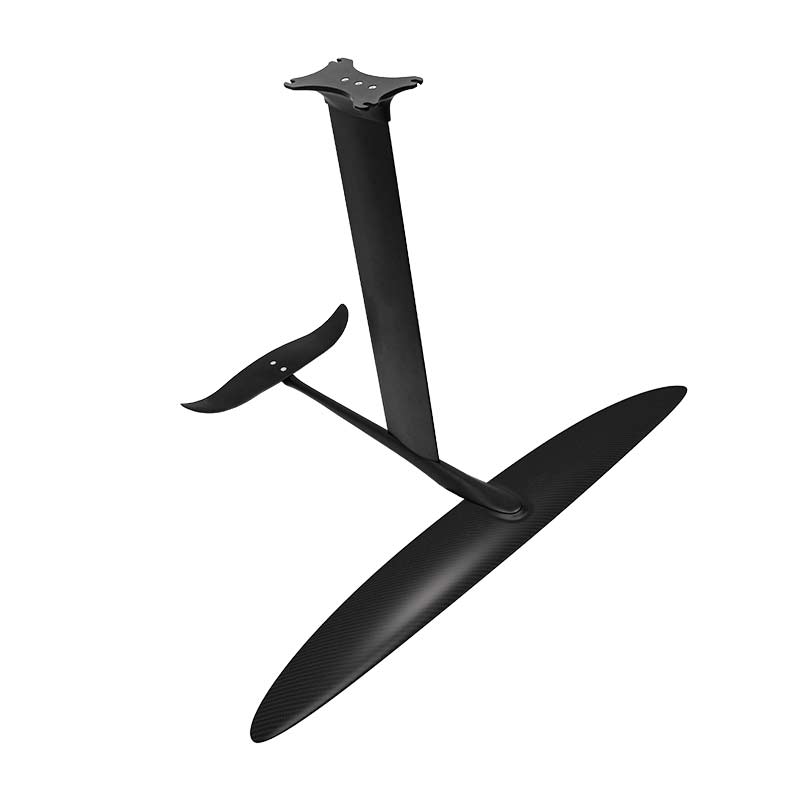
- Start with a larger, stable foil for better lift and control.
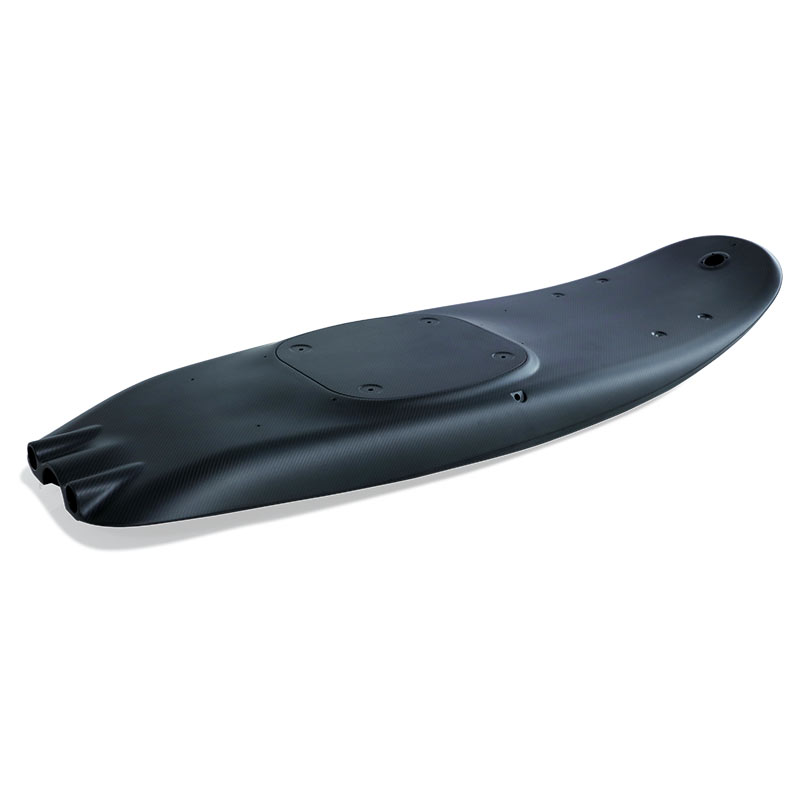
- Use a board with enough volume to paddle easily.
- Key considerations:
Day-by-Day Progression
Day 1: Observations and Feedback, After the initial session, several key areas of improvement were identified. Eye focus became crucial—shifting focus from looking down at the board to scanning the wave’s top third ensured better positioning. Additionally, adjusting the stance, including placing the feet closer together, provided better control over the foil’s lift.
Day 2: Putting Theory into Practice, With new insights, the next session focused on putting the theory into action. While knowing the correct techniques is one thing, applying them under pressure was a challenge. Despite some struggles, incremental progress was made, including the first attempts at pumping between waves.
The Struggle to Improve
Hydrofoiling requires patience and persistence, much like other board sports. During the following days, inconsistent surf conditions made progress difficult. Catching waves required precise timing, and maintaining control was an ongoing challenge. Nevertheless, the excitement of gliding on the foil kept everyone motivated.
Key areas of focus included:
- Focus: Keeping eyes on the wave’s critical sections to maintain speed.
- Body Positioning: Proper alignment to avoid over-lifting the foil.
- Wave Reading: Recognizing wave patterns to optimize positioning and transitions.
Breakthrough Moments
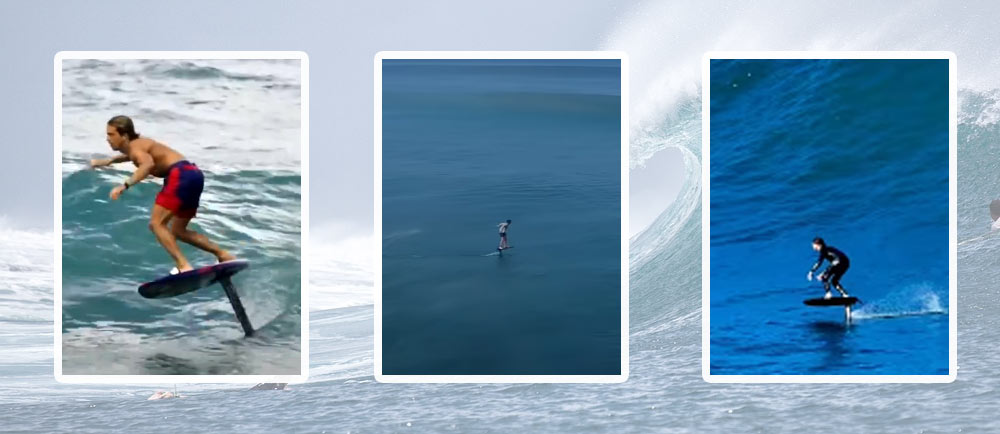
By Day 4, persistence began to pay off. After several challenging sessions, a solid wave was finally caught, allowing for practice with pumping—generating forward momentum on the foil. With each successful ride, confidence grew, and the prospect of achieving the double dip seemed more attainable.
Achieving the Double Dip
The final day brought both excitement and nerves. Previous sessions had brought the participants close to linking two waves, and this was the last opportunity to succeed. Crucial advice: after catching the first wave, focus on pumping across the line rather than retreating directly to the lineup. This strategy maximized the chances of linking to a second wave.
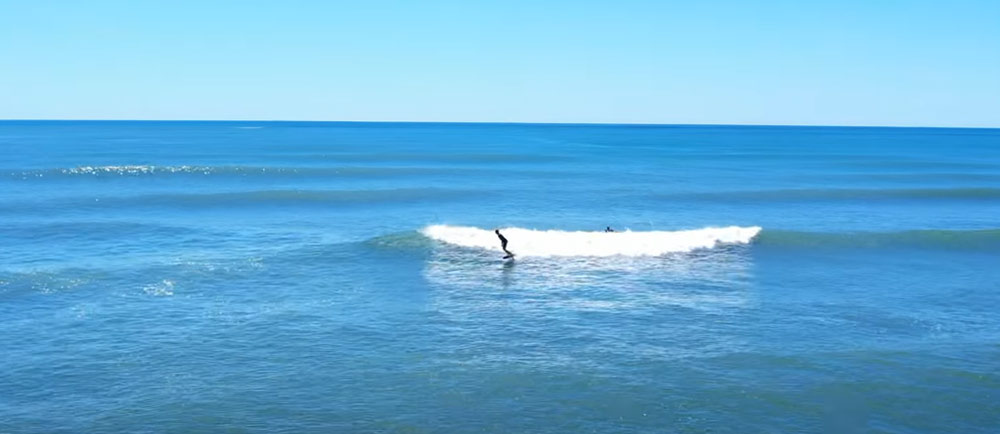
After numerous attempts, the breakthrough came—successfully transitioning from one wave to the next felt incredible, a culmination of practice, perseverance, and determination.
Reflections on the Journey
Hydrofoiling is a humbling yet exhilarating sport. Its steep learning curve rewards persistence with unmatched thrills. Key lessons include:
- Embrace Failure: Each wipeout is an opportunity for learning.
- The Right Equipment Matters: Smaller foils and stable setups help beginners.
- Guidance Accelerates Learning: Expert advice can significantly shorten the learning curve.
For those interested in hydrofoiling, investing in quality equipment and engaging with hydrofoiling communities provides valuable insights and personalized feedback
Conclusion
Mastering prone foiling and achieving the double dip may come with its challenges, but the sense of accomplishment makes it all worthwhile. Whether you’re an experienced surfer or a curious beginner, hydrofoiling offers a unique connection with the waves. For those ready to take on the challenge, persistence and a willingness to learn are your greatest allies. If you want to look a hydrofoil manufacturer, welcome to contact us, thank you. Happy foiling!