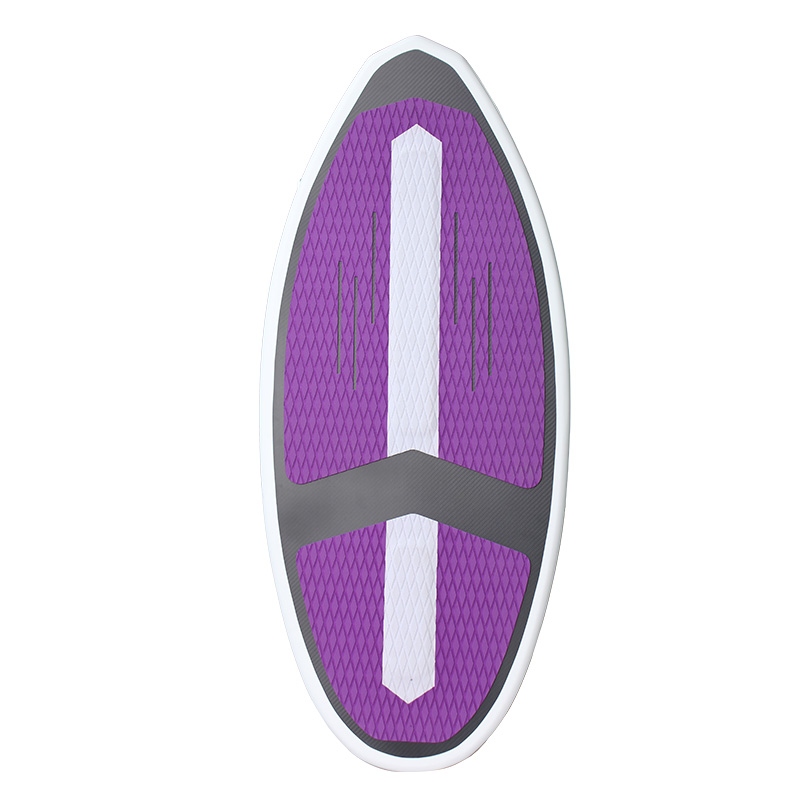
A human hydrofoil is a hydrofoil watercraft that uses direct human input to generate the forward movement required for hydrodynamic lift. Depending on the design, the rider may create propulsion through body-weight pumping, pedaling, or mechanical movement of an underwater wing system.
As the hydrofoil gains enough forward speed, its underwater front wing generates lift and raises the board, frame, or hull above the water. This reduces the amount of the craft that remains in contact with the water and allows the rider to experience the distinctive sensation of gliding or “flying” above the surface.
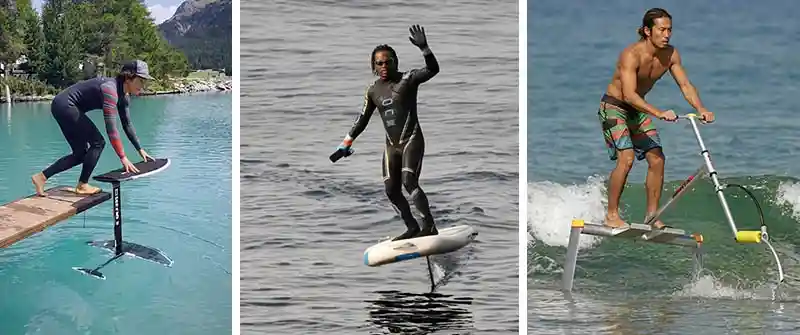
Human hydrofoils are available in several different forms, from unpowered dock-start pump foil setups to pedal-driven hydrofoil bikes and mechanically powered watercraft. They differ considerably in propulsion, construction, learning curve, and intended use.
This guide explains what a human hydrofoil is, how it works, the major types available, the role of the mast, fuselage and wings, how to choose a suitable setup, and what to consider when using carbon fiber components.
What Is a Human Hydrofoil?
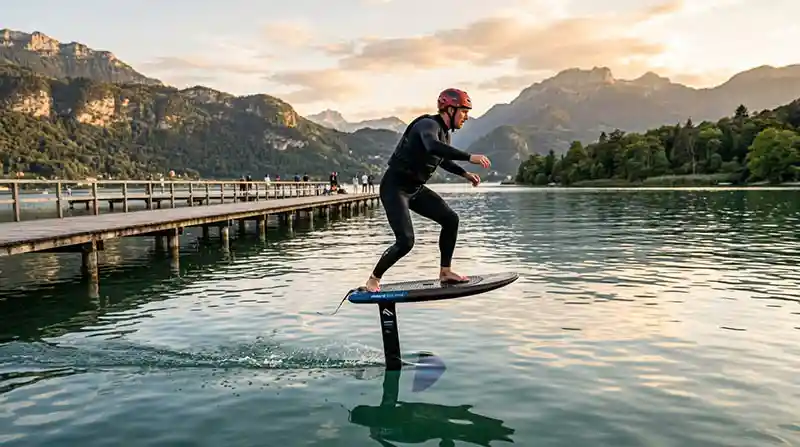
A human hydrofoil is a watercraft or hydrofoil setup in which the rider provides a significant part of the energy needed to create forward motion and maintain flight above the water.
The term can cover several different designs. A pump foil, for example, uses the rider’s body movement to maintain speed and lift. A hydrofoil bike uses pedaling to drive a propulsion system. Other mechanical hydrofoils use body movement to operate an articulated underwater wing.
The common feature is the hydrofoil itself.
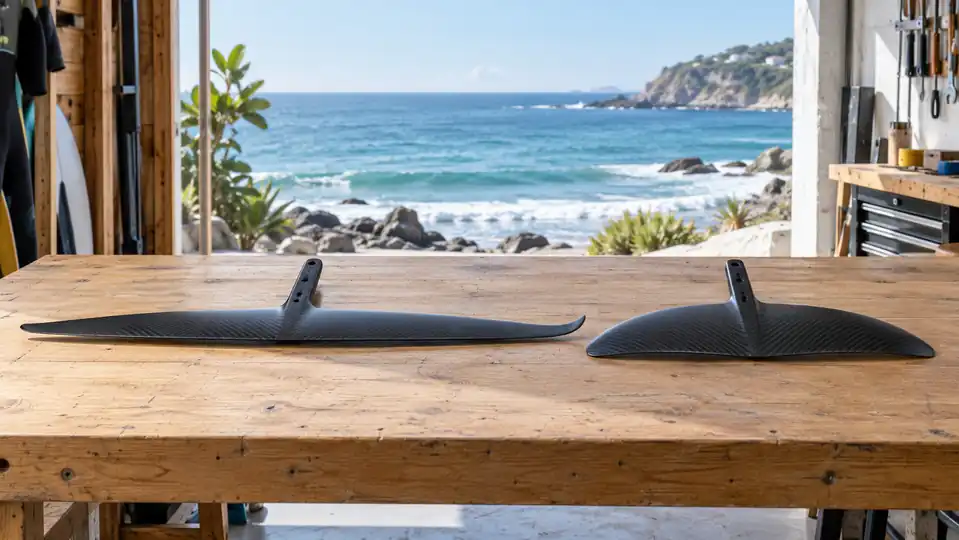
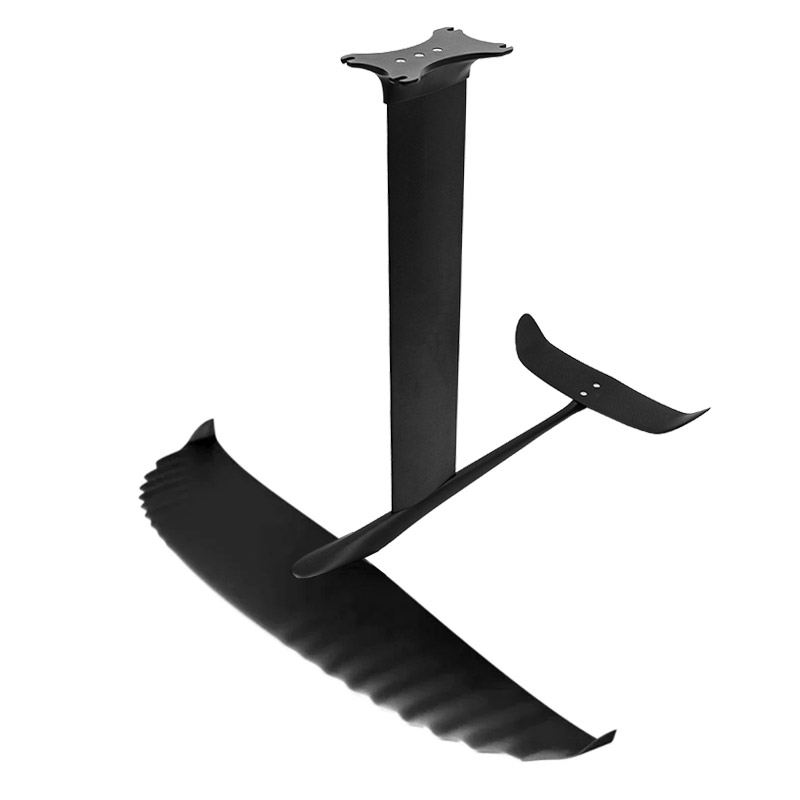
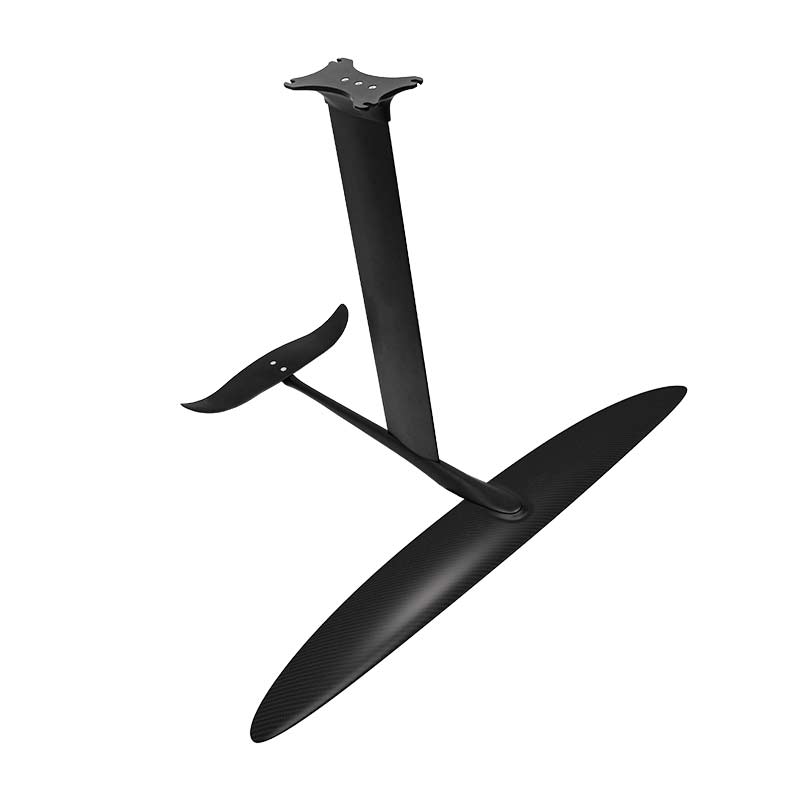
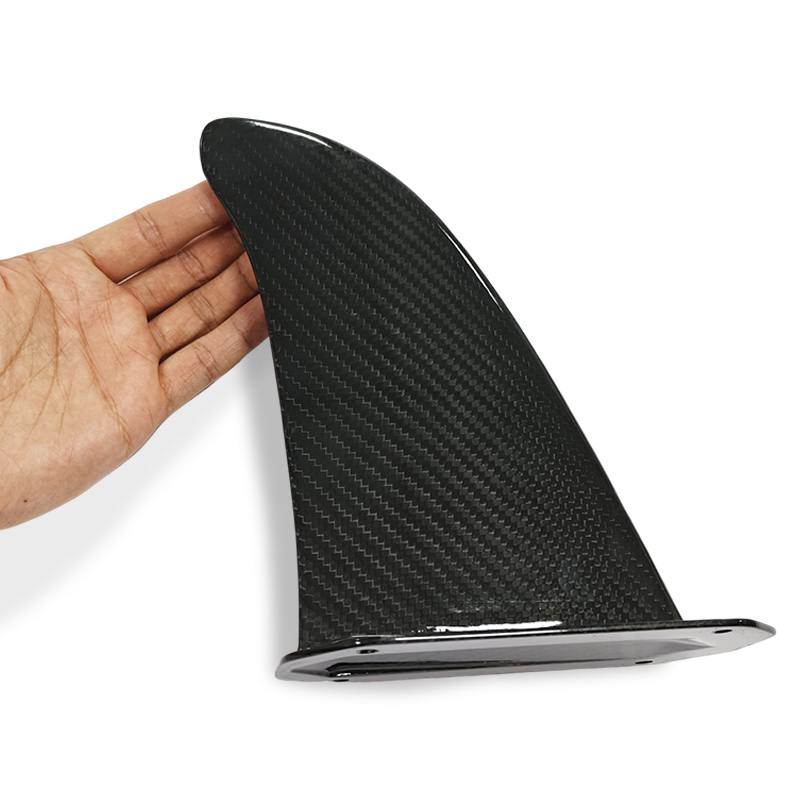
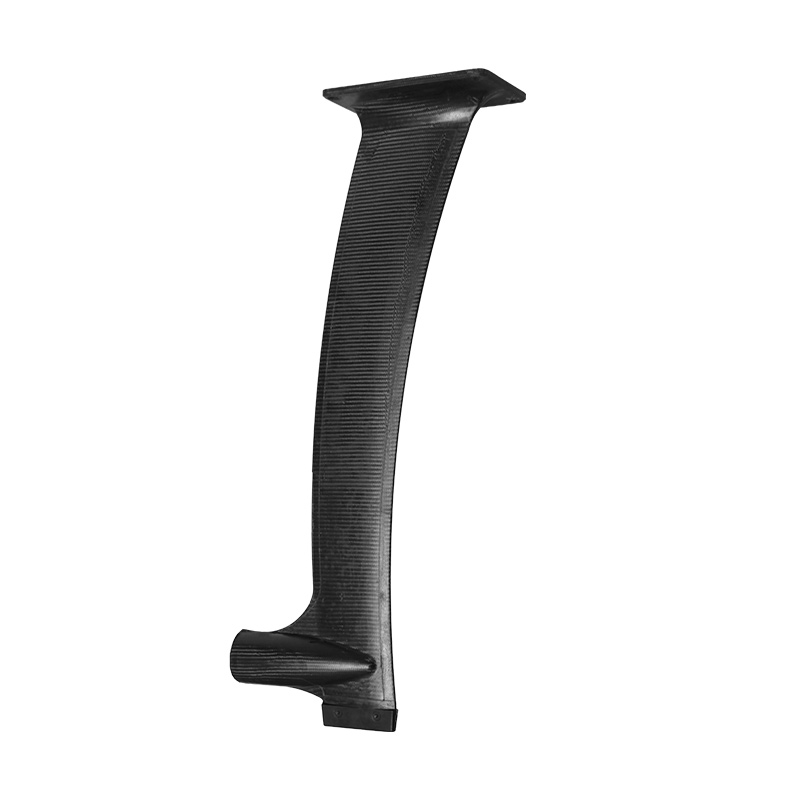
A typical hydrofoil system contains a front wing, fuselage, stabilizer, and mast. The front wing is positioned underwater and generates lift as water flows around its aerodynamic profile. The fuselage connects the front wing and stabilizer, while the mast connects the underwater foil assembly to the board, frame, or upper structure.
The exact configuration depends on the type of human hydrofoil being used.
Human Hydrofoil vs Human-Powered Hydrofoil
The terms human hydrofoil and human-powered hydrofoil are closely related and are sometimes used interchangeably.
“Human hydrofoil” is a broader search and product term that can describe hydrofoil craft where human input plays a central role in propulsion. “Human-powered hydrofoil” more specifically emphasizes propulsion generated by the rider rather than by a conventional combustion engine.
This distinction becomes useful when comparing pure pump foils with pedal-driven or electric-assisted hydrofoil bikes.
For example, a pure dock-start pump foil depends entirely on the rider’s body movement after launch. A pedal-driven hydrofoil bike converts pedaling into mechanical propulsion. An electric-assisted hydrofoil bike adds a motor and battery to the system, so it should not be classified as a purely human-powered hydrofoil.
How Does a Human Hydrofoil Work?
The operating principle of a human hydrofoil is based on the relationship between forward velocity, hydrodynamic lift, weight, and drag.
The basic sequence is:
Human input → forward movement → water flow over the foil → hydrodynamic lift → foil flight
The rider first needs to create or maintain forward velocity. Depending on the design, this can happen through pumping, pedaling, mechanical wing movement, or another form of human propulsion.
Once water flows over the front wing at sufficient speed and angle of attack, the wing generates upward hydrodynamic force. When the available lift becomes sufficient to support the rider and craft, the upper structure can rise clear of the water.
The foil does not simply “pull” the rider upward. Instead, the underwater wing interacts with the moving water to create a pressure and momentum distribution that produces lift.
The Role of the Front Wing
The front wing is the primary lift-generating component.
Its:
- surface area
- span
- aspect ratio
- profile
- thickness
- curvature
- angle of attack
all influence how the foil behaves.
A larger front wing generally provides more lift at lower speeds, which can be valuable for riders who need easier takeoff or are learning to pump. However, larger does not automatically mean faster. Wing geometry and rider weight must also be considered.
For example, Sabfoil’s Leviathan 1550 has a front-wing surface area of 2,140 cm² and an aspect ratio of 11.30. Sabfoil specifically positions this wing for dock-start, pumping, SUP and light downwind use, with a stated takeoff speed of 6 knots or below.
This illustrates why wing specifications should be evaluated as a complete system rather than by surface area alone.
The Role of the Mast
The mast connects the underwater foil assembly to the board or upper structure.
For a human hydrofoil, mast stiffness can be particularly important because pumping involves repeated changes in rider loading. Excessive bending or torsional movement can affect control and energy transfer.
Mast length also influences:
- water depth requirements
- foil clearance
- stability
- takeoff behavior
- recovery from touchdowns
There is no single mast length that is ideal for every human hydrofoil.
For example, Sabfoil currently offers the Leviathan 1550 system with both 73 cm and 83 cm mast configurations. The 73 cm configuration has a stated total foil-set weight of approximately 5.11 kg, while the 83 cm version is approximately 5.24 kg.
The correct choice therefore depends on the rider, board, water depth, and intended riding style.
The Role of the Fuselage and Stabilizer
The fuselage provides the structural connection between the front wing and rear stabilizer.
The stabilizer contributes to the pitch behavior and overall control of the foil system.
Because these components work together, changing one component can affect the behavior of the entire system.
A human hydrofoil should therefore be evaluated as an integrated system rather than as a collection of independent parts.
Types of Human Hydrofoil
Human hydrofoils are not limited to a single design. They can be grouped by how the rider generates propulsion and how the hydrofoil is used on the water. Some categories can overlap. For example, SUP foiling may involve human-powered propulsion while also being a specific riding format, and dock starting is a launch technique rather than a separate propulsion system.
SUP Foil
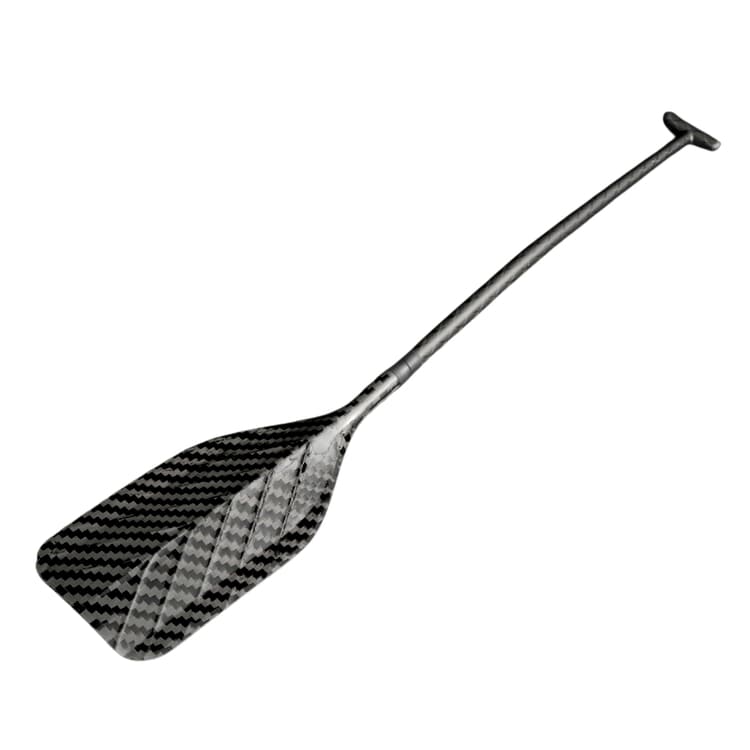
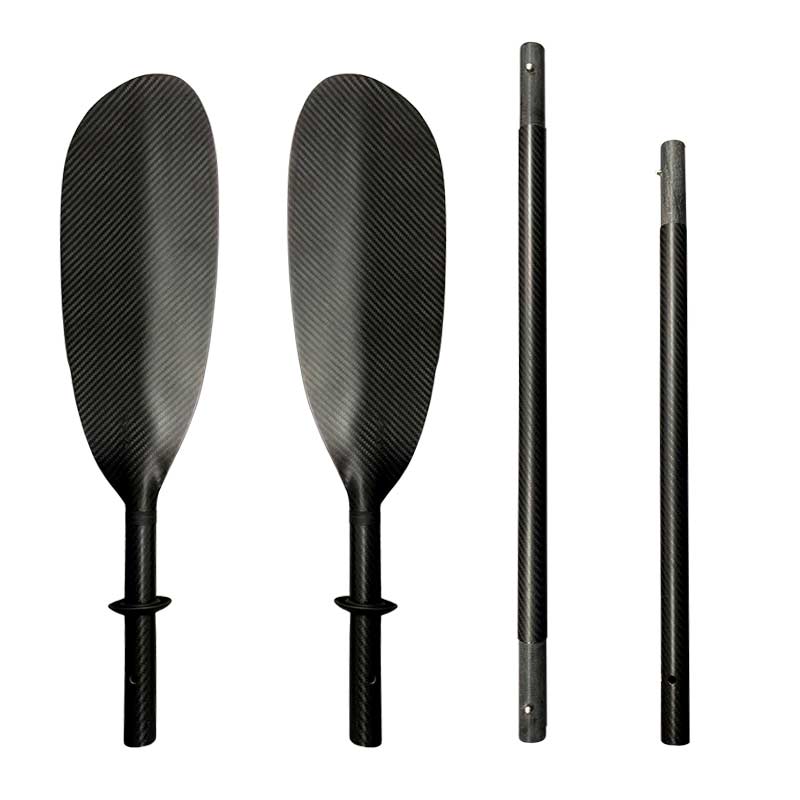
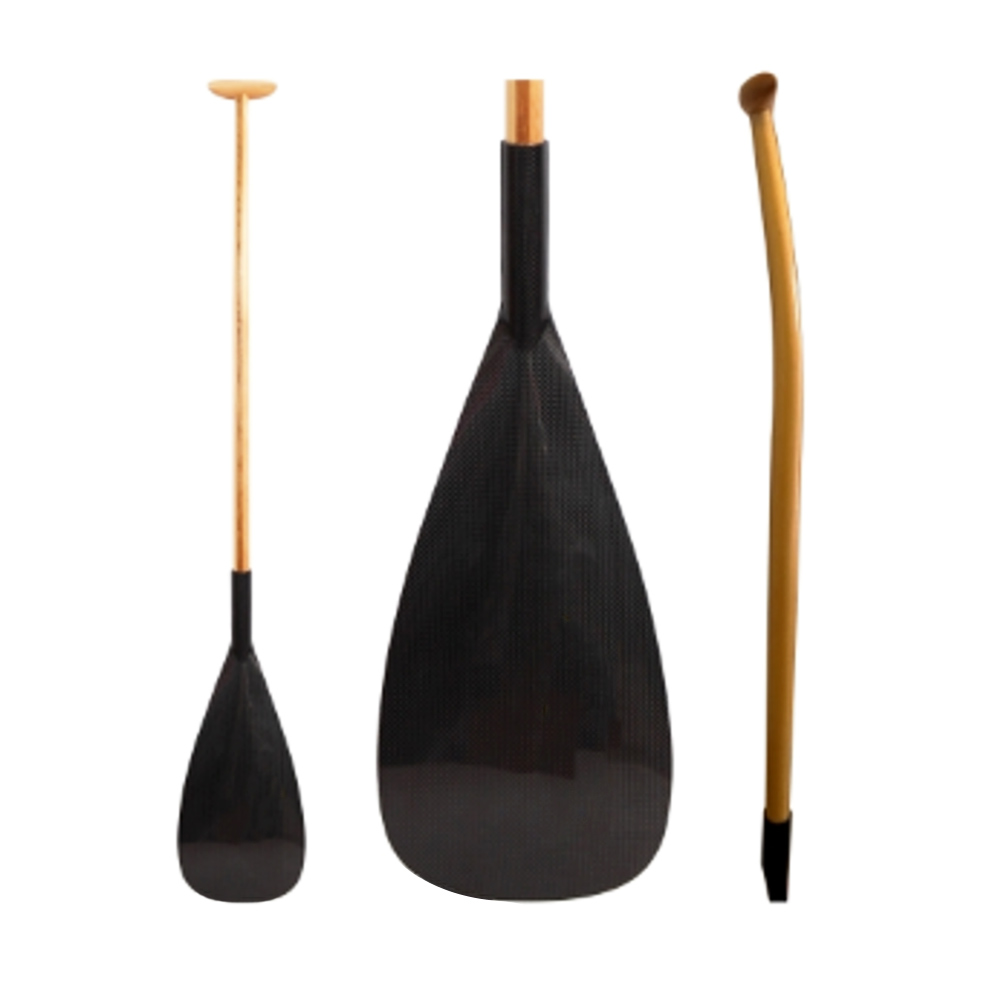
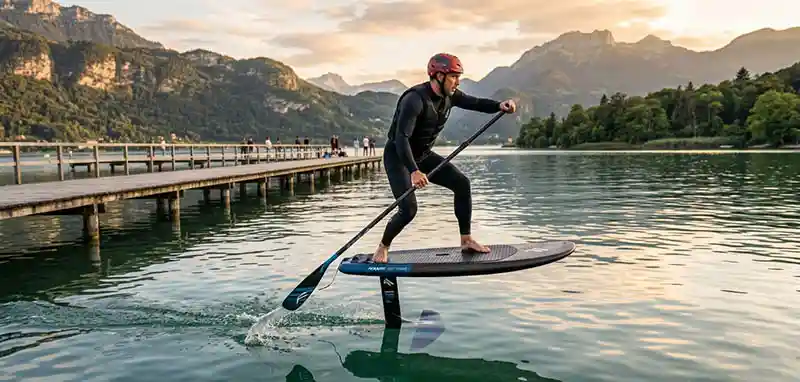
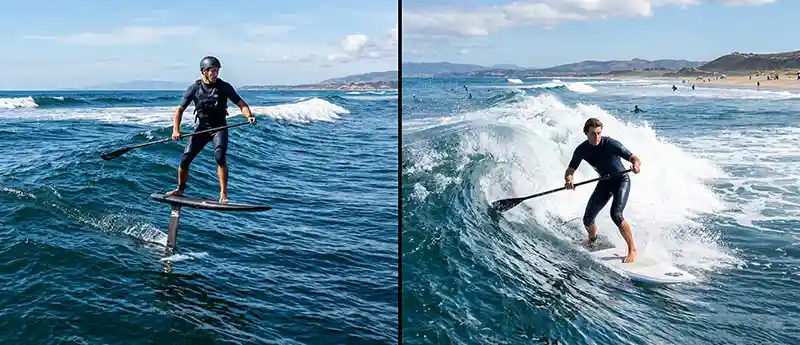
SUP foiling can be considered a form of human-powered hydrofoiling when the rider uses a paddle to generate the initial forward movement. Once the hydrofoil develops sufficient lift, the board rises above the water and the rider can continue foiling with reduced water resistance.
Compared with conventional SUP, SUP foil combines paddle technique, balance and foil control. The rider must manage the board’s pitch and roll while maintaining enough speed for the front wing to generate lift.
SUP foiling can be used in different water conditions, including waves, swell and suitable flat-water environments. The required foil configuration depends on factors such as rider weight, board design, wing area and intended riding style.
For a human hydrofoil guide, SUP foil is best understood as one application of human-powered hydrofoiling rather than a direct synonym for human hydrofoil.
Pump Foiling and Dock-Start Hydrofoiling
Pump foiling is another important form of human hydrofoil riding. Instead of relying on continuous paddling or a motor, the rider uses coordinated movements of the legs, hips and upper body to control the foil and maintain flight.
Dock starting is commonly used to launch this type of hydrofoil. The rider begins from a raised platform or dock, enters the water with sufficient initial speed and then uses pumping movements to maintain the foil’s motion.
Large, efficient front wings are often favored for pumping because they can generate substantial lift and provide useful glide characteristics at relatively low speeds. High-aspect-ratio wings are also commonly used when efficient glide and pumping performance are priorities, although the ideal configuration depends on rider weight, skill level and intended use.
Sabfoil’s Leviathan range provides a useful commercial example. The Leviathan 1550 front wing has a 2,140 cm² surface area and an aspect ratio of 11.30, and Sabfoil specifically lists the configuration for applications including dock start and pumping.
Pedal-Powered Hydrofoil Bike
A pedal-powered hydrofoil bike converts human pedaling into underwater propulsion.
The basic concept is closer to cycling than conventional surf-style foiling. Instead of relying on a paddle, wave or dock launch, the rider uses a crank and pedal system to generate continuous thrust while riding on a hydrofoil-supported frame.
One advantage of this configuration is that propulsion can be generated continuously, making pedal-powered hydrofoil bikes suitable for flat-water environments where waves or strong currents are not required.
The riding experience is also different from pump foiling. Because the rider has a dedicated mechanical propulsion system, maintaining forward movement does not depend entirely on repeated body-weight pumping.
Electric-Assisted Hydrofoil Bikes
Electric-assisted hydrofoil bikes should be distinguished from purely human-powered hydrofoils because their propulsion system combines human input with electric assistance.
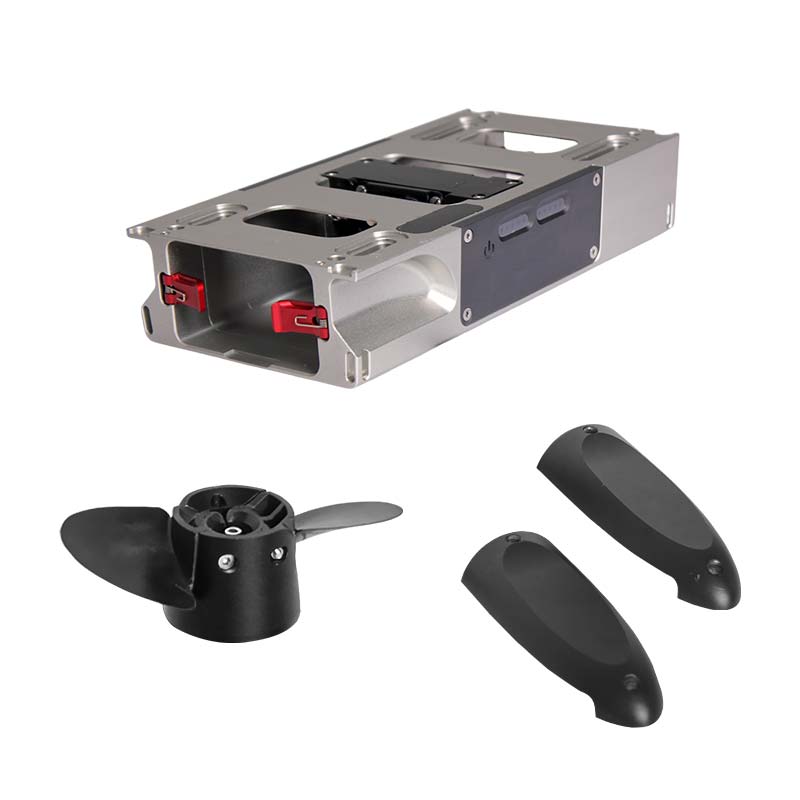
A representative example is the Manta5 Hydrofoiler SL3, which combines pedal input with an electric motor and battery system. Manta5 specifies a 2,500 W motor, a 52 V lithium-ion battery system and a top-end speed of up to 20 km/h.
These systems are useful when comparing different approaches to hydrofoil propulsion because they retain the cycling-style riding experience while reducing the amount of continuous human effort required.
However, an electric-assisted hydrofoil bike should not be classified as a purely human-powered hydrofoil. For a clear technical definition, it is better treated as a related category that sits between fully human-powered hydrofoils and electrically powered hydrofoils.
Human Hydrofoil vs E-Foil vs Hydrofoil Bike
The terminology around hydrofoils can be confusing because different products may look similar while using completely different propulsion systems.
| Feature | Human Hydrofoil | E-Foil | Hydrofoil Bike |
|---|---|---|---|
| Primary propulsion | Human input | Electric motor | Pedaling or pedal + electric assist |
| Typical launch | Dock, push-off or self-propelled | Motor-assisted | Water launch |
| Battery | Not required for pure systems | Required | Depends on configuration |
| Motor | Not required | Yes | Mechanical or electric-assisted |
| Main skill | Balance, pumping or propulsion technique | Foil control | Cycling/pedaling + balance |
| Flat-water use | Yes, depending on design | Yes | Yes |
| Main attraction | Human-powered flight | Motorized flight | Pedal-driven hydrofoil riding |
The key distinction is not the appearance of the craft. It is the source and transmission of propulsion energy.
What Makes a Human Hydrofoil Efficient?
Hydrofoil performance is determined by the interaction of multiple components rather than by a single specification.
Front Wing Area
Wing area strongly affects lift.
A larger wing can generate substantial lift at lower speeds, which can help with takeoff and low-speed pumping. A smaller wing may require more speed but can provide different handling and speed characteristics.
The appropriate wing area depends on rider weight, foil design, skill level and intended use.
Aspect Ratio
Aspect ratio describes the relationship between a wing’s span and its area.
In general, higher-aspect-ratio wings can provide strong glide efficiency and reduced induced drag under suitable operating conditions. Lower-aspect-ratio wings can offer different handling characteristics and may be preferable for maneuverability or other riding styles.
However, there is no universal rule such as “high AR is always better.”
The relationship between aspect ratio, surface area, wing profile and rider weight is more important than any single AR number.
The Sabfoil Leviathan range demonstrates this progression. The Leviathan 1550 has an AR of 11.30, while the Leviathan 1350 is listed at 9.75 and the Leviathan 1150 at 8.37. These wings are designed for different performance characteristics within the same broader product family.
Mast Stiffness
A stiff mast helps maintain predictable foil geometry under changing loads.
For pump foiling, repeated rider movement creates dynamic loading. Excessive mast bending or torsion can influence pitch and roll response.
Carbon fiber is particularly attractive for performance foil construction because composite layups can be engineered to achieve high stiffness with relatively low weight.
However, the performance of a carbon mast depends on the complete laminate design, fiber orientation, resin system, core construction where applicable, curing process and final geometry—not simply on the fact that the material is carbon fiber.
Fuselage Rigidity
The fuselage must maintain the relationship between the front wing, mast and stabilizer.
A rigid and accurately manufactured fuselage can contribute to predictable foil behavior, while poor dimensional accuracy or unwanted flex can affect alignment and handling.
For composite manufacturers, this makes fiber orientation, laminate thickness, bonding quality and dimensional control important parts of hydrofoil production.
Overall Weight
Weight matters particularly when the rider needs to accelerate the system repeatedly.
A lighter setup can reduce the energy required for launching, pumping and transporting the equipment. However, reducing weight should not compromise the stiffness and durability required for the intended application.
This is one reason carbon fiber composites are widely used in performance-oriented hydrofoil components.
How to Choose a Human Hydrofoil
Choosing a human hydrofoil should start with the rider rather than the product specification.
1. Consider Rider Weight
Rider weight has a major effect on the amount of lift required.
A larger front wing may be appropriate for a heavier rider or a rider who prioritizes low-speed lift, while a smaller wing may be more suitable for lighter or more experienced riders.
Always use the manufacturer’s recommended rider range where available.
2. Consider Your Skill Level
Beginners generally benefit from predictable lift and stable handling.
Experienced pump riders may prioritize:
- glide efficiency
- lower drag
- stiffness
- reduced weight
- high-aspect-ratio wings
- responsive control
A setup designed for an experienced dock-start rider may be unnecessarily difficult for someone learning hydrofoiling for the first time.
3. Consider the Water Environment
Water conditions influence setup selection.
For flat-water pumping, glide efficiency and low-speed lift can be particularly important.
For open-water riding, however, the rider may need to consider:
- wind
- surface chop
- water depth
- currents
- launch conditions
- traffic
- local restrictions
A setup that works well on a calm lake may not be ideal in exposed coastal conditions.
4. Consider Wing Area and Aspect Ratio Together
Do not select a front wing based only on its advertised surface area.
Compare:
- surface area
- span
- aspect ratio
- profile
- rider weight
- intended speed
- intended riding style
A 1,500 cm² wing from one design may behave very differently from a 1,500 cm² wing from another.
5. Check Component Compatibility
Before purchasing individual components, verify compatibility between:
- mast and board
- mast and fuselage
- front wing and fuselage
- stabilizer and fuselage
- mounting hardware
Different manufacturers use different connection standards.
For example, Sabfoil’s Leviathan 1550 system uses a T8 wing-fuselage connection and a carbon plate board connection in its 73P and 83P configurations.
Do not assume that components from different foil ecosystems are interchangeable simply because they have similar dimensions.
How to Start Dock-Start Pump Foiling
Dock-start pump foiling requires more technique than simply standing on a hydrofoil board.
The basic progression is:
Equipment check → Safe launch area → Controlled takeoff → Stabilization → Pumping → Recovery
Step 1: Check the Equipment
Before entering the water, inspect:
- mast connections
- fuselage bolts
- front-wing hardware
- stabilizer hardware
- board attachment
- foil edges
- board condition
All fasteners should be installed according to the manufacturer’s specifications.
Step 2: Check Water Depth
Never assume that a location is deep enough simply because the water looks deep.
The required depth depends on mast length and foil configuration. Allow additional clearance for launching, falls and changes in water level.
The foil should never be allowed to contact the bottom.
Step 3: Start With Controlled Momentum
A dock start normally requires enough initial forward momentum for the foil to generate lift.
The exact launch technique depends on the board, mast, front wing, dock height and rider experience.
There is no universal number of running steps or a single launch speed that works for every setup.
Step 4: Stabilize Before Pumping Hard
After takeoff, focus first on maintaining pitch and roll control.
Large movements can destabilize a foil. Smooth weight transfer is generally more useful than trying to generate maximum power immediately.
Step 5: Develop a Consistent Pumping Rhythm
Once stable flight is established, the rider can gradually learn to use coordinated leg, hip and body movements to maintain speed.
Efficient pumping is not simply jumping up and down.
The objective is to manage the foil’s pitch and energy while maintaining enough forward velocity for the wings to continue generating lift. Welcome, click the link to see the dock start foiling guide.
Human Hydrofoil Safety Guide
A human hydrofoil can be quiet and lightweight compared with many powered watercraft, but the underwater foil itself can still create significant impact hazards.
Wear Appropriate Protection
Depending on the riding environment and local requirements, riders should consider:
- a properly fitted helmet
- an impact vest or buoyancy aid
- suitable water sports footwear
- protective equipment appropriate for foil riding
Keep Clear of Other Water Users
Foil systems can extend well below the surface and may be difficult for other water users to see.
Choose an appropriate riding area and maintain sufficient distance from swimmers, paddlers, boats, docks and other obstacles.
Check the Bottom
Shallow water is particularly hazardous for hydrofoiling because the mast and wings can strike the bottom.
Never rely on a general depth recommendation without considering your actual mast and foil configuration.
Follow Local Regulations
Human-powered does not automatically mean unrestricted.
Lakes, rivers, marine areas and protected zones can have different rules regarding:
- watercraft
- launching
- foil equipment
- protected habitats
- speed
- right of way
- permitted riding areas
Always check the rules that apply to the specific body of water.
Carbon Fiber in Human Hydrofoil Construction
Carbon fiber has become an important material for high-performance hydrofoil construction because composite structures can be engineered for a high stiffness-to-weight ratio.
For a human hydrofoil, this can be particularly valuable in components such as:
- masts
- front wings
- stabilizers
- fuselages
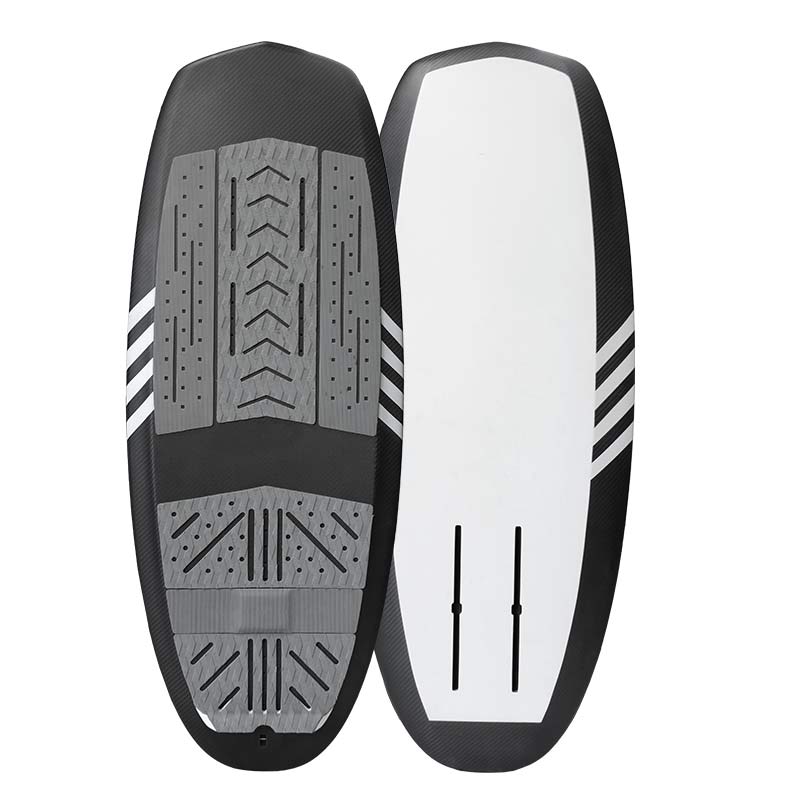
- boards
- structural frames
Why Carbon Fiber Is Used
Unlike a conventional isotropic material, a carbon fiber composite can be designed around the direction of the expected loads.
Engineers can control:
- fiber orientation
- laminate thickness
- ply sequence
- resin content
- core structure
- local reinforcement
to achieve specific stiffness and strength characteristics.
Mast Construction
A hydrofoil mast experiences bending and torsional loads during riding.
A properly engineered carbon laminate can be designed to resist these loads while keeping the structure relatively lightweight.
The goal is not simply to make the mast as stiff as possible. The structure must also provide adequate strength, impact resistance and durability for the intended application.
Manufacturing Accuracy
Hydrofoil components also require accurate geometry.
Small dimensional deviations in:
- mast alignment
- fuselage interfaces
- wing mounting points
- stabilizer positioning
can influence the final foil’s behavior.
For composite manufacturers, this makes mold accuracy, controlled curing, CNC machining, trimming and inspection important parts of the production process.
If you want to make a hydrofoil for your brand, welcome to contact us.
Human Hydrofoil vs Traditional SUP
A traditional SUP relies on a paddle and a board that remains largely on the water surface.
A human hydrofoil operates differently.
Once the foil generates sufficient lift, the board or upper structure rises above the water. The rider therefore experiences a substantially different type of movement, with the underwater foil controlling much of the lift and stability.
| Feature | Human Hydrofoil | Traditional SUP |
|---|---|---|
| Main propulsion | Human-powered foil system | Paddle |
| Board position | Can rise above water | Remains on surface |
| Main technical challenge | Foil balance and lift control | Balance and paddling |
| Underwater components | Front wing, mast, fuselage, stabilizer | Usually none |
| Learning curve | Generally higher | Generally more accessible |
| Flat-water use | Depends on design | Yes |
| Equipment complexity | Higher | Lower |
The two sports therefore serve different purposes even though both can be human-powered and used on calm water.
Benefits of a Human Hydrofoil
Efficient Use of Human Energy
A well-designed hydrofoil can maintain flight with relatively low wetted area once it reaches its operating condition.
This is one reason pump-oriented foil systems emphasize glide efficiency and low-speed lift.
Full-Body Physical Activity
Pump foiling requires coordinated movement from the legs, hips and core, while pedal-driven hydrofoil bikes add continuous lower-body pedaling.
The physical demand varies substantially between designs and riding styles, so calorie-burn estimates should not be treated as universal performance specifications.
Quiet Riding Experience
Pure human-powered hydrofoils do not require a combustion engine, and systems without electric motors can operate without motor noise.
This makes them particularly attractive to riders seeking a quiet connection with the water.
Compact Performance Equipment
Performance hydrofoil systems can combine a relatively lightweight upper structure with a small number of underwater components.
Carbon fiber can further reduce structural weight while providing the stiffness required for high-performance foil applications.
Human Hydrofoil Maintenance
Proper maintenance helps preserve both performance and component life.
After riding, especially in salt water:
- Rinse the foil components with fresh water.
- Inspect bolts and mounting interfaces.
- Check the front wing and stabilizer for impact damage.
- Inspect the mast for visible damage.
- Check the fuselage connection.
- Allow components to dry before long-term storage.
- Follow the manufacturer’s recommended hardware and torque procedures.
Carbon fiber components should also be inspected after significant impacts.
A composite component can sometimes suffer internal damage that is not immediately obvious from the outside. Any component involved in a serious collision should be inspected according to the manufacturer’s service recommendations.
Frequently Asked Questions About Human Hydrofoils
What is a human hydrofoil?
A human hydrofoil is a hydrofoil watercraft or setup in which the rider provides the energy needed to create or maintain forward movement and foil lift. Depending on the design, propulsion can come from body-weight pumping, pedaling or mechanical movement.
How does a human hydrofoil work?
A human hydrofoil uses an underwater wing to generate hydrodynamic lift. The rider first creates forward movement through the propulsion system. As water flows over the foil at sufficient speed, lift increases and can raise the board or hull above the water.
Is a human hydrofoil the same as an e-foil?
No. An e-foil uses an electric motor and battery as its primary propulsion system. A pure human hydrofoil relies on direct human input. Electric-assisted hydrofoil bikes occupy a different category because they combine human pedaling with motor assistance.
What is the difference between a human hydrofoil and a hydrofoil bike?
A human hydrofoil is a broader category. A hydrofoil bike is a specific type of hydrofoil watercraft that uses a bicycle-style frame and pedal-driven propulsion. Some modern hydrofoil bikes also include electric assistance.
Can a human hydrofoil be used on flat water?
Yes. Some human hydrofoil systems are specifically designed for flat-water pumping or riding. For example, Sabfoil describes its Leviathan 1550 configuration as suitable for dock-start, pumping and flat-water use.
How fast can a human hydrofoil go?
There is no single speed that applies to every human hydrofoil. Performance depends on rider weight, wing design, propulsion method, water conditions and configuration.
As a reference point, Sabfoil lists a top-end speed of 10–12 knots for an average 80 kg rider on its Leviathan 1550 configuration, while the manufacturer lists a takeoff speed of 6 knots or below.
What size hydrofoil wing should a beginner use?
The appropriate wing size depends primarily on rider weight, skill level, board characteristics and intended riding style.
Beginners often benefit from sufficient wing area to generate predictable lift at lower speeds, but choosing the largest possible wing is not automatically the best solution.
Is carbon fiber important for a human hydrofoil?
Carbon fiber can be highly valuable for performance-oriented hydrofoil components because composite structures can be engineered for high stiffness at relatively low weight.
However, material selection alone does not determine performance. Layup design, fiber orientation, resin system, geometry, manufacturing accuracy and quality control all contribute to the final component.
Do you need waves to ride a human hydrofoil?
Not necessarily. Some human hydrofoil systems are specifically designed for flat-water use. Pump foiling and pedal-driven hydrofoil bikes can operate without ocean waves, provided the equipment and environment are suitable.
Is a human hydrofoil difficult to learn?
The learning curve varies significantly by design.
A pedal-driven hydrofoil bike may provide a more familiar propulsion motion, while dock-start pump foiling requires the rider to develop balance, timing, pitch control and pumping technique.
Is a human hydrofoil safe?
Hydrofoiling requires appropriate training and awareness because the mast and wings are rigid underwater structures with potentially sharp or hard edges.
Riders should use appropriate protective equipment, select suitable water depth and riding areas, maintain distance from other water users, and follow local regulations.
Final Thoughts: Choosing the Right Human Hydrofoil
A human hydrofoil is more than a board with an underwater wing. It is an integrated hydrodynamic system in which propulsion, lift, stiffness, weight, wing geometry and rider technique all work together.
For pump foiling, front-wing area, aspect ratio, glide efficiency and structural stiffness can be especially important. For hydrofoil bikes, propulsion architecture, frame design and rider ergonomics become more significant. For electric-assisted systems, battery and motor specifications also become part of the equation.
The best human hydrofoil is therefore not necessarily the fastest, largest or lightest option. It is the system whose foil geometry, propulsion method, structural design and rider characteristics match the intended environment and riding style.
For manufacturers and product developers, the same principle applies to component design. Carbon fiber layup, mast stiffness, fuselage geometry, wing accuracy and manufacturing consistency can all influence the final performance of a human hydrofoil.
As hydrofoil technology continues to develop, the combination of human propulsion and efficient composite structures provides an increasingly interesting way to experience low-drag movement across the water—without relying on a conventional combustion-powered craft.