If you’ve been exploring foiling—whether for surfing, winging, kiting, or electric riding—you’ve probably noticed one thing immediately: hydrofoil cost varies wildly. In 2026, prices range from a few hundred dollars to well over $15,000. For beginners, brands, and even experienced riders, understanding what drives hydrofoil Price is essential before making a purchase decision.
In this guide, we’ll break down everything you need to know—from realistic price ranges to what truly drives cost differences—so you can make an informed decision based on your needs rather than marketing claims.
Average Hydrofoil Cost in 2026
To set expectations, here’s a general breakdown of what buyers are paying in today’s market:
- Entry-level setups: $300 – $800
- Mid-range systems: $800 – $2,500
- High-performance gear: $2,500 – $6,000+
- Electric models (eFoils): $6,000 – $15,000+
At first glance, this spread can feel overwhelming. The key reason behind it is that not all hydrofoils are built for the same purpose. A beginner cruising setup and a carbon racing foil are essentially different products altogether.
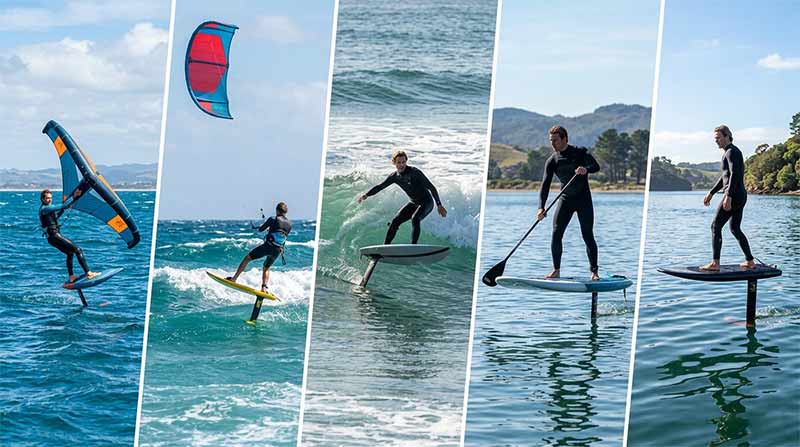
Cost Differences by Hydrofoil Type
Understanding the type of hydrofoil you need is the first step toward making a smart purchase. Each category is engineered differently, which directly impacts pricing.
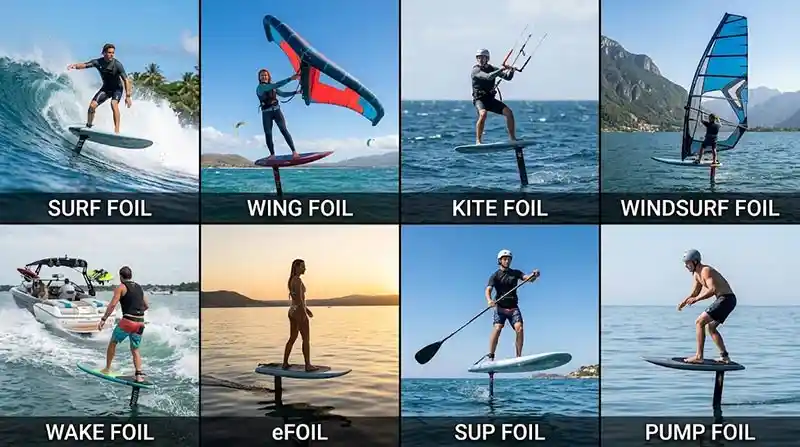
Surf Hydrofoil Cost
- Price range: $700 – $2,500
- Best for: Wave riders transitioning from traditional surfing
Surf foils are designed for wave riding at relatively low speeds. Entry-level options often use aluminum masts with composite wings, while premium versions rely on full carbon construction for better responsiveness. For most casual surfers, a mid-range setup provides the best balance between performance and affordability.
Kite Hydrofoil Cost
- Price range: $800 – $3,000
- Best for: High-speed performance riders
Kite foils prioritize speed and efficiency. They tend to feature narrower wings and longer masts, which require more precise engineering. Because of these performance demands, prices are generally higher than entry-level surf setups, especially in the racing segment.
Wing Foil Cost
- Price range: $900 – $2,800
- Best for: All-around riders and beginners
Wing foiling has exploded in popularity, and manufacturers have responded with modular systems. These allow riders to swap wings and masts as their skills improve. While the initial investment may be moderate, upgrading components over time can increase total spending.
SUP Hydrofoil Cost
- Price range: $1,000 – $3,500
- Best for: Stability and glide in small waves
Stand-up paddle foils require larger wings to generate lift at low speeds. This increases both material usage and manufacturing complexity. As a result, these setups are typically positioned in the mid-to-high price range.
Pumping Hydrofoil Cost
Price range: $1,500 – $4,500+
Best for: Flat water pumping, dock starts, and advanced glide performance
Dockstart (also known as pumping) hydrofoils are specifically designed for generating continuous lift through rider input rather than external wave power. These setups typically feature ultra-high aspect ratio wings and lightweight, high-stiffness materials such as carbon fiber to maximize efficiency and glide.
Because of the precision engineering required for efficient pumping—along with the demand for premium materials and tighter tolerances—these hydrofoils are usually positioned at the higher end of the market. Their performance-oriented design makes them especially popular among advanced riders and competitive foiling enthusiasts.
Efoil Cost
- Price range: $6,000 – $15,000+
- Best for: Premium experience, no wind or waves needed
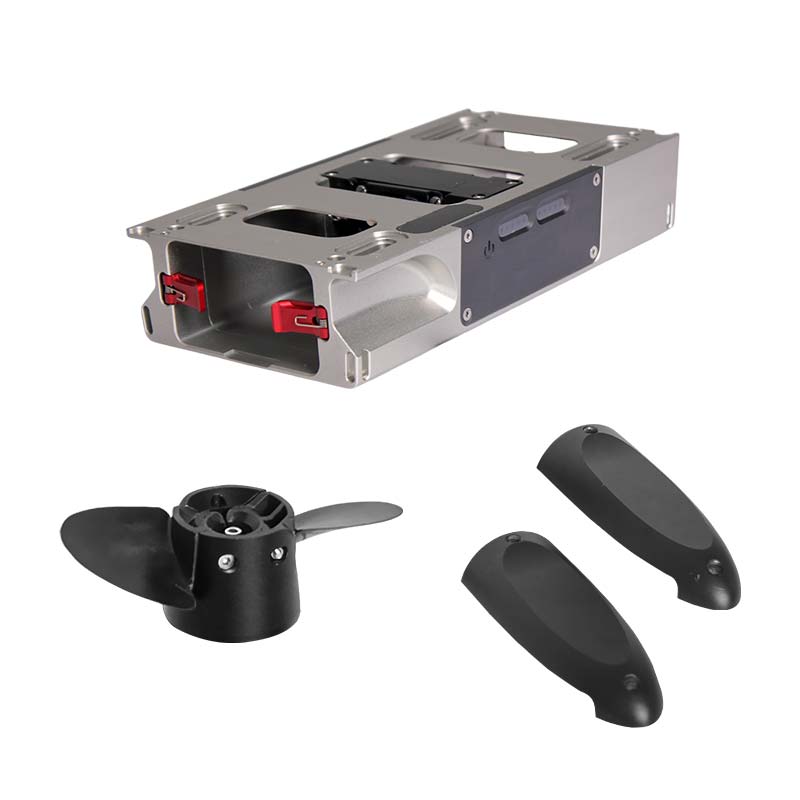
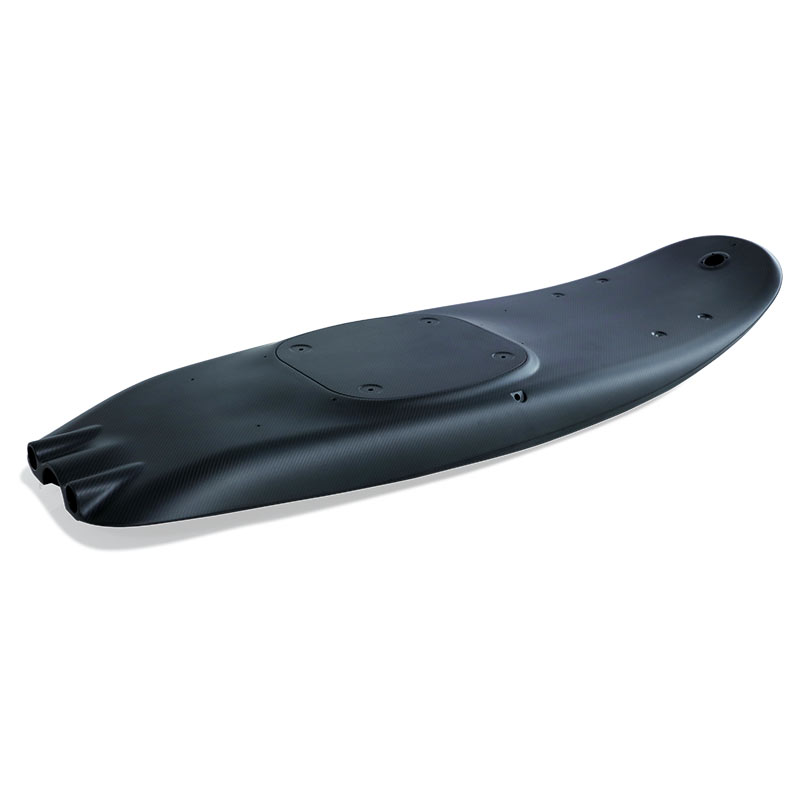
Electric hydrofoils operate with battery-powered motors, allowing riders to glide above water without waves or wind.
Their significantly higher price comes from:
- Lithium battery systems
- Electric propulsion units
- Advanced electronics and controllers
These are often used in luxury recreation, resorts, or rental businesses.
What Affects Hydrofoil Cost?
To understand why costs vary so much, it’s important to look at the key factors behind the numbers.
1. Material Selection
Materials play the biggest role in determining overall value.
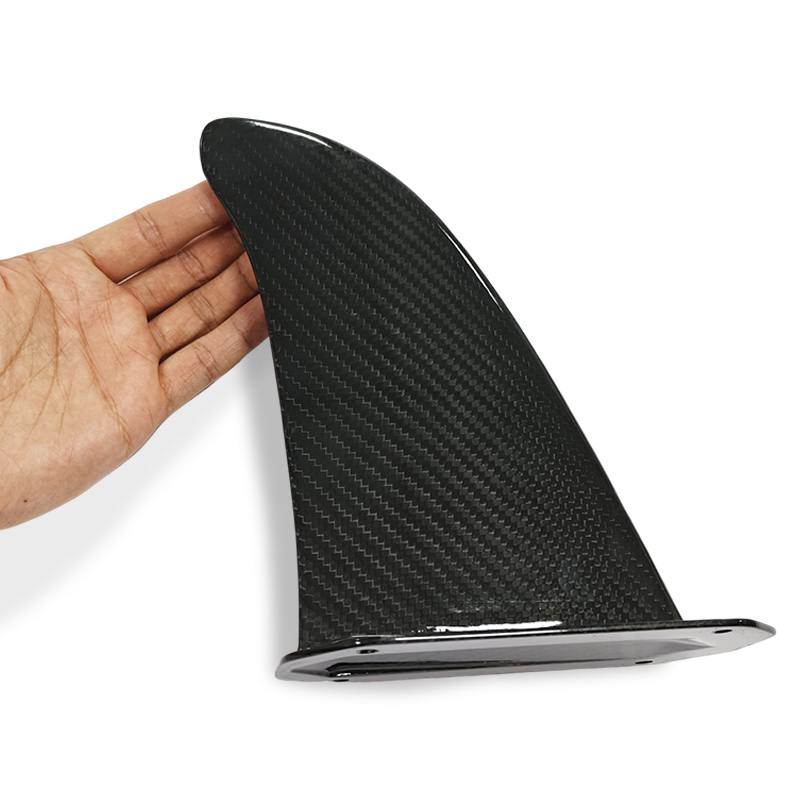
- Carbon fiber: Lightweight, stiff, and high-performance
- Aluminum: Durable and cost-effective
- Fiberglass/composites: Budget-friendly but heavier
Carbon fiber is widely considered the premium choice. It reduces weight and improves responsiveness, but it also requires more complex manufacturing processes.
2. Manufacturing and Brand Positioning
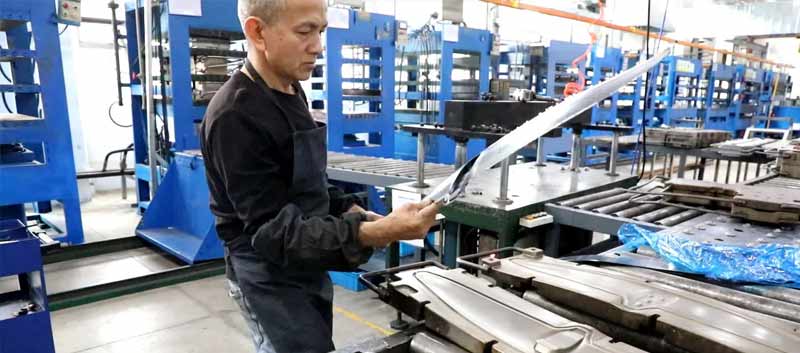
There’s often a significant difference between buying from a well-known brand and sourcing directly from a manufacturer.
- Established brands charge for design, marketing, and distribution
- OEM factories can offer similar specifications at lower prices
For businesses or bulk buyers, working directly with a factory can be a strategic way to reduce costs.
3. Design Complexity
Not all hydrofoils are engineered equally.
Higher-end models often include:
- Optimized hydrodynamic shapes
- Modular component systems
- Reinforced structural designs
These features improve performance but also increase production costs.
4. Included Components
One of the most overlooked factors is what’s actually included in the package.
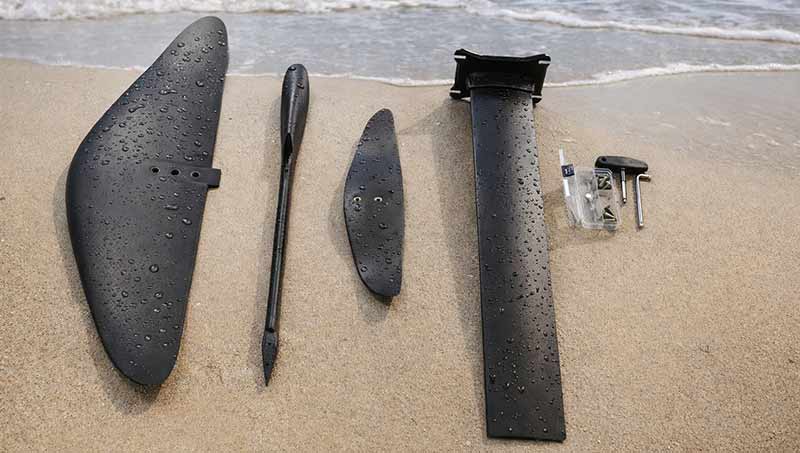
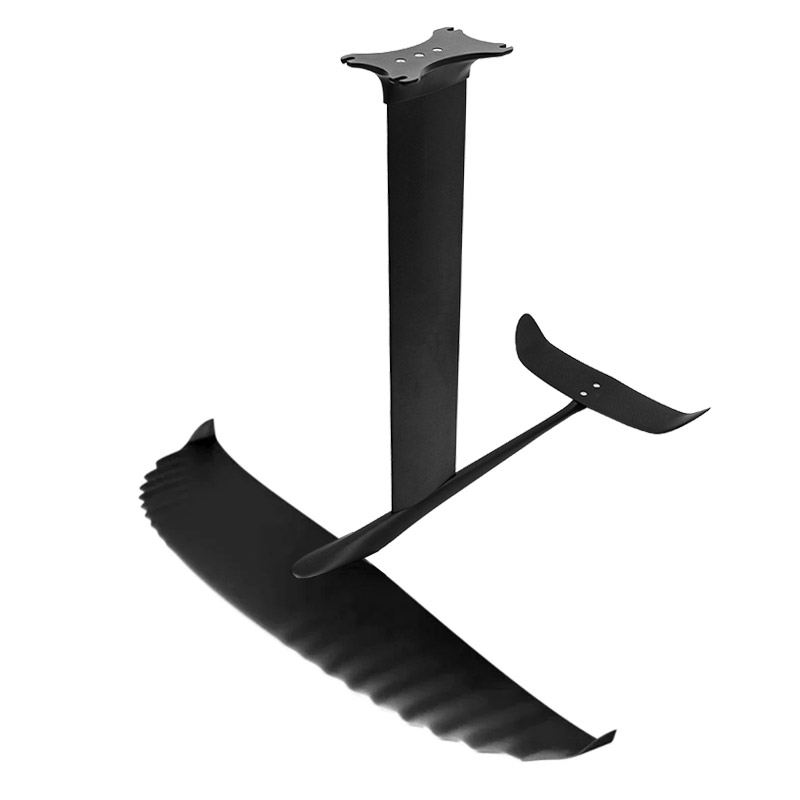
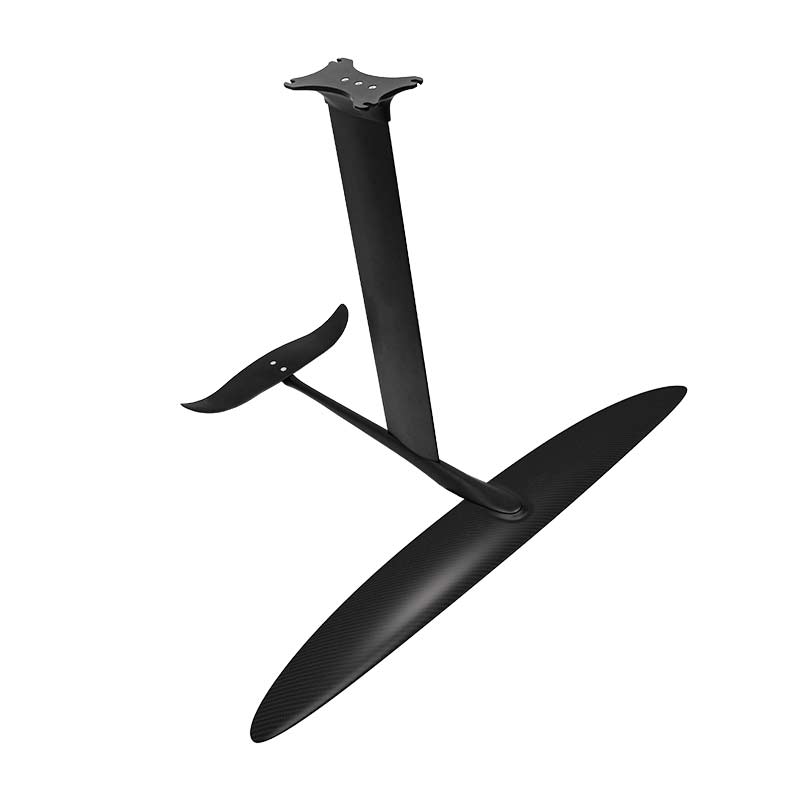
A complete system typically consists of:
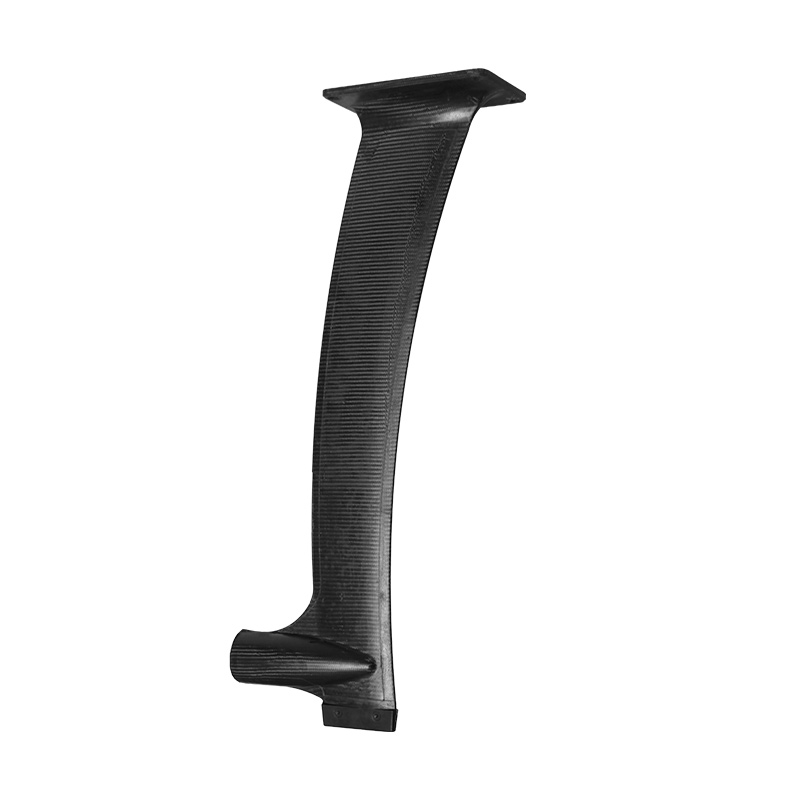
- Mast
- Fuselage
- Front wing
- Rear stabilizer
Some products include everything, while others sell parts separately. This makes price comparisons tricky unless you look closely at what you’re getting.
Carbon Fiber Hydrofoil Cost vs Other Materials
Let’s compare how materials impact hydrofoil cost and performance:
| Material | Weight | Durability | Performance | Price Level |
|---|---|---|---|---|
| Carbon Fiber | Very Light | High | Excellent | High |
| Aluminum | Medium | Very High | Good | Medium |
| Fiberglass | Heavy | Moderate | Basic | Low |
For beginners, aluminum setups are often sufficient. However, experienced riders tend to prefer carbon systems due to improved control and reduced fatigue during long sessions.
Is It Worth Spending More?
The answer depends largely on your skill level and goals.
For Beginners
- Starting with a lower-cost setup is usually the smartest approach. It allows you to learn the basics without a large upfront commitment.
For Intermediate Riders
- At this stage, upgrading certain components—such as the front wing or mast—can significantly improve performance without requiring a full system replacement.
For Advanced Riders
- For experienced riders, investing in high-end equipment often makes sense. The performance difference becomes more noticeable, especially in speed, carving, and efficiency.
For Businesses (Rental / Brands)
- For rental operations or emerging brands, durability and scalability matter more than top-tier performance. In these cases, balancing cost and longevity is critical.
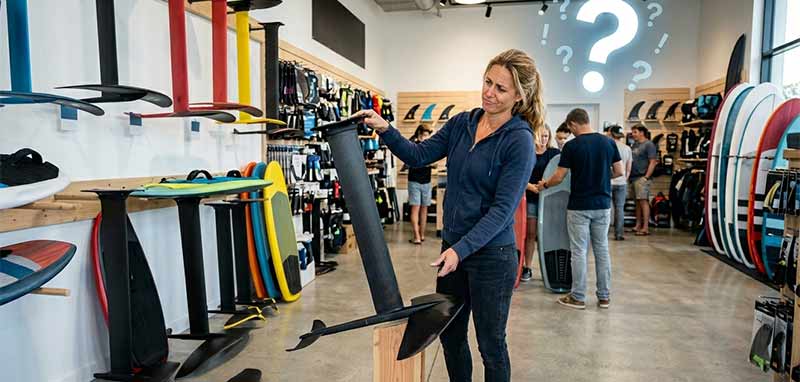
How to Choose the Right Hydrofoil Based on Cost
Avoid over-investing in premium materials if you’re still learning. Upgrades can always come later.
Step 1: Define Your Budget
Determine how much you’re willing to invest based on how frequently you plan to ride.
Step 2: Identify Your Use Case
- Surfing: stability and lift
- Racing: speed and efficiency
- Cruising: ease of use
- Commercial use: Quality, price, and after-sales service
Each use case has a different optimal hydrofoil cost range.
Step 3: Choose the Right Material
- Budget → Aluminum
- Performance → Carbon fiber
Step 4: Evaluate Suppliers
- Brand vs factory
- Customization options
- Bulk pricing
This is especially important for businesses sourcing in bulk.
Ways to Reduce Your Overall Investment
If you’re trying to stay within budget, there are several practical strategies:
- Purchase complete kits instead of individual parts
- Look for off-season promotions
- Start with modular systems that allow gradual upgrades
- Work directly with manufacturers for better pricing
Small decisions like these can make a noticeable difference over time.
FAQ: Hydrofoil Cost
Why is hydrofoil cost so expensive?
The combination of advanced materials, precision engineering, and relatively low production volumes contributes to higher prices compared to traditional boards.
What is the most affordable option?
Basic aluminum setups are the most accessible entry point, though they may lack the performance of higher-end models.
How long does a hydrofoil last?
With proper maintenance, most systems can last several years. Higher-quality materials typically offer better long-term durability.
Is hydrofoil cheaper than traditional surfing long-term?
While the initial investment is higher, long-term value depends on how often you use the equipment and how well you maintain it.
Hydrofoil Cost Conclusion
Hydrofoil cost in this market can seem confusing at first, but it becomes much clearer once you understand the variables involved. From materials and design to usage and brand positioning, each factor plays a role in determining what you ultimately pay.
Rather than focusing solely on the lowest price, the better approach is to choose a setup that aligns with your skill level and intended use. That way, you’re not just saving money—you’re making a smarter investment.
If you’re sourcing for a brand, retail business, or distribution channel, working directly with a hydrofoil manufacturer can provide more flexibility in both design and pricing. Custom configurations, private labeling, and bulk production options are widely available—and often more cost-effective than traditional retail channels.