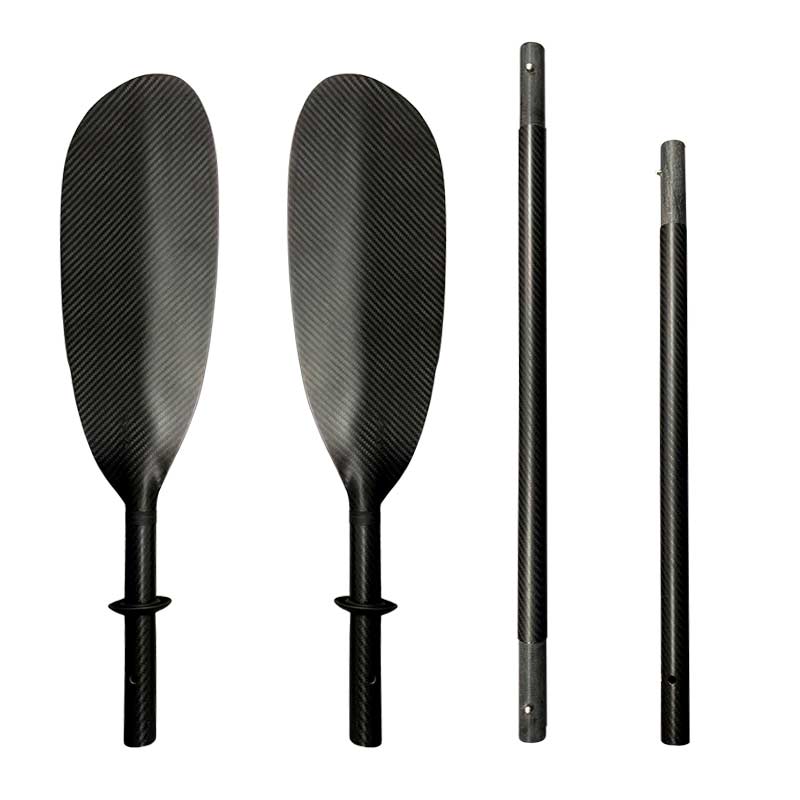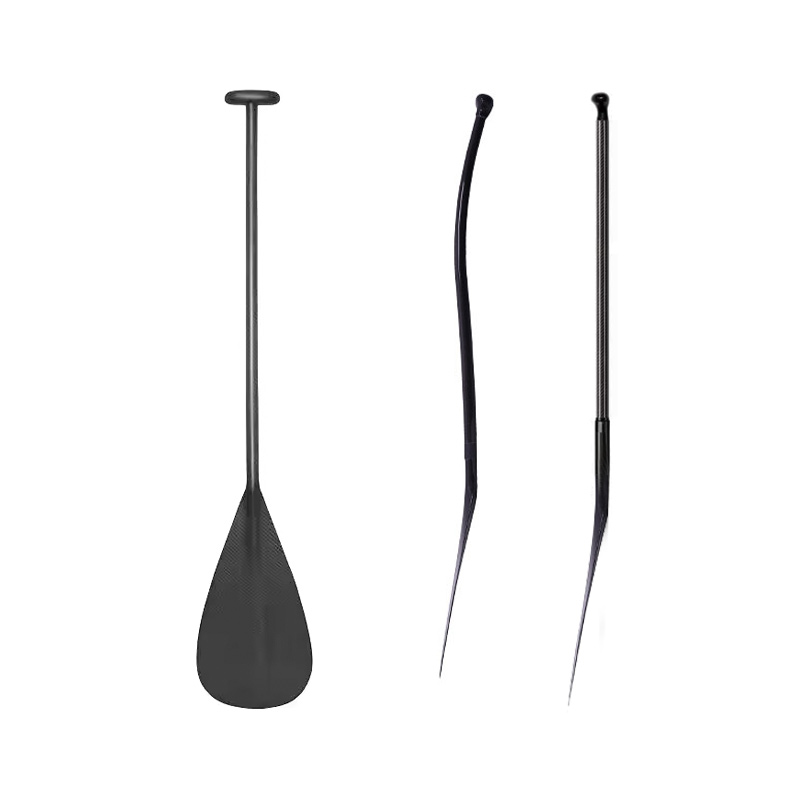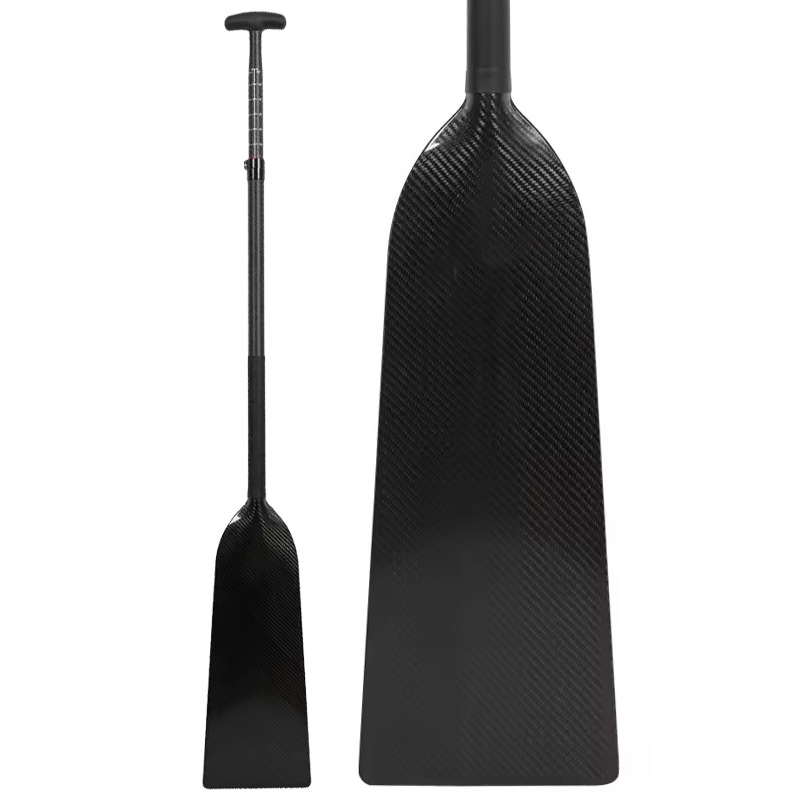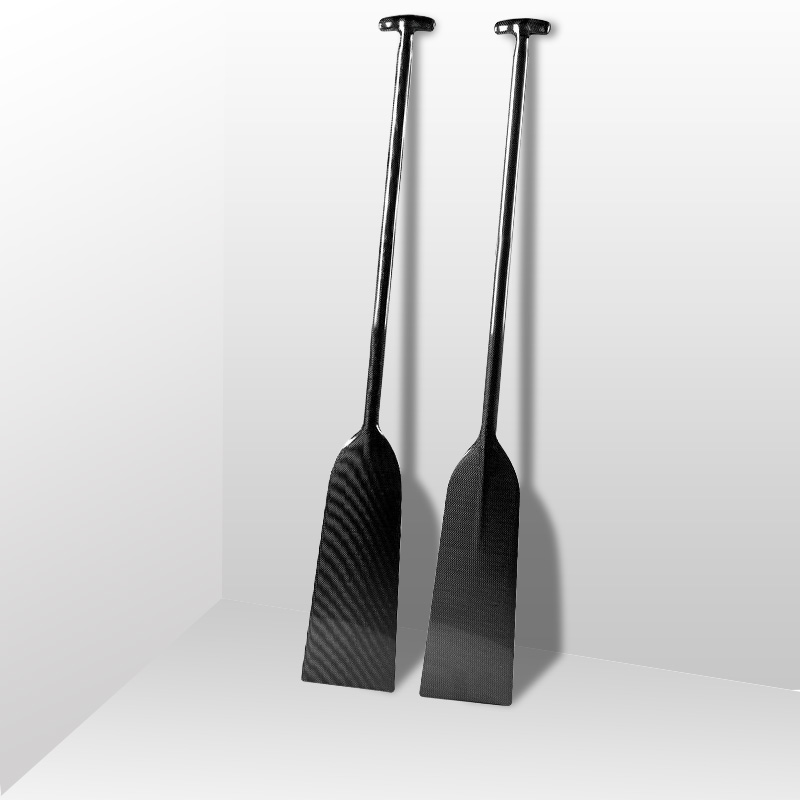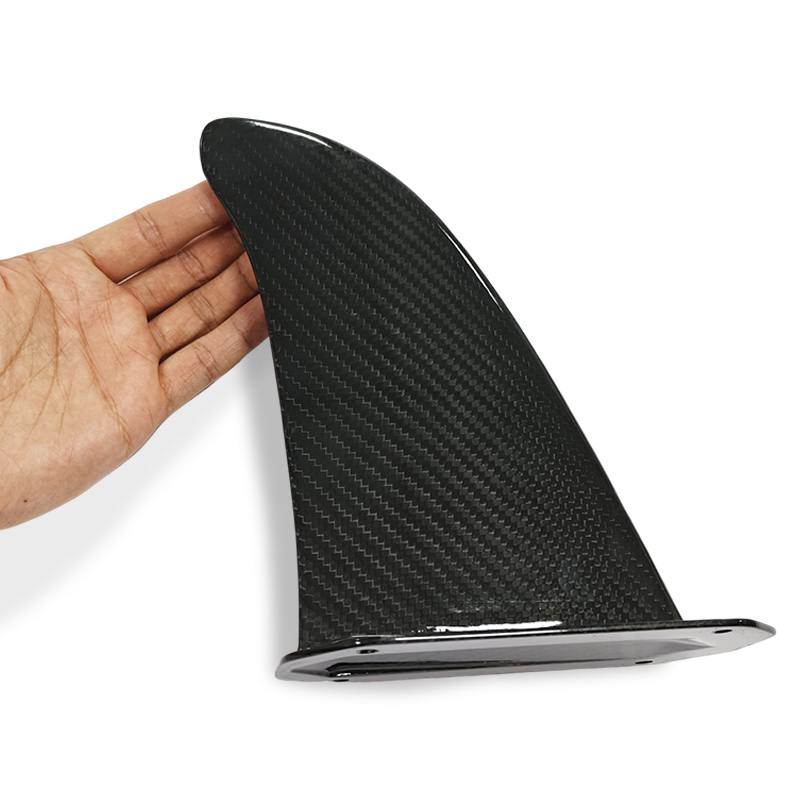
Whether you’re a weekend adventurer cruising serene lakes or a seasoned paddler navigating rivers and rapids, the paddle you choose shapes your entire canoeing experience. A good canoe paddle is more than just a tool — it’s your connection to the water. The right paddle boosts efficiency, reduces fatigue, improves comfort, and enhances control. In this complete guide, we’ll walk through everything you need to know to choose excellent Good Canoe Paddles with confidence.
If you are looking for a carbon canoe paddle manufacturer, please contact us to get a quote.
Why Choosing the Right Canoe Paddle Matters
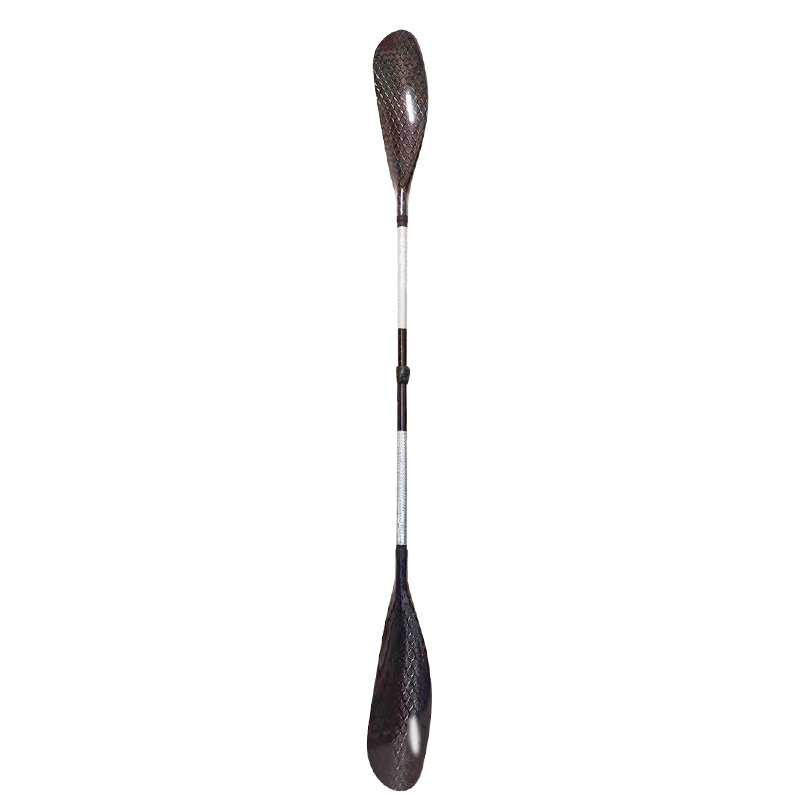
A Good Canoe Paddle is the primary instrument a paddler uses to propel and steer the canoe. Unlike kayak paddles (which have blades on both ends), canoe paddles have a single blade attached to a shaft with a grip at the top. The design and quality of the paddle directly affect your performance and comfort on the water.
Having a paddle that doesn’t fit your size or intended use can lead to inefficient strokes, quicker fatigue, and an overall less enjoyable trip. It can even affect safety in challenging conditions. Therefore, thoughtful selection grounded in body ergonomics, water type, and paddling style is essential.
Core Elements of Good Canoe Paddles
To choose good canoe paddles, you need to understand the key components that influence performance. These include:
1. Paddle Length
Paddle length is one of the most critical factors. It determines your reach, stroke mechanics, and overall comfort.
- General rule: The taller you are and the wider your canoe, the longer the paddle you need.
- Paddle lengths typically range from about 52 to 60 inches, but optimal sizing depends on posture (sitting vs. kneeling), canoe width, and personal biomechanics.
How to choose the right length:
- Stand or kneel in your canoe.
- Hold the paddle vertically.
- With one hand at the grip and the other along the shaft, your elbow should form a comfortable bend for efficient strokes.
Too short and you lose reach; too long and you waste energy lifting above water.
2. Paddle Materials
Material affects weight, strength, durability, price, and feel. Here’s how common paddle materials compare:
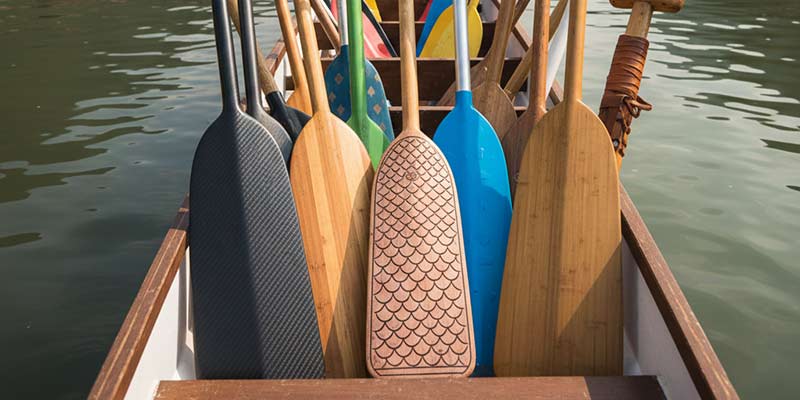
Wood
- Classic feel with natural flex.
- Offers warmth and a traditional aesthetic many canoeists love.
- Heavier than composite paddles but exceptionally durable if cared for properly.
Aluminum and Plastic
- Economical and durable.
- Often heavier but resistant to impact.
- Great for beginners or casual canoeing.
Fiberglass
- A balance of light weight and strength.
- Better performance than aluminum.
- Good choice for recreational and intermediate paddlers.
Carbon Fiber
- Ultralight and strong.
- Reduces fatigue and improves long‑distance efficiency.
- More expensive but ideal for serious paddlers and performance use.

3. Shaft Shape and Grip Style
The shaft and grip design play a huge role in comfort and stroke control.
Shaft Shape
- Round shafts are traditional and easy to turn in your hand.
- Oval or ergonomic shafts offer enhanced grip comfort and can reduce hand strain during long paddling sessions.
Grip Style
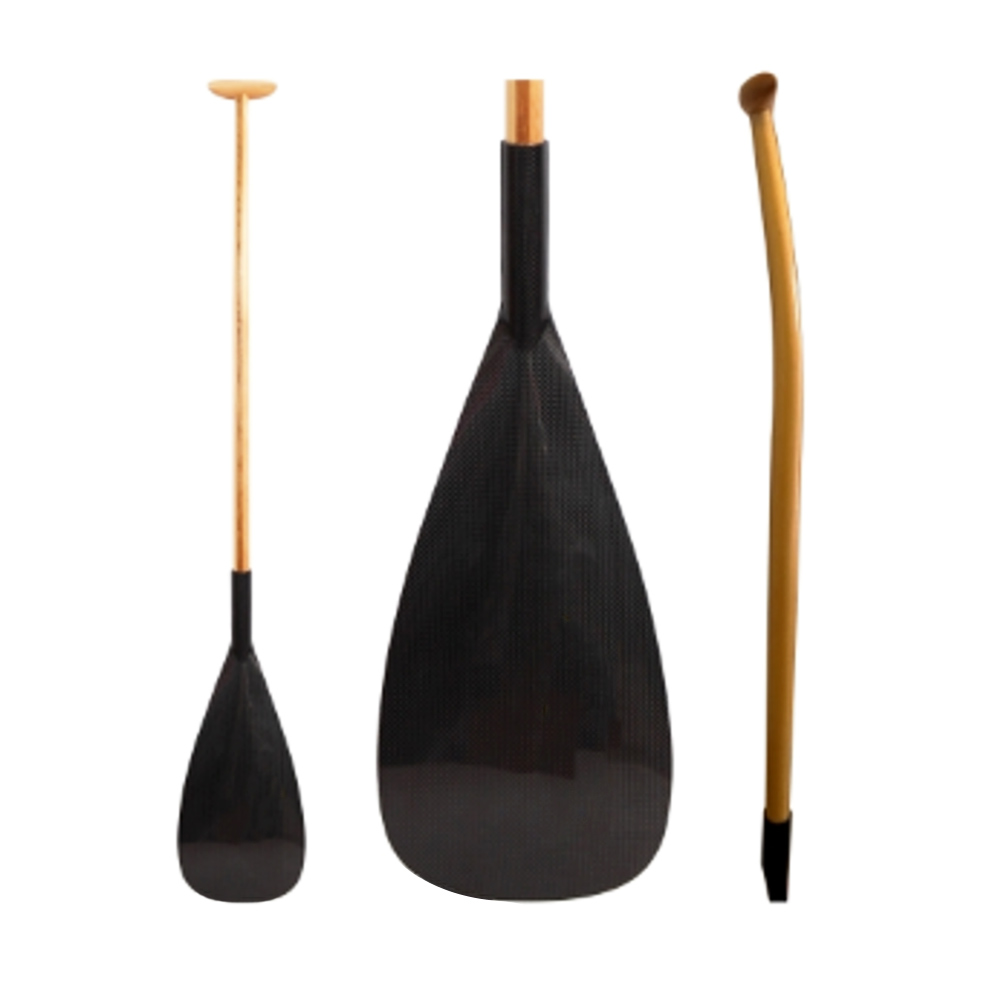
- T‑grip paddles offer excellent control, particularly useful in whitewater or technical paddling.
- Palm grips feel more natural for long flatwater trips and recreational outings.
Select the grip that matches your paddling style and hand size.
4. Blade Shape and Design
The blade of a canoe paddle affects propulsion and maneuverability.
Blade Sizes and Their Effects
- Wide blades deliver more power at each stroke, ideal for strong propulsion and slower steady rhythm.
- Narrow blades reduce resistance and are easier to stroke repeatedly over long distances.
Blade Shapes
- Beavertail blades are classic all‑purpose shapes suited for general use.
- Ottertail blades are narrower and provide precise tracking.
- Square or short blades are better for whitewater because they allow quick, powerful strokes without sinking too deep. from Paddling Magazine
Choose blade shape and size based on whether your priority is power, efficiency, control, or a blend of all three.
Matching Paddle to Canoeing Style
Selecting a Good Canoe Paddle also depends on how and where you plan to canoe:
Recreational Canoeing
- Usually done on calm lakes or gentle rivers.
- A mid‑length, lightweight paddle with an all‑purpose blade is ideal.
- Composite or fiberglass paddles offer a great balance of performance and cost.
Whitewater or River Canoeing
- Quick strokes and maneuverability are key.
- Shorter paddles with wider blades allow rapid corrective strokes and better control.
Touring and Long Trips
- Efficiency over time is critical.
- Lightweight carbon fiber paddles with ergonomic shafts and grips help minimize fatigue.
Weight, Balance, and Feel
Weight matters. A paddle that’s too heavy will tire you quickly, and imbalanced paddles can make every stroke feel awkward.
- Light paddles (especially carbon fiber) are easier on joints and ideal for extended paddling.
- Balanced paddles reduce strain and help with smooth stroke transitions.
- The feel of the paddle should feel natural in your hands, allowing you to paddle efficiently for hours without discomfort.
Always test the Good Canoe Paddle in person if possible — never underestimate the subjective feel.
Durability and Maintenance
Good canoe paddles are investments. Durability depends on materials and build quality:
- Wood paddles benefit from regular varnishing and careful storage.
- Composite paddles resist water damage but should be rinsed after saltwater use.
- Aluminum paddles are rugged but may feel heavier.
Protecting paddle blades (e.g., with blade guards) extends lifespan and performance.
Budget Considerations
A good canoe paddle doesn’t have to break the bank, but price often correlates with performance materials:
- Entry‑level options: Aluminum or wood paddles — durable and affordable.
- Mid‑range: Fiberglass or mixed composite — lightweight without premium pricing.
- High‑end: Carbon fiber — performance‑oriented and excellent for frequent paddlers.
Evaluate your paddling frequency before spending top dollar. Occasional users may not need the lightest premium paddle, while regular paddlers will benefit greatly from advanced materials.
How to Properly Size a Good Canoe Paddle
Use these practical methods to ensure your paddle fits your body and canoe setup:
Sit or Kneel Method
- Deep water paddling: Kneel and measure from chin to water.
- Shallow water paddling: Sit and measure from nose to water.
When measured correctly, the Good Canoe Paddle length ensures comfortable strokes and efficient propulsion.
Common Mistakes to Avoid
Even experienced paddlers make selection errors. Avoid these pitfalls:
- Choosing based purely on price.
- Ignoring personal height or canoe width.
- Focusing on looks over ergonomics.
- Over‑weighting blade size without considering stroke style.
Good Canoe Paddle balance technical specs with personal comfort and physical fit.

Good Canoe Paddle Brands & Models to Know
Choosing a Good Canoe Paddle from a trusted brand can ensure high quality and performance. Leading manufacturers focus on advanced materials and ergonomic designs, making paddling more efficient and comfortable. Here are some top brands and models to consider:
1. Bending Branches
Bending Branches is renowned for creating durable, lightweight paddles. Their craftsmanship and use of high-quality materials make them a top choice.
- Bending Branches Eclipse: A lightweight carbon fiber paddle designed for experienced paddlers, offering great responsiveness and efficiency.
- Bending Branches Beavertail: A classic, wooden paddle ideal for slow-moving water, providing powerful strokes.
2. Werner Paddles
Werner Paddles is famous for their innovative designs, focusing on performance, lightweight materials, and ergonomics.
- Werner Kalliste: A carbon fiber paddle that combines light weight and high stiffness for long paddling sessions.
- Werner Ikelos: A full-sized fiberglass-carbon paddle, perfect for those who need extra power.
3. Grey Owl Paddles
Grey Owl offers high-quality wood and composite paddles. They combine traditional designs with modern performance.
- Grey Owl Voyageur: A wooden paddle designed for long trips, providing powerful, efficient strokes.
- Grey Owl Guide: A fiberglass-reinforced paddle great for diverse conditions, offering reliability and control.
4. Carlisle Paddles
Carlisle produces affordable, durable paddles suitable for recreational paddlers.
- Carlisle Expedition: A fiberglass blade paddle that’s perfect for both beginners and intermediate users, offering comfort and durability.
- Carlisle Magic Plus: Lightweight and versatile, ideal for general-purpose paddling.
5. Aquabound
Aquabound is known for its lightweight, high-performance paddles at a reasonable price.
- Aquabound Stingray Carbon: A carbon fiber paddle designed for smooth, powerful strokes with minimal fatigue.
- Aquabound Manta Ray: A solid choice for recreational canoeing, offering comfort and durability.
6. Badger Paddles
Badger Paddles specializes in handcrafted wooden paddles that combine beauty and performance.
- Badger Paddles Midwestern: A lightweight, efficient wooden paddle, perfect for those who prefer a custom feel.
- Badger Paddles Northern Guide: A durable, powerful paddle ideal for fast-moving waters.
Summary: What Makes a Good Canoe Paddle?
A good canoe paddle should fit your height, canoe width, and paddling position, with materials and weight tailored to your specific use case. It should offer comfortable grips and an ergonomic shaft shape, while the blade design must match your stroke style and water conditions. Additionally, a quality paddle balances performance, durability, and cost. Selecting the right paddle enhances comfort, reduces fatigue, improves propulsion, and elevates your overall canoeing experience.