Aluminum hydrofoils have become one of the most popular entry points into the world of foiling. Whether you’re riding a surfboard, kiteboard, wing board, or e-foil, aluminum hydrofoil systems offer an ideal balance between durability, performance, and affordability. If you’re researching before buying, this article will help you make a confident decision.
What Is an Aluminum Hydrofoil?
An aluminum hydrofoil is a hydrofoil system where the mast (and often the fuselage) is made from marine-grade aluminum alloy instead of carbon fiber.
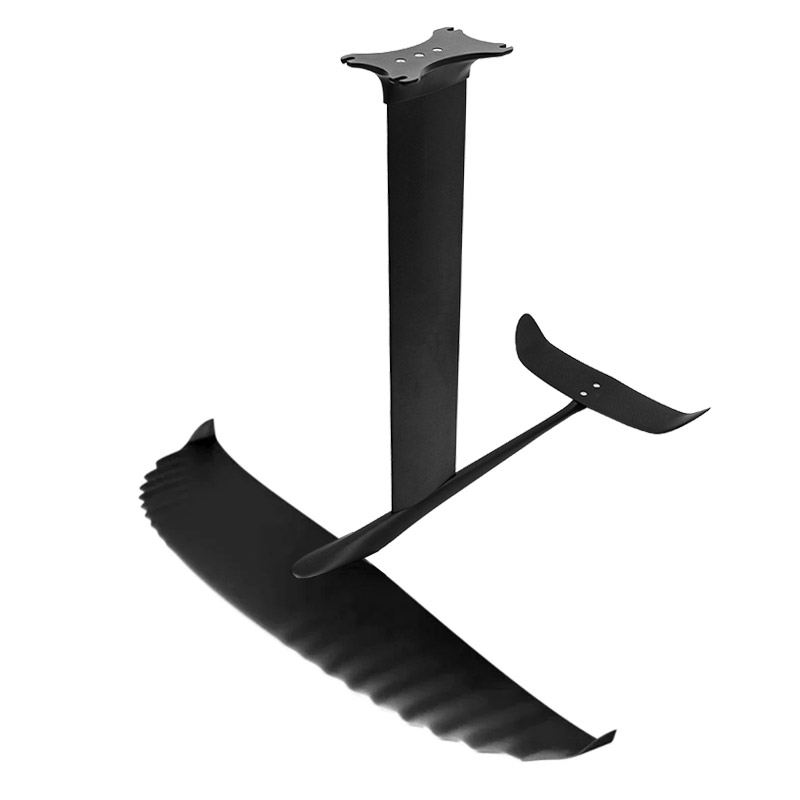
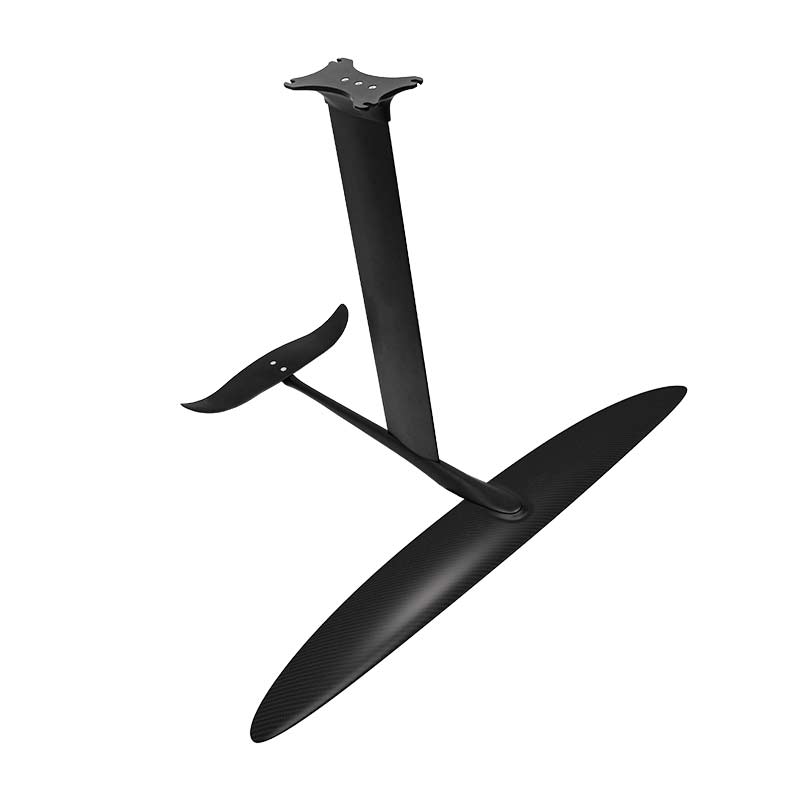
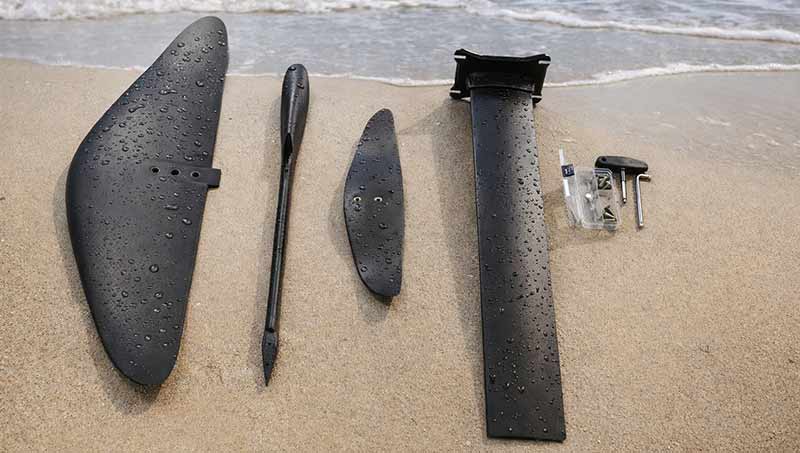
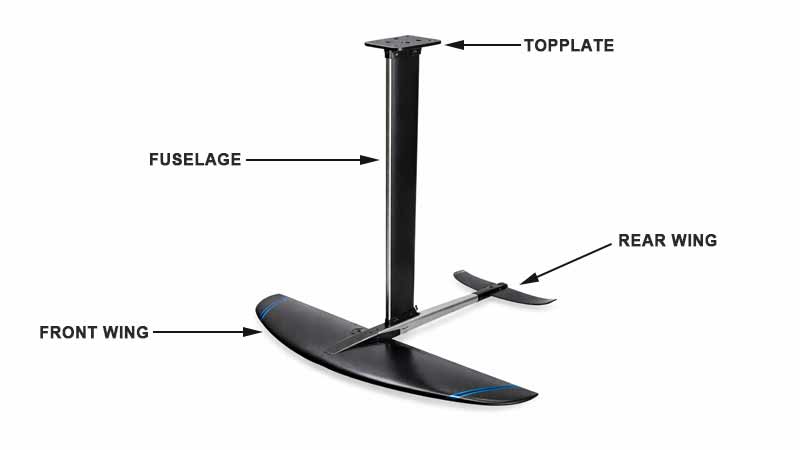
A hydrofoil consists of:
- Front wing – provides lift
- Rear stabilizer – provides control
- Mast – connects wings to the board
- Fuselage – connects front and rear wings
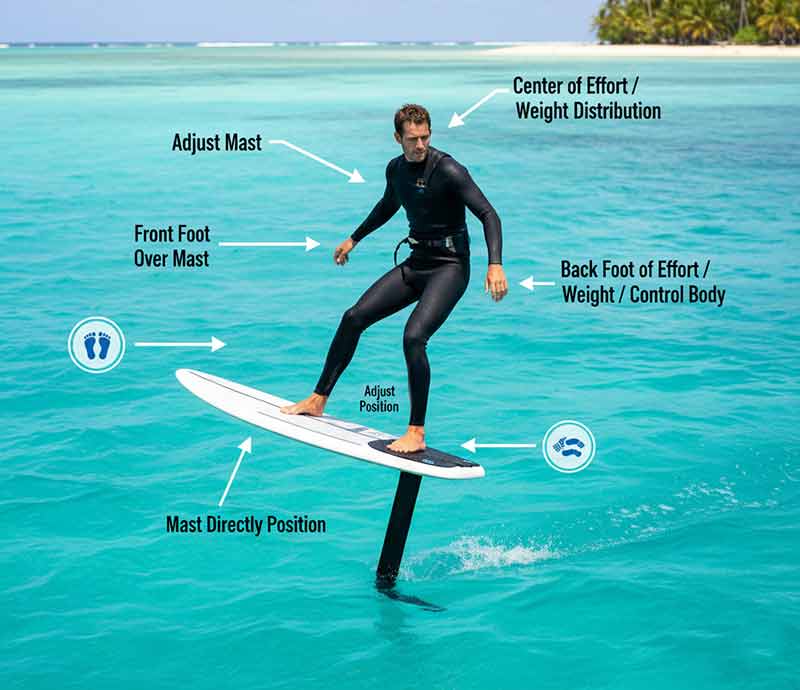
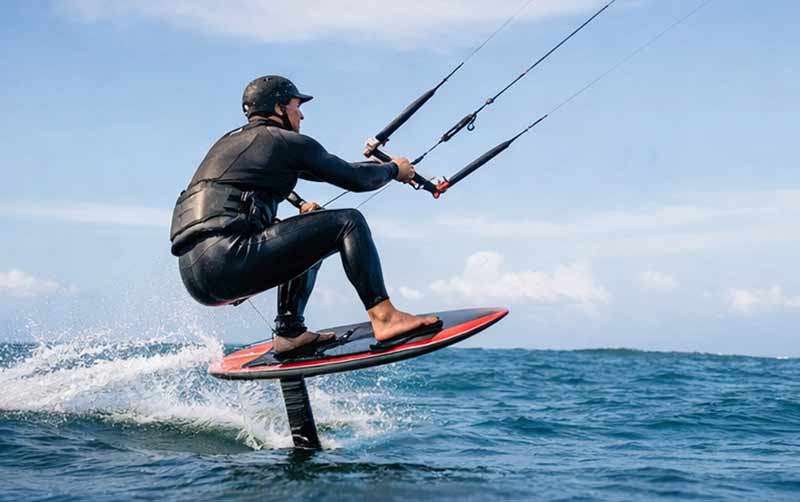
When the board gains speed, water flows over the front wing, generating lift and raising the board above the surface. Once lifted, drag decreases dramatically, allowing smooth and efficient riding.
Aluminum hydrofoils are commonly used in:
- Wing foiling
- Kite foiling
- Surf foiling
- Wake foiling
- Entry-level e-foils
If you want to know more about what hydrofoil surfing is, please check the link.
How an Aluminum Hydrofoil Works
The principle behind hydrofoils is hydrodynamic lift — similar to how airplane wings generate lift in air, but in a much denser medium: water.
As the board moves forward, water flows over and under the foil’s wing profile. Because the top surface is curved, water travels faster across it than underneath. According to fluid dynamics principles, faster-moving water creates lower pressure. This pressure difference between the upper and lower surfaces generates upward force, known as lift.
As speed increases, lift increases rapidly. Once lift exceeds the combined weight of the rider, board, and foil system — along with water resistance — the board rises above the surface. This dramatically reduces drag, since only the mast and wings remain submerged. The result is a smooth, efficient, and almost frictionless ride.
Key performance factors include:
- Wing surface area – Larger wings create lift at lower speeds; smaller wings require more speed but allow higher top speeds.
- Aspect ratio – Higher aspect foils glide more efficiently; lower aspect foils are more stable and easier to turn.
- Mast length – Longer masts allow higher ride height and better performance in choppy water; shorter masts are more forgiving for beginners.
- Foil profile (shape) – Thicker profiles generate earlier lift; thinner profiles are optimized for speed.
- Rider weight – Heavier riders need more lift, often requiring larger wings.
- Water conditions – Chop, swell, and current all affect stability and required lift.
Aluminum hydrofoils do not change how foils function — the difference lies in material characteristics such as stiffness, weight, and corrosion resistance.
Why Choose an Aluminum Hydrofoil?
Aluminum hydrofoils are popular for several practical reasons.
1. Affordability
Aluminum systems typically cost significantly less than full carbon hydrofoils. This makes them ideal for:
- Beginners
- Recreational riders
- Schools and rental centers
- Budget-conscious buyers
2. Durability
Marine-grade anodized aluminum is:
- Impact resistant
- Strong under load
- Less prone to catastrophic failure
For riders learning and crashing often, aluminum is forgiving.
3. Modular Design
Many aluminum hydrofoil systems use modular connections, allowing you to:
- Swap front wings
- Change mast lengths
- Upgrade stabilizers
- Transition from beginner to advanced setups
This adaptability makes aluminum systems versatile.
4. Stability for Learning
Because aluminum masts are slightly heavier and sometimes slightly more flexible than carbon, they can feel more stable for beginners.
Aluminum vs Carbon Hydrofoil
One of the most common questions for new and experienced riders alike is whether to choose an aluminum or carbon hydrofoil. Both materials offer distinct advantages and are suited for different riding styles, budgets, and priorities. Here’s a detailed comparison:
| Feature | Carbon Hydrofoil | Aluminum Hydrofoil | Notes |
|---|---|---|---|
| Weight | Lighter | Slightly heavier | Carbon foils reduce carrying fatigue, but during riding the difference is minimal for most recreational users. |
| Stiffness | Extremely stiff | Slightly less stiff | Carbon’s rigidity allows higher speed and sharper turns. Aluminum offers more forgiving flex, improving stability for beginners. |
| Price | Expensive | Budget-friendly | Carbon foils can cost 2–3× more. Aluminum provides excellent performance at a lower investment. |
| Durability | Strong but brittle under impact | Highly impact resistant | Carbon may crack or chip when hitting hard objects; aluminum can bend slightly but rarely breaks. |
| Maintenance | Corrosion-resistant | Needs rinsing after use | Aluminum requires proper care in saltwater to prevent oxidation; carbon generally resists corrosion entirely. |
| Repairability | Difficult and expensive | Easier and cheaper | Aluminum can often be bent back or repaired locally; carbon repairs need specialized service. |
Summary:
- For high-performance riders or racers, carbon is preferred due to its light weight, high stiffness, and precision handling.
- For most recreational riders, aluminum hydrofoils strike the best balance between performance, durability, and cost. They are easy to maintain, forgiving on impacts, and provide a smooth ride without breaking the bank.
This clear side-by-side comparison helps buyers make an informed decision based on their skill level, riding goals, and budget. If you want to customize a hydrofoil, please contact us to get a quote.
Types of Aluminum Hydrofoils
Different riding styles require different foil designs.
Wing Foil Aluminum Systems
Designed for:
- Early lift
- Stability
- Low-speed efficiency
Usually feature:
- Larger front wings
- Medium aspect ratios
Kite Foil Aluminum Systems
Designed for:
- Higher speeds
- Maneuverability
- Thinner foil profiles
Typically:
- Smaller wings
- Longer masts
Surf Foil Aluminum Systems
Optimized for:
- Pumping
- Wave connection
- Turning
Often:
- Mid-size wings
- Balanced aspect ratio
Wake Foil Aluminum Systems
Designed for:
- Boat speeds
- Controlled lift
- Smooth tracking
Key Features to Consider Before Buying
Choosing the right aluminum hydrofoil involves understanding several key components. Each factor affects performance, handling, and overall riding experience.
1. Mast Length
| Mast Length | Characteristics | Best For |
|---|---|---|
| Short (60–70 cm) | Easier to control, less intimidating for first-time riders | Beginners, flatwater cruising |
| Medium (75–85 cm) | Offers a good balance between stability and maneuverability | Most riders, versatile conditions |
| Long (90+ cm) | Allows higher ride above water, better performance in choppy or rough water | Advanced riders, wave or offshore conditions |
2. Front Wing Size
| Mast Length | Characteristics | Best For |
|---|---|---|
| Short (60–70 cm) | Easier to control, less intimidating for first-time riders | Beginners, flatwater cruising |
| Medium (75–85 cm) | Offers a good balance between stability and maneuverability | Most riders, versatile conditions |
| Long (90+ cm) | Allows higher ride above water, better performance in choppy or rough water | Advanced riders, wave or offshore conditions |
3. Aspect Ratio
| Aspect Ratio | Performance | Notes |
|---|---|---|
| Low aspect | Stable, easy to turn | Better for beginners or riders prioritizing control |
| High aspect | Efficient glide, less drag | Ideal for advanced riders, speed-focused riding |
4. Connection System
A secure and precise connection between the mast, fuselage, and wings is critical:
- CNC precision machining ensures all components fit perfectly.
- Tight tolerances prevent wobble and unnecessary drag.
- Anti-corrosion hardware increases longevity, especially in saltwater.
- Stainless steel or titanium bolts offer strength without rust.
Performance Expectations
Many new riders ask:
“Is aluminum hydrofoil performance enough?”
For recreational use — absolutely.
Modern aluminum hydrofoils offer:
- Smooth lift
- Stable ride
- Good carving ability
- Efficient glide
Only elite racers or advanced freestyle riders may require full carbon setups.
Maintenance Tips for Aluminum Hydrofoils
To extend lifespan:
- Rinse with fresh water after each use
- Disassemble occasionally
- Apply marine grease to bolts
- Avoid storing wet
- Check for galvanic corrosion
Proper care can allow an aluminum hydrofoil to last many years.
Common Mistakes When Buying
Choosing Too Small a Wing
Beginners often underestimate required lift. Larger wings help learning.
Ignoring Mast Compatibility
Make sure the mast plate matches your board track system.
Mixing Brands Without Compatibility
Not all fuselage systems are interchangeable.
Buying Based on Price Alone
Extremely cheap hydrofoils may lack structural precision.
Who Should Buy an Aluminum Hydrofoil?
Ideal for:
- First-time foilers
- Intermediate riders
- Budget buyers
- Multi-discipline riders
- Schools and rental businesses
Less ideal for:
- Professional racers
- Extreme freestyle competitors
Environmental Conditions and Aluminum Hydrofoils
Aluminum performs well in:
- Ocean saltwater (with maintenance)
- Lakes
- Rivers
- Cold water
- Warm tropical climates
Anodized coatings protect against corrosion, but rinsing is essential in saltwater.
Future of Aluminum Hydrofoil Technology
Recent improvements include:
- CNC precision machining
- Hybrid carbon front wings + aluminum mast
- Improved anodizing techniques
- Modular platform designs
Aluminum hydrofoils are no longer just “entry-level” — many advanced riders now use them confidently.

Frequently Asked Questions
Is an aluminum hydrofoil good for beginners?
Yes. It offers durability, affordability, and modular growth potential.
Does aluminum corrode?
It can oxidize, especially in saltwater, but proper maintenance prevents damage.
Is aluminum hydrofoil slower than carbon?
Not significantly for recreational use. Only competitive racing highlights the difference.
Can I upgrade parts later?
Most modular systems allow upgrading wings and masts.
How long does an aluminum hydrofoil last?
With care, 3–7+ years depending on usage.
Final Thoughts
An aluminum hydrofoil is one of the smartest investments for anyone entering or progressing in foiling sports.
It provides:
- Strong performance
- Affordable pricing
- Modular flexibility
- High durability
Unless you are competing at elite racing levels, aluminum hydrofoils deliver everything most riders need.
If you’re considering your first foil setup, aluminum offers the perfect balance between learning curve, performance, and long-term value.