If you are searching for the best whitewater kayak beginner advice, you are probably asking the same questions almost every new paddler asks: What kind of kayak should I buy? What rapids are safe to start on? What skills matter most? And how do I avoid making expensive or dangerous mistakes?
This guide is built to answer all of those questions in one place.
Whitewater kayaking is one of the most exciting ways to experience rivers, but it has a steep learning curve. The right beginner setup can make the sport more approachable, safer, and much more fun. The wrong setup can leave you uncomfortable, frustrated, and underprepared. That is why choosing the right beginner whitewater kayak is not just about price. It is about stability, fit, forgiveness, safety, and how quickly the boat helps you build confidence.
In this guide, you will learn what a beginner-friendly whitewater kayak looks like, how river difficulty works, what gear you actually need, which foundational paddling skills matter most, and how to progress without rushing into water above your level. You will also get a practical plan for your first 30 days, a checklist for buying a used kayak, and a simple benchmark for deciding when you are ready to move beyond beginner whitewater.
What Is a Whitewater Kayak?
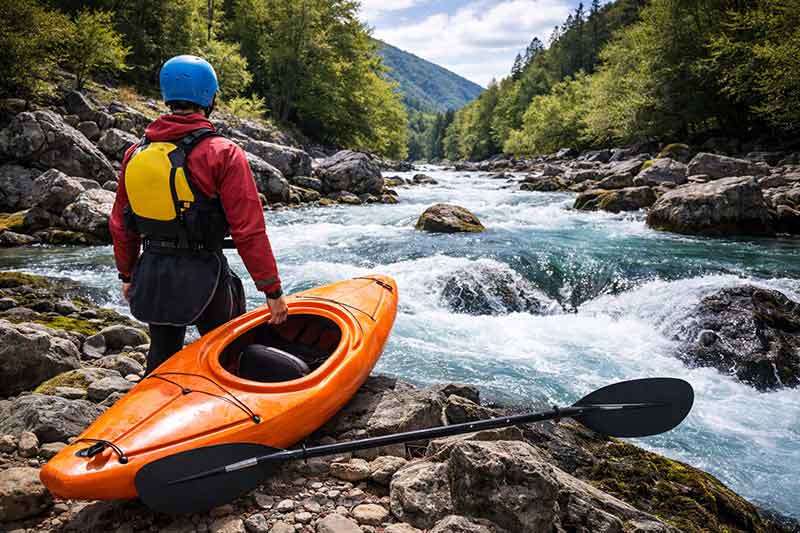
A whitewater kayak is a short, highly maneuverable kayak designed for moving water, rapids, eddies, holes, and river features. Unlike recreational kayaks or touring kayaks, whitewater kayaks are built to turn quickly, handle turbulent water, and stay durable when they hit rocks.
For a whitewater kayak beginner, the most important thing to understand is this: not every whitewater kayak is beginner-friendly. Some are designed for playboating and tricks. Others are built for steep creeks or advanced river running. A beginner usually needs a boat that feels stable, resurfaces predictably, forgives mistakes, and has comfortable outfitting.
Many beginner-focused articles emphasize stability, ease of control, forgiving hull design, and a confidence-building fit, which is exactly what a first-time buyer should prioritize. (The Adventure Junkies)
Understanding River Classes Before You Buy
Before choosing your first whitewater kayak, you need to understand river difficulty.
The International Scale of River Difficulty rates rivers from Class I to Class VI. For beginners, Class I and easy Class II are the normal learning zones. Class III often requires stronger boat control, more reliable eddy catching, and better decision-making. American Whitewater notes that the scale is only a rough guide because difficulty changes with water level, local hazards, weather, and river-specific conditions.
Here is the beginner-friendly version:
Class I
Moving water with small riffles and very few hazards. This is where absolute beginners start learning balance, strokes, and boat feel.
Class II
Straightforward rapids with clear channels. This is the ideal skill-building level for most whitewater kayak beginners.
Class III
Moderate, irregular waves and more complex maneuvers. New paddlers should not rush here too early.
Class IV to VI
Advanced to extreme whitewater, not suitable for beginners.
A common mistake is shopping for a boat based on ambition instead of actual paddling level. Your first kayak should fit the water you will paddle in the next 6 to 12 months, not the hardest river you dream of paddling one day.
What Makes the Best Beginner Whitewater Kayak?
The best beginner whitewater kayak usually has five things:
1. Good Primary Stability
You want a kayak that does not feel twitchy every second you sit in it. A stable platform helps you focus on technique instead of panic.
2. Forgiving Edges
Aggressive edges can improve carving and performance, but they can also punish bad lean angles. Beginners usually do better with softer or more forgiving edges.
3. Easy Resurfacing
A beginner boat should pop back up predictably after drops, waves, or mistakes. That builds confidence quickly.
4. Comfortable Outfitting
A snug fit matters. REI’s paddling advice notes that your knees should contact the cockpit while still allowing you to exit safely if you capsize. (REI)
5. Durable Construction
Whitewater kayaks take abuse. Your first kayak should be tough enough to survive rock hits and beginner errors.
In most buying guides, beginner-friendly options are described as river runners, river-running creek boats, or forgiving all-around designs rather than aggressive playboats.
Types of Whitewater Kayaks for Beginners
Choosing the right type matters more than obsessing over one exact model.
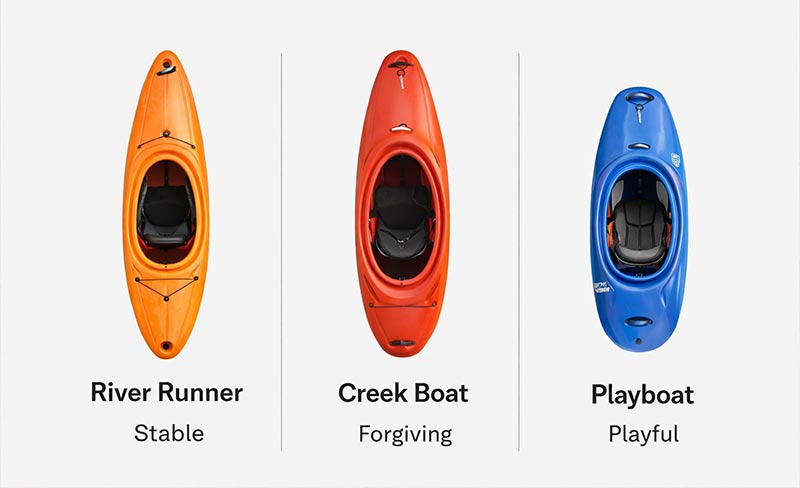
River Runner
This is often the best category for a whitewater kayak beginner. River runners balance stability, speed, control, and forgiveness. They help you learn eddy turns, ferrying, peeling out, and basic line choice.
Creek Boat
Creek boats have more volume and a forgiving feel. Some beginners like them because they feel safe and stable, especially on steeper rivers. However, they can sometimes hide bad technique because they are so forgiving.
Half-Slice
These are fun, modern kayaks with more playful sterns. Some lower-intermediate paddlers love them, but they are not always the easiest first choice for a complete beginner.
Playboat
Playboats are designed for surfing and freestyle moves. They are not usually the best first whitewater kayak for someone still learning basic river running.
For most new paddlers, a river runner or forgiving creek-style river runner is the sweet spot.
How to Choose Your First Whitewater Kayak
Choosing your first whitewater kayak as a beginner can feel overwhelming because there are dozens of models, sizes, and designs available. However, if you focus on a few key factors, the decision becomes much clearer. When comparing beginner whitewater kayaks, use the checklist below to make a confident and practical choice.
Match the Weight Range
One of the most overlooked factors for a whitewater kayak beginner is the manufacturer’s recommended paddler weight range. Every kayak is designed with a specific volume distribution, which directly affects how it sits in the water and how it performs.
- If you are under the weight range, the kayak will ride too high, feel overly loose, and become harder to control in current.
- If you are over the weight range, the kayak will sit too low, making it sluggish, harder to resurface, and more likely to get pushed around by water.
For beginners, staying in the middle of the recommended range is ideal. This gives you the best balance of stability, responsiveness, and forgiveness.
Also consider:
- Gear weight (helmet, water, clothing)
- Seasonal differences (drysuit vs summer gear)
A properly sized kayak will feel predictable. An improperly sized one will fight you every step of the way.
Sit in the Boat Before Buying
A whitewater kayak is not just something you sit in—it is something you wear.
Even the best beginner kayak can feel uncomfortable or uncontrollable if the outfitting does not match your body. That is why physically sitting in the boat before buying is strongly recommended.
Pay close attention to:
Hip Pads
- Should feel snug but not tight
- Help transfer movement from your body to the kayak
Thigh Braces
- Your thighs should make solid contact
- This is critical for edging, rolling, and control
Backband
- Should support your lower back without restricting movement
- Too loose = poor posture, too tight = discomfort
Foot Braces / Bulkhead
- Your feet should be firmly planted
- Slight knee bend improves control and comfort
A good fit improves:
- Boat control
- Balance
- Rolling ability
- Safety during wet exits
A bad fit leads to:
- Fatigue
- Poor technique
- Increased chance of flipping
For a beginner, proper outfitting can make a bigger difference than the kayak model itself.
Think About Your Local Rivers
Your first kayak should match the type of water you will paddle most often, not the water you hope to paddle someday.
Ask yourself:
- Are your local rivers mostly Class I–II?
- Do you have access to whitewater parks or artificial courses?
- Are there rocky, technical rivers nearby?
- Will you paddle low-volume creeks or wider rivers?
For example:
- Class I–II rivers → stable river runner is ideal
- Beginner-friendly Class II–III → forgiving river runner / creek hybrid
- Whitewater parks → you might prefer a slightly more playful design
- Rocky, technical rivers → durability and rocker become more important
Choosing a kayak that matches your real environment will help you:
- Progress faster
- Build confidence
- Avoid frustration
A common mistake is buying a boat that is too advanced for your local conditions, which slows learning rather than improving it.
Buy for Learning, Not Ego
It is tempting to buy a kayak that looks fast, aggressive, or “advanced.” However, for a whitewater kayak beginner, performance should always come after control and confidence.
The best beginner kayak is one that:
- Forgives mistakes
- Feels stable in current
- Helps you learn proper technique
- Builds confidence quickly
Not necessarily one that:
- Is used by experts
- Is the newest model
- Has the sharpest edges or fastest hull
A more forgiving kayak allows you to:
- Focus on reading water
- Improve strokes and edging
- Stay relaxed in rapids
An overly aggressive kayak can:
- Punish small mistakes
- Increase fear and hesitation
- Slow down your progression
In whitewater kayaking, confidence compounds over time. The right beginner kayak accelerates that process.
Consider Used First
Many experienced paddlers recommend that beginners start with a used whitewater kayak, and for good reason.
As a beginner, your preferences will change quickly during your first season. What feels perfect now may feel limiting after a few months of real river experience.
Buying used allows you to:
- Save money
- Test different kayak styles
- Upgrade later with better knowledge
The used market is especially strong for:
- River runners
- Beginner-friendly creek boats
- Proven, older designs
These boats are widely available because many paddlers upgrade over time.
Essential Whitewater Kayak Gear for Beginners
A kayak is only part of the system. Safe beginner paddling also depends on the right gear.
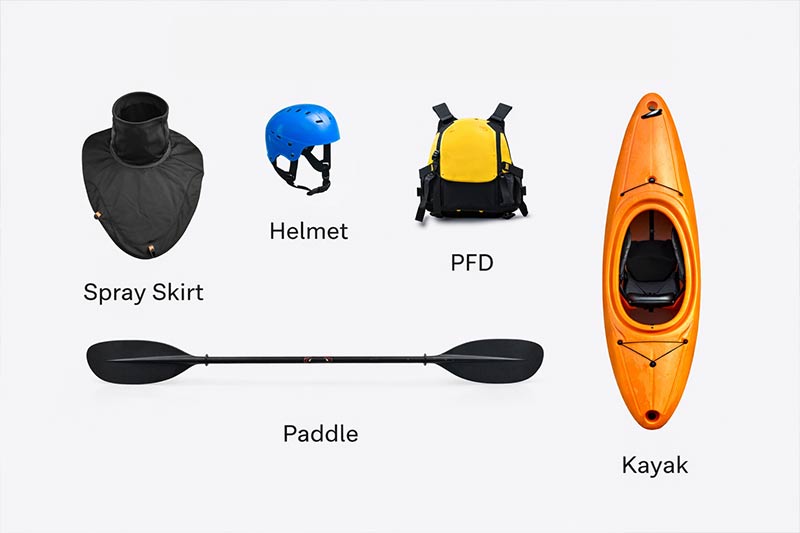
Helmet
Use a helmet designed specifically for whitewater. Protection and fit both matter.
PFD
A properly fitted whitewater personal flotation device is non-negotiable.
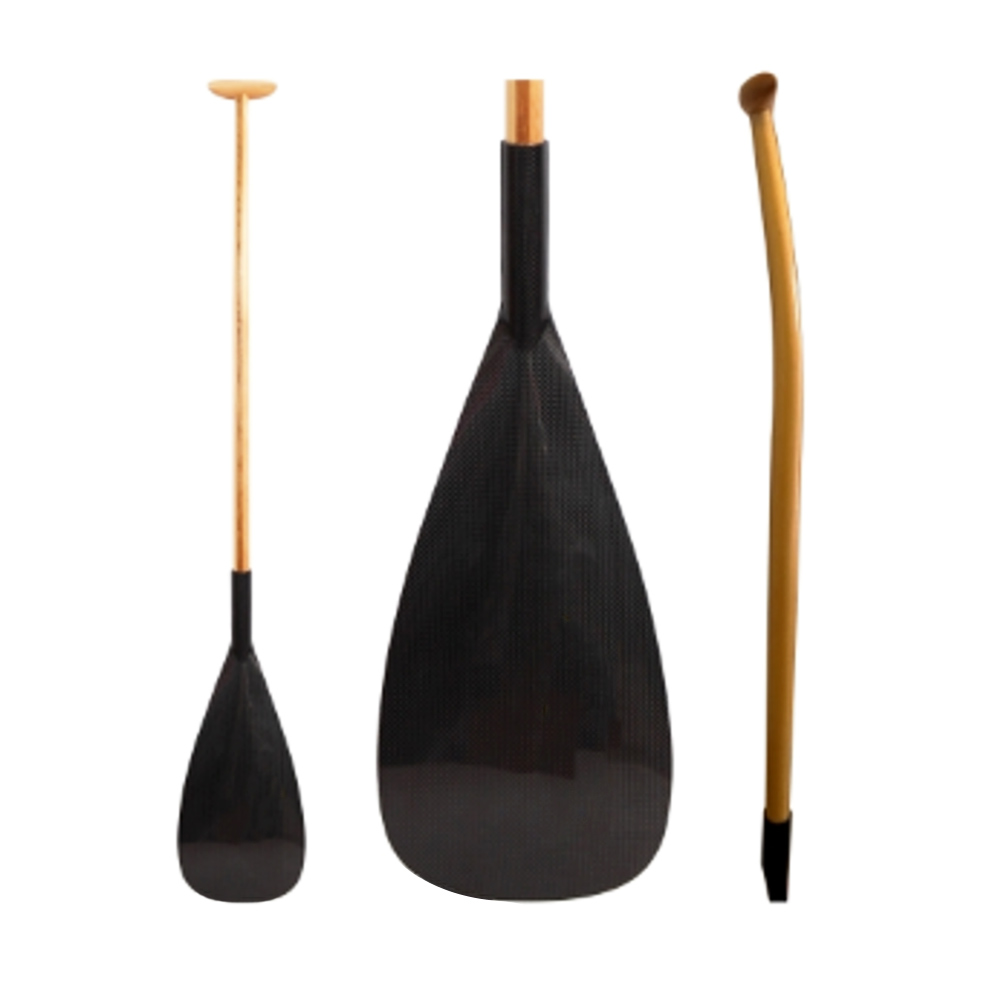
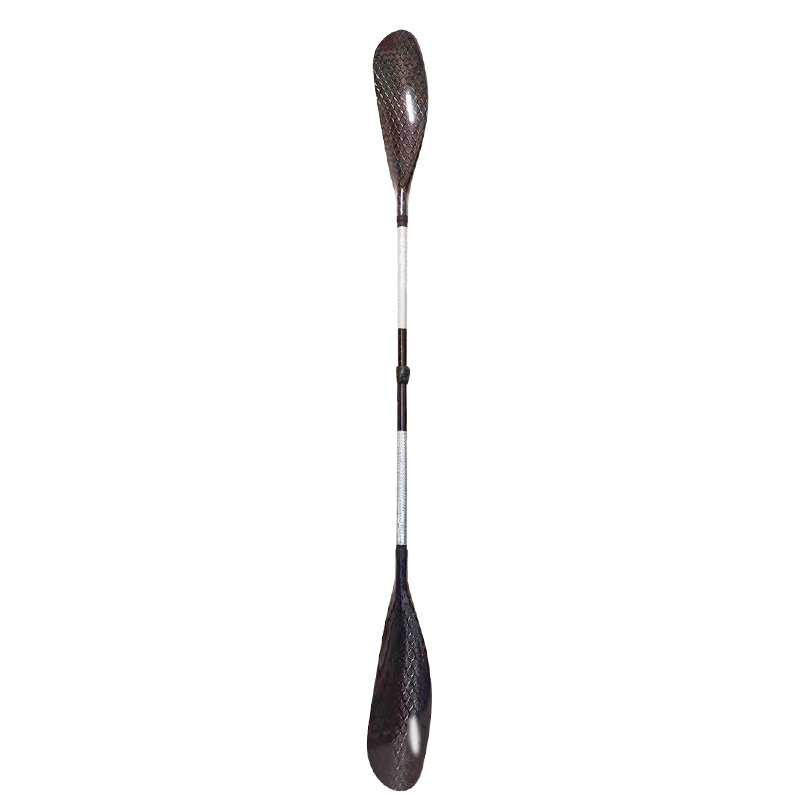
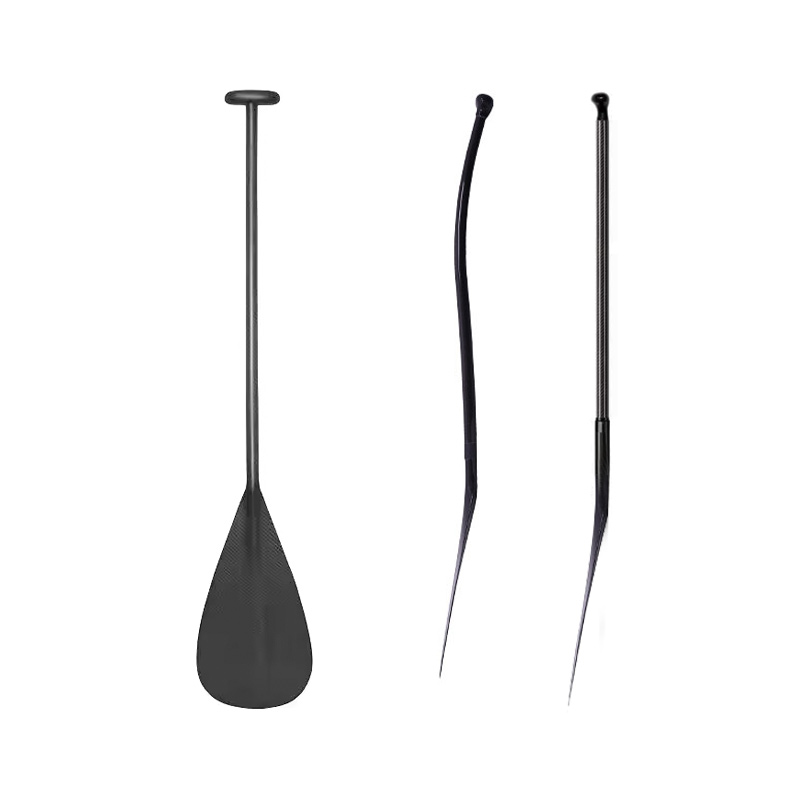
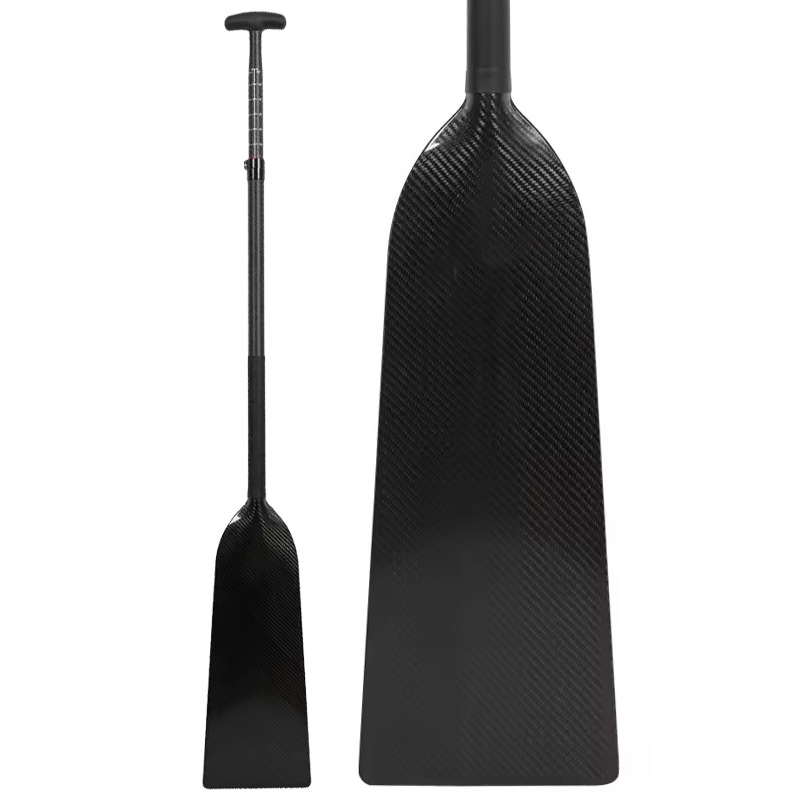
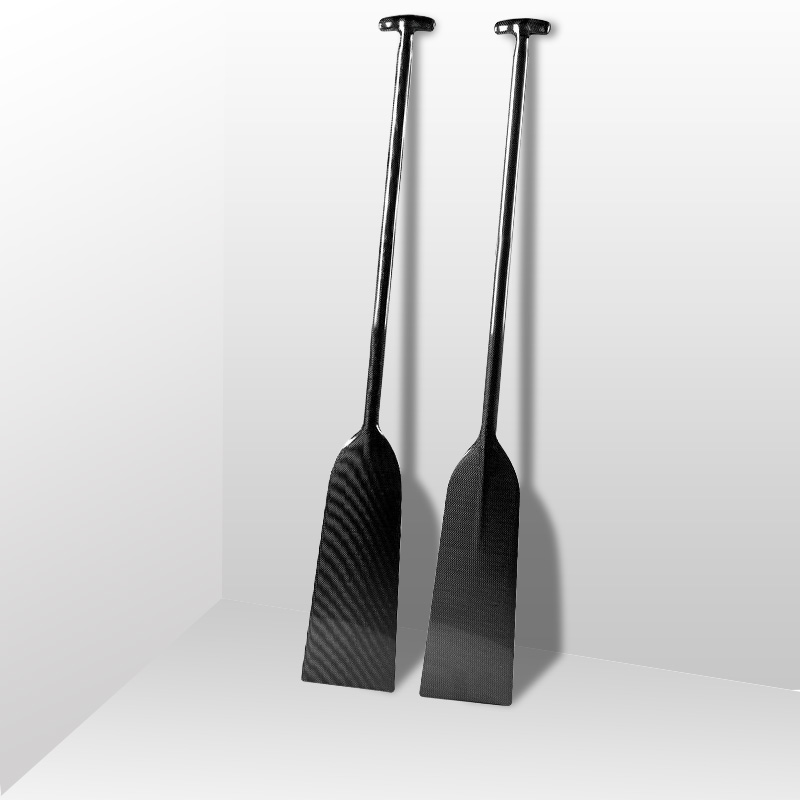
Paddle
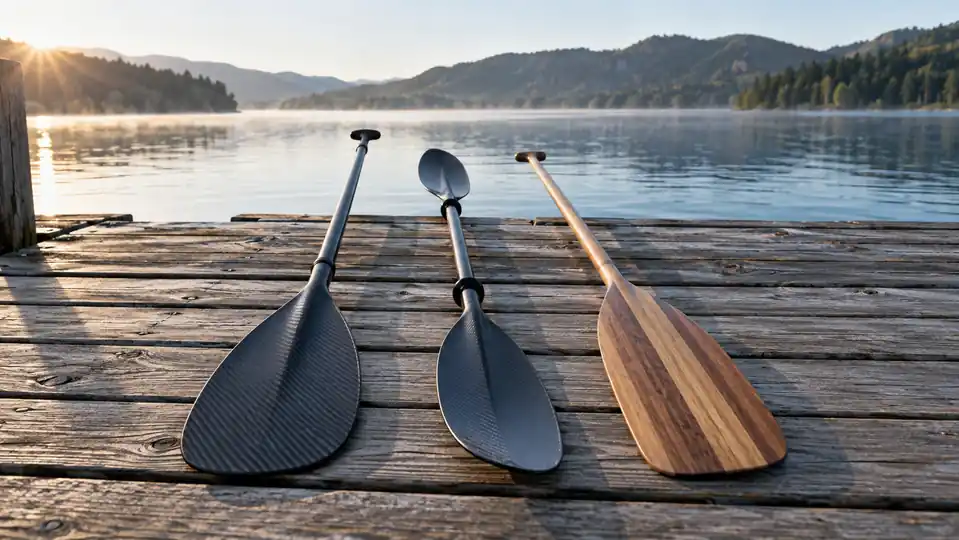
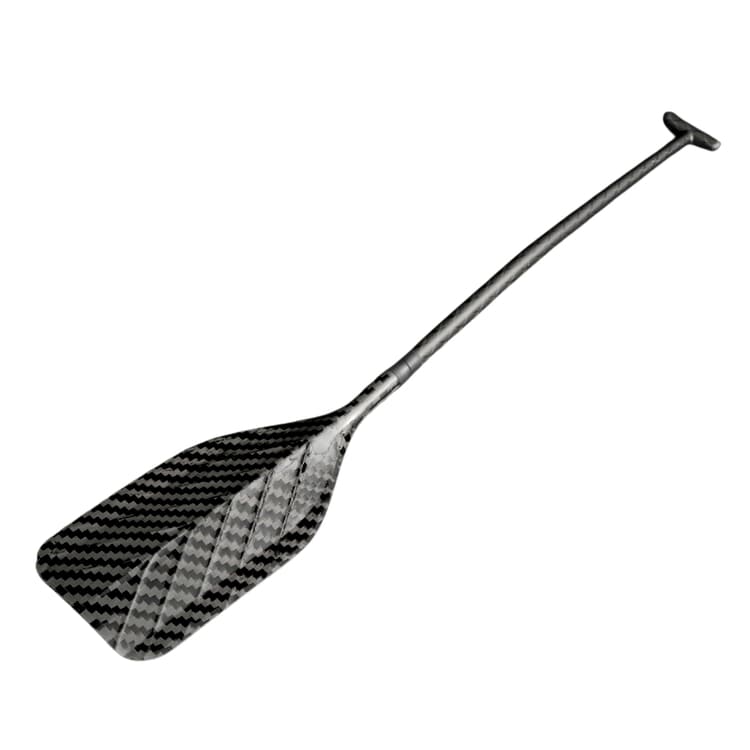
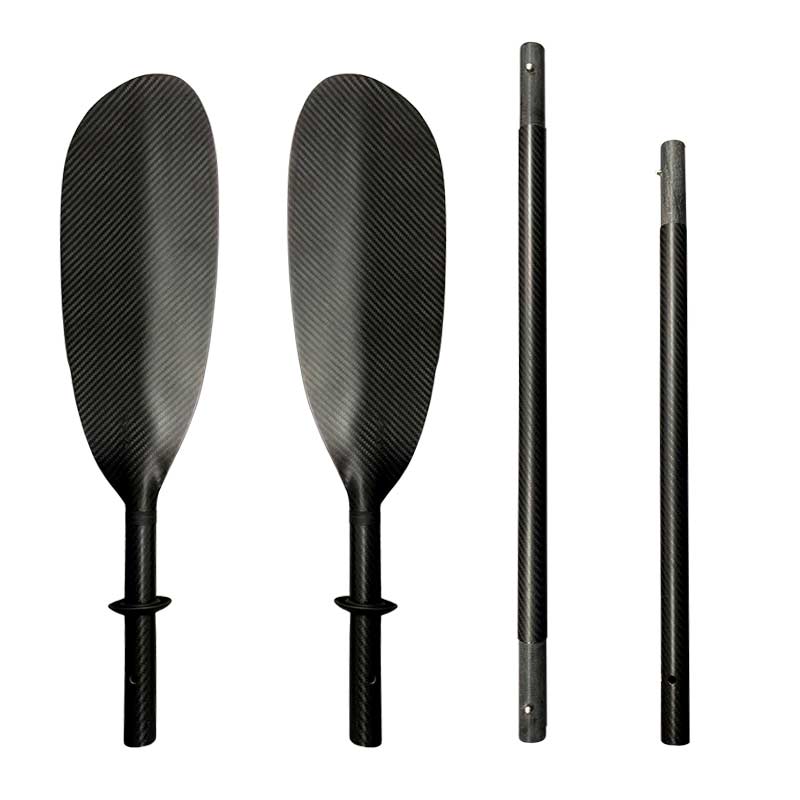
A whitewater paddle should feel strong, responsive, and the right length for your size and paddling style.
Spray Skirt
A good spray skirt keeps water out and helps maintain control in rapids.
Appropriate Clothing
Dress for water temperature, not air temperature. Depending on conditions, that may mean a wetsuit, dry top, drysuit, splash gear, and river shoes.
Throw Rope and Rescue Basics
Even beginners should understand what a throw rope is, how group safety works, and why paddling with experienced partners matters. American Whitewater emphasizes that conditions can change quickly and that additional local information is always necessary beyond a basic rating.
Essential Whitewater Kayaking Skills Every Beginner Should Learn
A beginner does not need fancy freestyle tricks. They need dependable basics.
Forward Stroke
Your forward stroke gives you movement, momentum, and line control.
Sweep Stroke
This helps turn the kayak efficiently.
Draw Stroke
Useful for moving sideways and refining position.
Bracing
A low brace and basic high brace awareness can save you from flipping.
Edging
Learning how to tilt the kayak intentionally is a huge step forward in whitewater control.
Ferrying
Ferrying lets you cross current without being pushed too far downstream.
Eddy Turns and Peel Outs
These are core whitewater river-running skills.
Wet Exit
Every beginner must know how to stay calm, pull the spray skirt, and exit safely if upside down.
Basic Roll Progression
A roll is incredibly valuable, but it should not replace strong fundamentals. Many beginners spend too much time obsessing over rolling before they understand edging, bracing, and boat control.
Common Beginner Mistakes to Avoid
Nearly every beginner makes some version of these mistakes:
Starting on Water That Is Too Hard
Progression beats adrenaline. Stay on easier runs longer than your ego wants.
Buying the Wrong Boat Category
A playful or highly specialized kayak can slow learning.
Ignoring Fit
Poor outfitting leads to poor control.
Paddling Without Instruction
A lesson, clinic, or experienced mentor can compress months of frustration into a few hours of real progress.
Focusing Only on the Kayak
The best whitewater kayak beginner setup includes the boat, paddle, PFD, helmet, skirt, clothing, and safety habits.
3 Ways This Guide Goes Beyond Most Beginner Articles
Most competitor pages stop at “choose a stable kayak and learn basic strokes.” That is useful, but not enough. Here are three practical additions that make this guide stronger.
1) A 30-Day Whitewater Kayak Beginner Progression Plan
- Week 1: Learn outfitting, wet exit, forward stroke, sweep stroke, and edging on flatwater or gentle current.
- Week 2: Practice ferrying, peel outs, and eddy turns on Class I moving water.
- Week 3: Run easy Class II with experienced paddlers. Repeat the same lines multiple times instead of constantly changing rivers.
- Week 4: Work on consistency: controlled ferries, reliable eddy catches, calm recovery after mistakes, and better river reading.
This progression gives beginners structure, which many articles fail to provide.
2) Used Whitewater Kayak Inspection Checklist
If you are buying used, inspect these areas carefully:
- Deep hull gouges
- Oil canning or deformation
- Cracks near the seat, pillars, or grab handles
- Loose outfitting
- Worn backband or broken foot braces
- Spray skirt rim damage
- Excessive sun fading or brittle plastic
A used boat can be a smart beginner purchase, but only if the shell and outfitting are still solid.
3) Are You Ready to Move from Class II to Class III?
Before stepping up, ask yourself:
- Can you catch small and mid-sized eddies consistently?
- Can you ferry across current without panic?
- Can you maintain boat angle instead of drifting sideways?
- Can you self-rescue calmly after a swim?
- Do you understand basic river hazards like strainers, undercuts, and holes?
- Can you follow a line plan instead of reacting late?
If the answer to several of these is “not yet,” stay on Class II a little longer. More repetition at easier levels creates faster long-term improvement.
How to Read Water as a Beginner
Reading water is what turns random paddling into actual whitewater kayaking.
Look for:
V-Shaped Tongues
These often show the main downstream path through a feature.
Eddies
Calmer water behind obstacles where you can stop and reset.
Waves
Some are easy and fun; some hide stronger hydraulics.
Holes
These can stop or flip a kayak. Not all holes are equal.
Strainers
Objects like trees or debris that let water pass through but can trap a person or boat. These are serious hazards.
Undercuts
Rocks or banks where water flows underneath. Avoid them.
This is one of the biggest mindset shifts for a whitewater kayak beginner: do not just paddle the river. Learn to interpret it.
Why Lessons Matter More Than Your First Boat
A great kayak helps, but instruction matters more.
A certified lesson or beginner clinic can teach boat fit, body position, strokes, rescue basics, and river reading far faster than self-teaching. The American Canoe Association is one of the best-known organizations for paddlesports instruction and safety education in the U.S., and credible beginner content benefits from grounding advice in that kind of formal training culture. (ACA)
Final Buying Advice for the Whitewater Kayak Beginner
If you remember only a few things from this guide, remember these:
Choose a forgiving river runner or beginner-friendly creek-style kayak.
Buy for the water you will actually paddle, not the hardest run in your region.
Prioritize fit, stability, and confidence over hype.
Learn on Class I and easy Class II before thinking about Class III.
Invest in safety gear and instruction, not just the boat.
The best whitewater kayak beginner setup is the one that helps you paddle more often, improve more safely, and enjoy the learning process. In whitewater kayaking, confidence is built one clean ferry, one controlled eddy turn, and one smart decision at a time.
If you choose a boat that matches your current skill level, wear the right gear, learn with experienced paddlers, and progress patiently, your first season will be more productive and much more enjoyable.
And that is the real goal: not just buying a kayak, but building the foundation for years of better paddling.
FAQs
What is the best type of whitewater kayak for a beginner?
For most beginners, a river runner or a forgiving creek-style kayak is the best option because it offers stability, control, and easier progression.
Can beginners do whitewater kayaking?
Yes, but beginners should start on Class I or easy Class II rivers, ideally with instruction or experienced partners.
Is whitewater kayaking hard to learn?
It has a learning curve, but the sport becomes much more approachable when you use the right beginner kayak, learn basic strokes early, and progress gradually.
Should I buy a used whitewater kayak as a beginner?
Yes, a used kayak can be a smart first purchase if the hull, outfitting, and plastic are still in good condition.
Do I need lessons for whitewater kayaking?
Lessons are strongly recommended because they help you learn safety, river reading, rescue basics, and correct technique much faster.
If you are looking for a carbon fiber kayak manufacturer get the price, welcome to contact us.