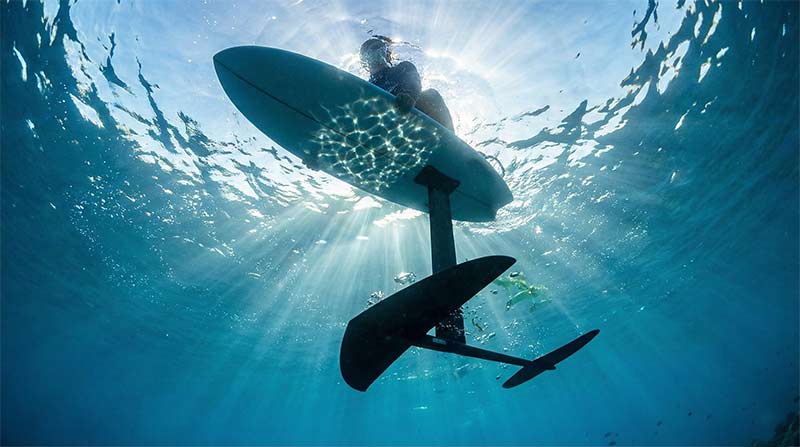
When you try foiling sport, you feel like you are flying above the water. The board rises up because of two main forces:
- Newton’s Third Law: The hydrofoil pushes water down, and this lifts you up.
- Bernoulli’s Principle: The foil’s shape makes water move faster on top, lowering pressure and creating lift.
You glide smoothly, with little drag, and enjoy a quiet, almost floating ride.
Key Takeaways
- Foiling sport lets you move above water. You use a hydrofoil that lifts you up. The hydrofoil works because of its shape and physics rules.
- There are many foiling sports you can try. Some are foil surfing, kite foiling, and wing foiling. Each one gives you a different experience.
- Foiling sport helps you get fit. It makes your core muscles stronger. It is good for your heart. It also helps you feel happier.
- Safety gear is very important. You should always wear a helmet. You need an impact vest too. Check your gear before you ride. This helps you avoid getting hurt.
- Use beginner gear when you start. Pick gear that fits your skill level. Make sure it works for your local area. This helps you stay safe and have fun.
Foiling Sport Basics
How Hydrofoils Work
When you step onto a hydrofoil board, you use science to glide above the water. The hydrofoil creates lift because of its special shape. As you move, water flows faster over the top of the foil and slower underneath. This difference in speed causes a pressure change, which lifts you up.
The Euler equations explain how the water gets pushed downward, giving you an upward force. Designers add features to the hydrofoil that help keep you stable, even when the water gets rough. The size and shape of the foil matter a lot. Bigger foils give you more lift, while smaller ones help you go faster. Lightweight materials make the board easier to control. Some boards have advanced systems that adjust to waves, so you get a smoother ride.
For more details about how a hydrofoil works, please click the link to see.
Types of Foiling Sports
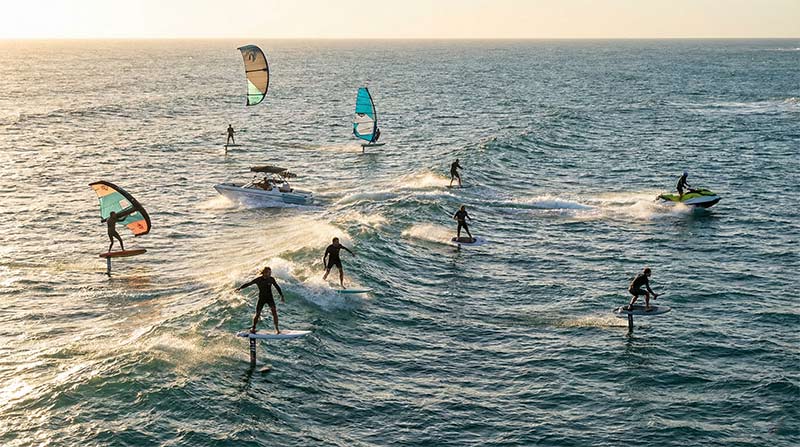
Foiling sports encompass a wide range of water disciplines that use a hydrofoil mounted beneath a board to lift the rider above the water’s surface. By reducing drag and increasing efficiency, hydrofoils enable smoother, faster, and more energy-efficient riding. Based on power source, riding technique, and environment, foiling sports can be classified into nine main categories.
1. Wing Foiling
Wing foiling sport combines a handheld inflatable wing with a hydrofoil board. The rider holds the wing directly, controlling power through body positioning and wing angle rather than lines or rigs.
This discipline is known for its versatility, as it can be practiced in flat water, waves, lakes, and open ocean conditions. Wing foiling offers a relatively accessible learning curve and has become one of the fastest-growing foiling sports worldwide.
2. Surf / Prone Foiling
Surf foiling sport, also called prone foiling, involves paddling into waves without any external power source such as sails or wings. Once on foil, riders use wave energy and efficient pumping techniques to maintain lift and connect multiple waves.
This discipline emphasizes timing, balance, and foil control, and is especially popular in small or weak wave conditions where traditional surfing is limited.
3. Downwind / SUP Foiling
Downwind foiling sport focuses on long-distance riding by harnessing ocean swells and wind-generated bumps. Riders typically start by paddling on a SUP foil board to gain initial speed, then link swells while remaining on foil for extended periods.
SUP foiling bridges the gap between paddle sports and open-ocean foiling, requiring endurance, ocean-reading skills, and efficient pumping technique.
4. Wind Foiling
Wind foiling adapts traditional windsurfing equipment by replacing the fin with a hydrofoil. This allows riders to take off in significantly lighter wind conditions while achieving smooth, stable flight above the water.
Wind foiling is widely used for freeride, racing, and recreational sailing, offering increased efficiency and reduced water resistance compared to conventional windsurfing.
5. Wake Foiling
Wake foiling sport is performed behind a boat, using the wake as the main energy source. After takeoff, riders can often drop the rope and continue foiling on the wake alone.
This discipline is popular for learning foiling fundamentals due to its controlled environment and consistent power, making it suitable for beginners and advanced riders alike.
6. Kite Foiling
Kite foiling uses a traction kite to generate power, paired with a hydrofoil board for lift. It is known for high efficiency, strong upwind performance, and wide wind range.
Kite foiling is commonly practiced in racing, long-distance cruising, and high-speed freeride, and requires advanced kite handling skills alongside precise foil control.
7. Pumping Foil
Pumping foil is a discipline that relies entirely on the rider’s body movement to generate and maintain lift. By rhythmically shifting weight and pumping the foil, riders can glide across flat water without wind, waves, or motors.
This category highlights the efficiency of hydrofoil design and is often practiced near docks, harbors, or calm water environments.
8. Tow Foiling
Tow foiling sport involves being towed by a boat, jet ski, or winch to reach foiling speed. Once released, riders can surf waves, open-ocean swells, or practice advanced maneuvers.
Tow foiling is commonly used to access hard-to-reach waves, large swells, or as a training method for developing high-speed foil control.
9. Power Foiling (E-Foil)
Power foiling, commonly referred to as e-foiling, uses an electric motor to provide propulsion. This enables riders to foil independently of wind or wave conditions.
E-foiling is well suited for flat water, lakes, and learning environments, and is increasingly used for recreation, instruction, and assisted foiling applications.
Now, wing foiling has become the fastest growing sport in the watersport world since windsurfing took off in the 1980s. Many people love it because you can learn quickly and enjoy it in different wind conditions.
Why Try Foiling Sport
You gain many benefits when you join the foiling sport community. You build strength, improve your health, and boost your mood. Here is a table showing some of the main health and fitness benefits:
| Benefit | Description |
|---|---|
| Core Strength | You work your abdominal and lower back muscles, which helps your posture and reduces back pain. |
| Leg Workout | You use your legs for balance, making them stronger and more flexible. |
| Upper Body Strength | You develop your arms, shoulders, and back by controlling the kite or wing. |
| Cardiovascular Health | You get a great cardio workout, which helps your heart and lungs. |
| Mental Health | You feel happier and less stressed when you spend time on the water. |
| Outdoor Exposure | Sunlight and fresh air help lower anxiety and depression. |
- Wing foiling burns about 500 to 700 calories every hour.
- If you practice three times a week, you can lose 2 to 3 kilograms and reduce your body fat by 2% each month.
- Most people (90%) see a 15% to 25% increase in core muscle strength after six weeks of wing foiling.
- Women gain an average of 20% more upper body strength and 15% more grip strength after eight weeks.
The dynamic movement in wing foiling keeps your heart rate between 120 and 150 beats per minute. This range is perfect for burning fat and improving endurance. After twelve weeks, you may notice a 5% drop in your resting heart rate and an 8% boost in your maximum oxygen uptake.
You also enjoy psychological benefits. Many people say foiling sport helps them relax and feel less stressed. You spend time outdoors, which lifts your mood and helps you connect with nature. Regular practice can make you feel more confident and satisfied with your life.
Essential Equipment for Foiling
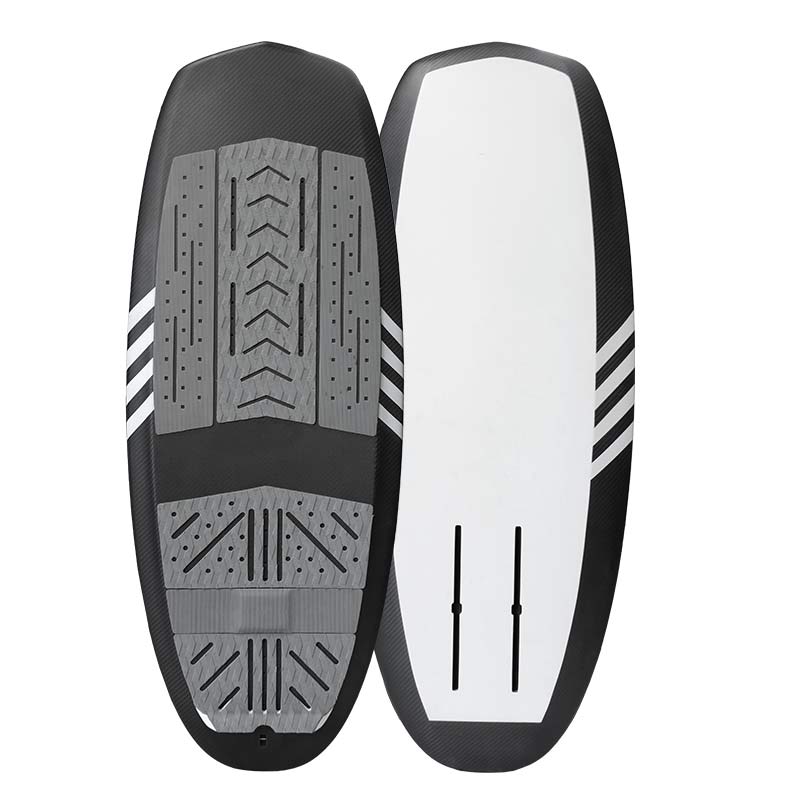
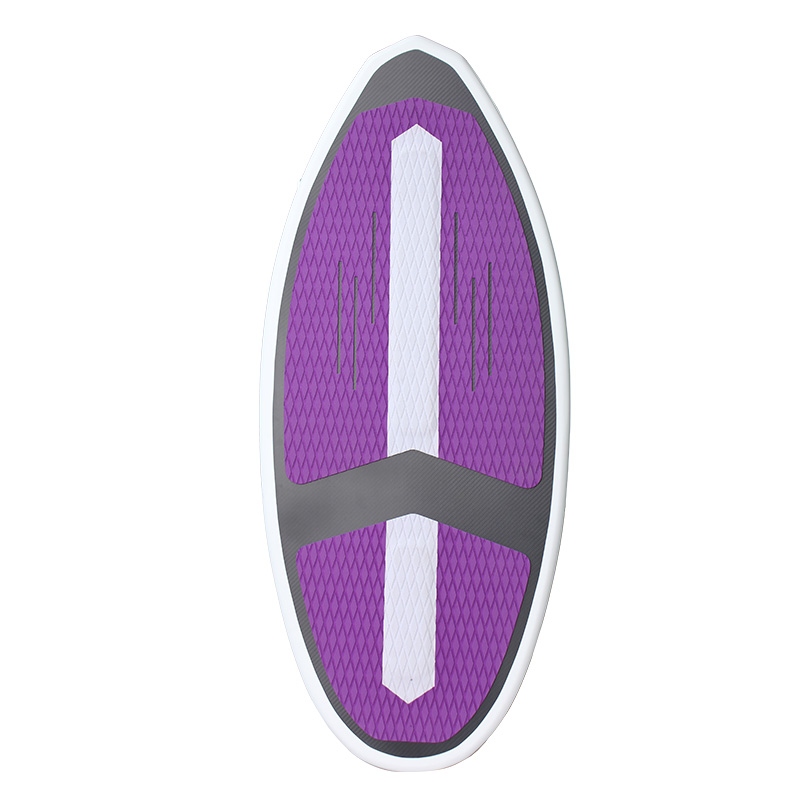
Foil Board Overview
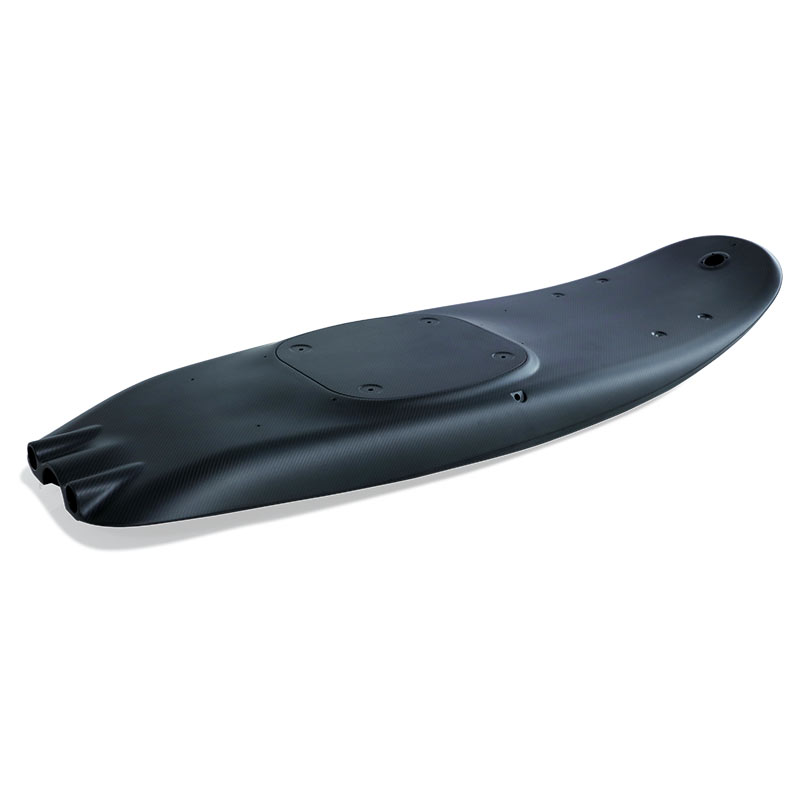
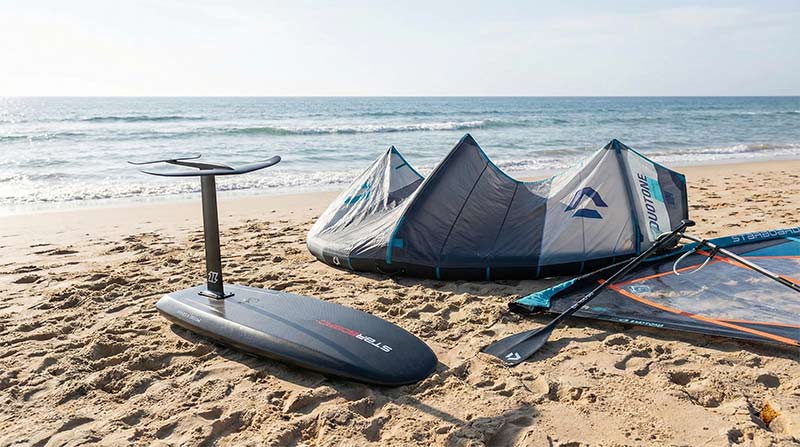
You need a foil board to begin foiling sport. The board holds your weight and helps you balance as you rise up. If you are new in 2026, look for these things:
- A beginner wing foilboard, with your weight plus 30-50 liters, helps you stay steady.
- The board should be stable when you start, take off, or land.
- You want the board to react quickly on waves and turns.
- Boards that let water flow off fast help you start and switch smoother.
- Designs that stop the rails from catching make turning easier.
Makers use strong materials like carbon fiber and epoxy. These materials keep the board tough, bendy, and safe from hits. Epoxy resin makes the board sturdy and bendy, which is good for boards that need to perform well. Special coatings protect your board from sun, salt water, and damage, so it lasts longer.
Hydrofoil and Mast
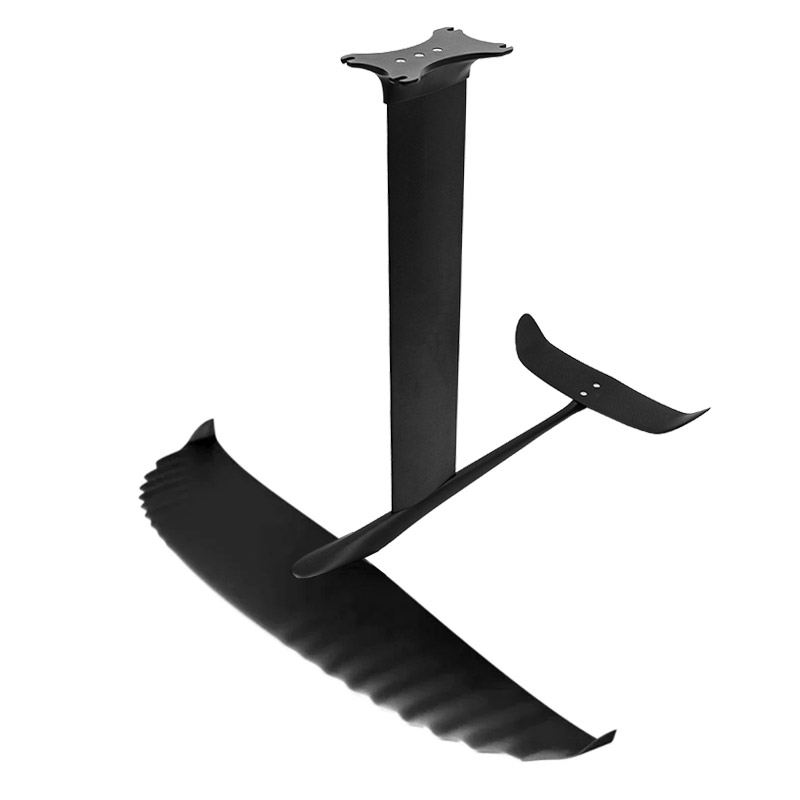
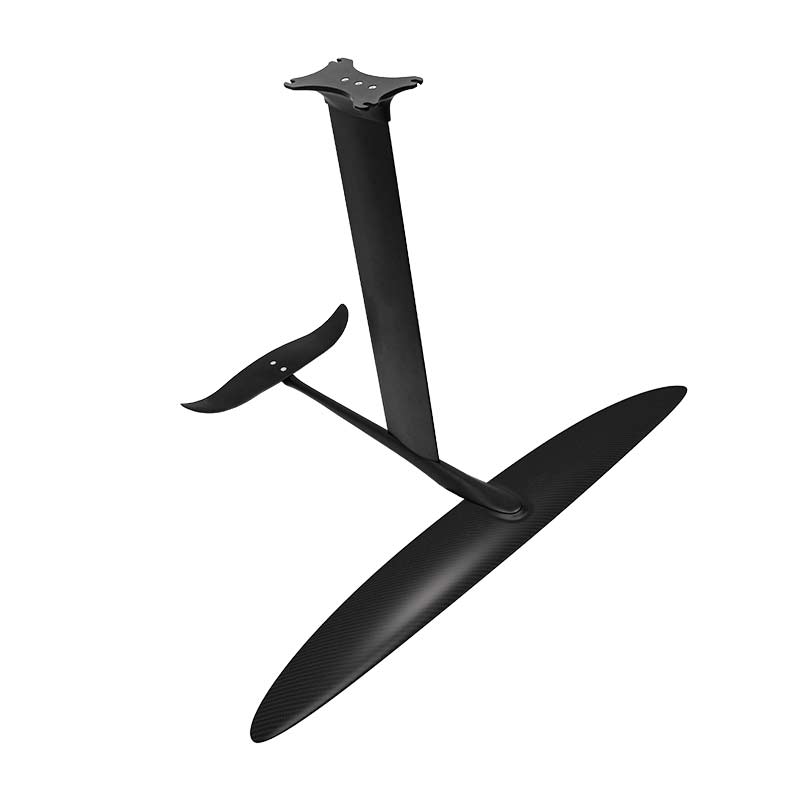
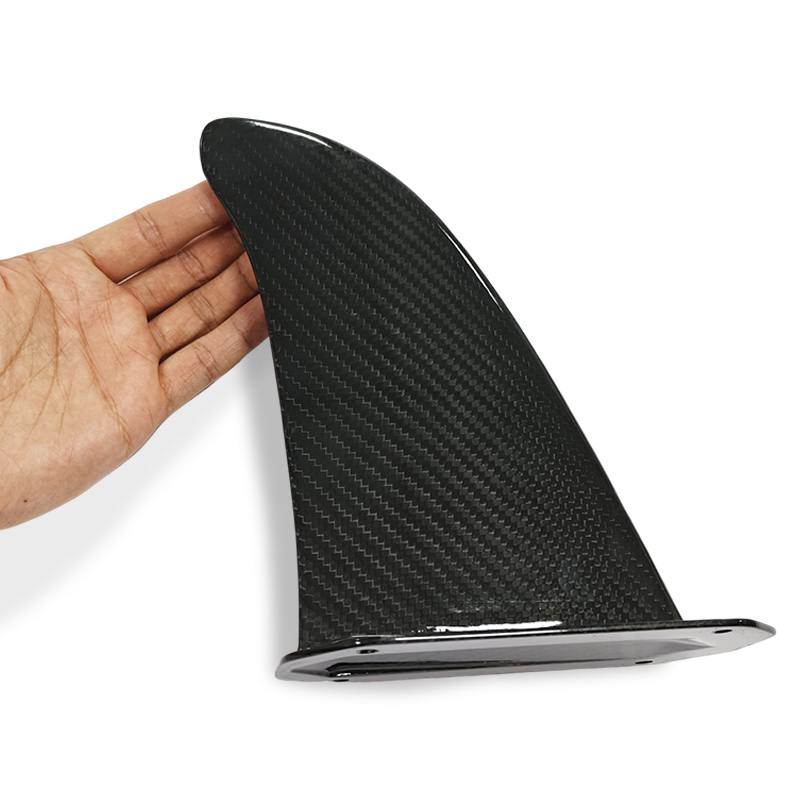
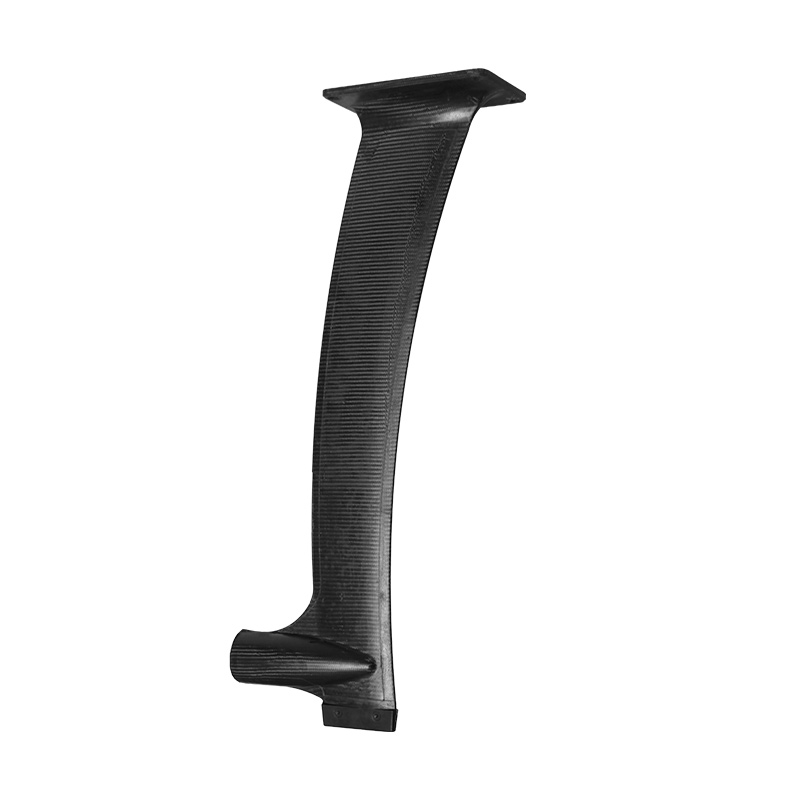
The hydrofoil lifts you above the water. It has a mast, fuselage, front wing, and rear stabilizer. The mast links the board to the foil and is made from aluminum or carbon fiber. Here is a table to compare them:
| Material | Weight | Strength | Cost | Suitability |
|---|---|---|---|---|
| Aluminum | Heavier | Durable | Cost-effective | Good for beginners |
| Carbon | Lighter, Stiffer | Superior stiffness | More expensive | Performance-focused |
Carbon fiber masts are lighter and stiffer, so you get better control and speed. Aluminum masts are tougher and cost less, which is great for people just starting.
The shape of the wings changes how your hydrofoil works. Check this table to see the differences:
| Wing Type | Shape Characteristics | Speed Suitability | Stability | Efficiency |
|---|---|---|---|---|
| High Aspect | Long and thin, high aspect ratio | High speeds | Less steady at low speeds | More efficient, less drag |
| Low Aspect | Short and wide, low aspect ratio | Slower speeds | More steady | Less efficient, more drag |
High aspect wings help you go faster and save energy, but they are less steady when you move slowly. Low aspect wings give you more steadiness, which helps when you are learning.
Wing, Kite, Paddle, Sail, Towing Device, or Motor
You need something to move your foil board across the water. You can pick from these main choices:
Wing
Wing foiling uses a handheld wing to capture wind power. Riders control speed and direction directly through the wing, offering a high level of freedom and maneuverability. It is versatile and works well in a wide range of conditions.
Kite
Kite foiling uses a traction kite connected by lines to generate power from the wind. This method is highly efficient and allows riders to travel long distances, ride upwind easily, and reach higher speeds compared to other wind-powered options.
Sail (Wind Foiling)
Sail-powered foiling, commonly known as wind foiling, uses a traditional windsurf sail mounted on a mast and boom. By combining sail power with a hydrofoil, riders can take off in lighter winds and enjoy smooth, efficient riding with precise control.
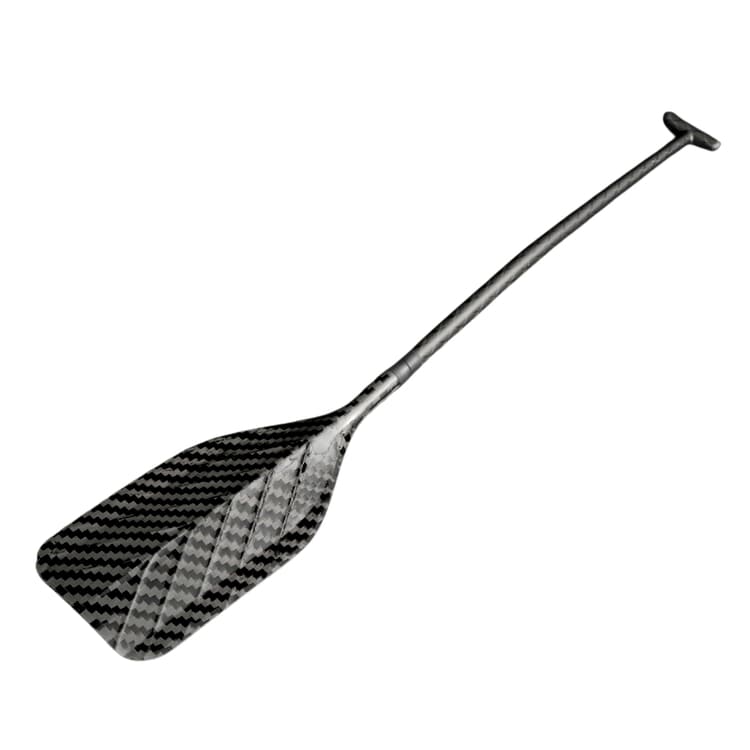
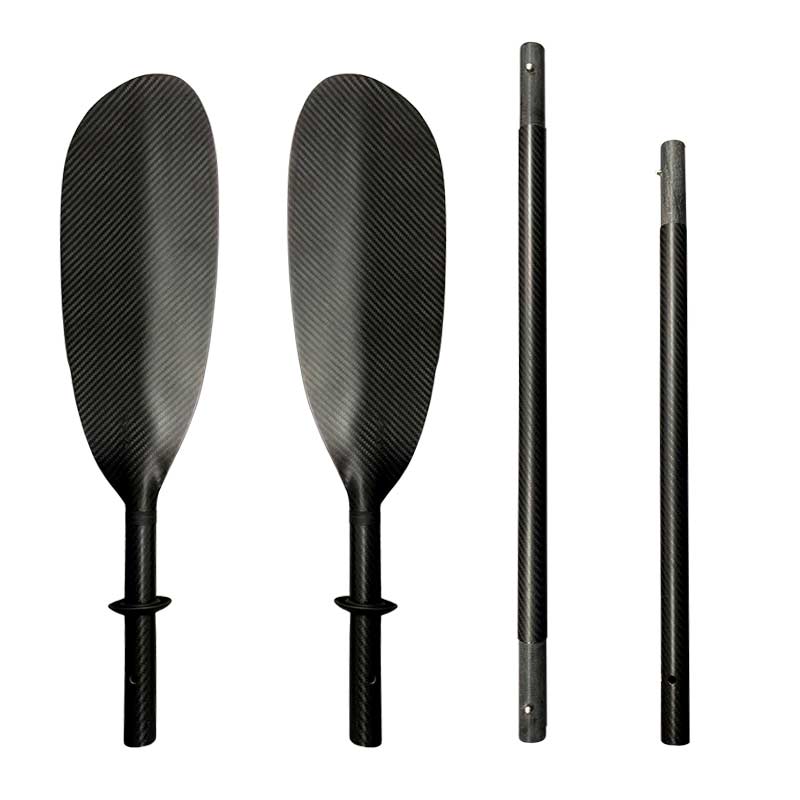
SUP Paddle
Paddle-powered foiling relies on paddling to generate initial speed. It is commonly used in surf, prone, and downwind foiling, where riders take advantage of waves or ocean swells. This method emphasizes timing, balance, and physical technique rather than continuous external power.
Towing Device
Towing-powered foiling uses external pulling force to reach foiling speed. This can include boats, jet skis, or compact remote-controlled towing devices. Once on foil, riders can continue gliding on waves or practice maneuvers without continuous towing.
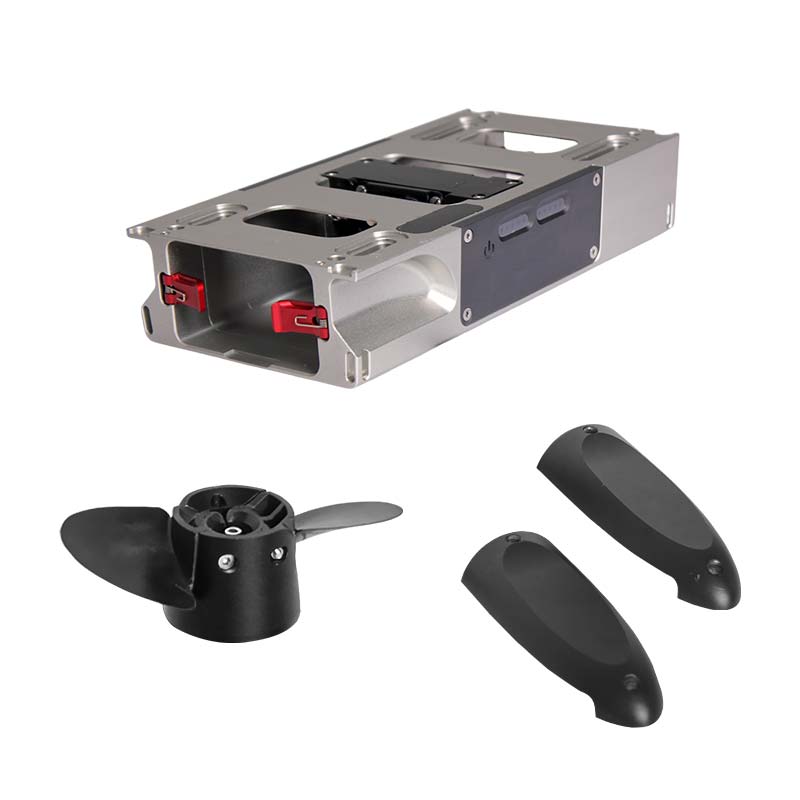
Motor (eFoil)
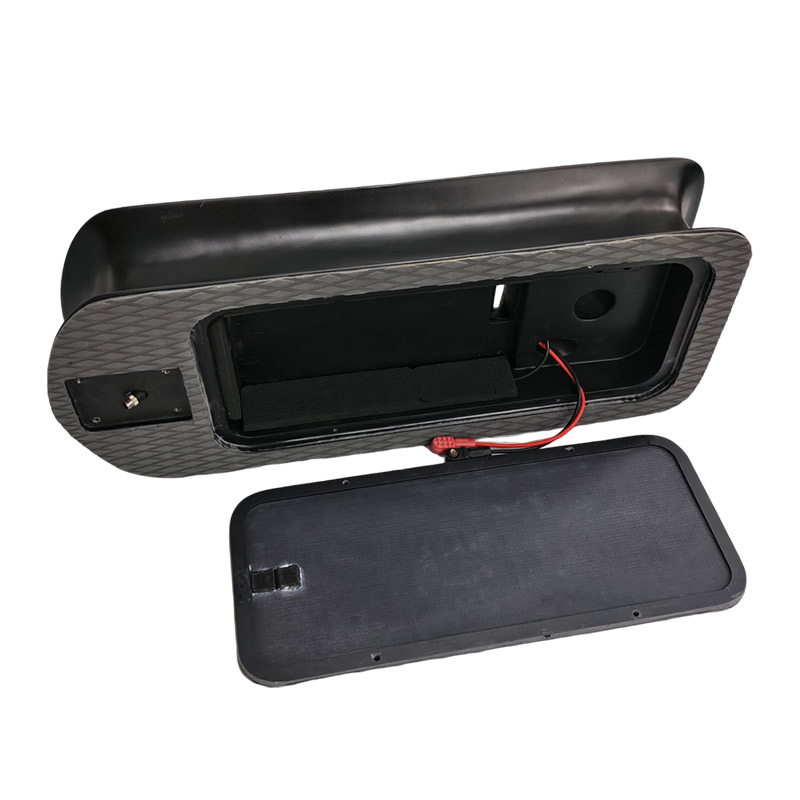
Motor-powered foiling, often called e-foiling, uses an electric motor and battery to provide steady propulsion. Because it does not rely on wind or waves, it allows riders to foil anytime and almost anywhere, making it ideal for flat water and learning.
Each way gives you a different ride. Wings and kites use wind, but motors give you steady speed. Pick the one that fits your skills and where you ride.
Safety Gear and Checks
Safety is important in foiling sport. You need the right gear to stay safe and keep your equipment in good shape. Here is a table with the most important safety gear and what each does:
| Safety Gear | Effectiveness |
|---|---|
| Impact Vest/PFD | Helps you float and protects your chest. Very important for water safety. |
| Helmet | Protects your head from hits. Extra important for beginners. |
| Wetsuit | Keeps you warm and stops scrapes or stings. |
| Leashes | Holds your board and wing, so you do not lose them if you fall. |
You should always check your gear before you ride. Look for cracks, sharp spots, or loose parts. The foil can hurt you, especially when starting in the water, so wear shoes to stop cuts. Helmets and life jackets keep you safe from falls and bumps. Do not ride in strong winds or near hard things. Ride with a friend to be safer.
How Equipment Works Together
Setting Up Your Gear
You need to set up your foiling gear carefully for a safe and fun ride. Start by adjusting the mast position. Move it forward for more stability or backward for quicker turns. Pick a foil that matches your skill. Beginners do best with larger foils because they give more lift and help you balance. Set the angle of attack between 3 to 5 degrees. This angle helps your foil lift you out of the water smoothly. Adjust the stabilizer for the right mix of lift and speed. Choose a longer fuselage if you want more stability. Always check your gear for damage or loose parts before you go out. Regular maintenance keeps you safe and your equipment working well.
On-Water Experience
When you hit the water, you will feel the magic of foiling. The hydrofoil acts like an underwater wing. As you pick up speed, the foil lifts your board above the surface. This lift reduces drag and lets you glide faster. If you use a motor, it gives you the push you need to reach the right speed for lift-off. Many beginners start with a big wing and a stable board. You might struggle at first, but most people learn quickly. After a short lesson, you can go from wobbling to gliding above the water. Always choose safe spots with steady winds and enough water depth.
- Use a board with 90 to 120 liters for better balance.
- Pick a wing size between 5.5 and 7 meters for easy handling.
- Wear a helmet and impact vest for safety.
Common Mistakes
Many beginners make simple mistakes that slow their progress or cause safety risks.
- Picking the wrong gear for your size or skill level.
- Forgetting to pump the wing to create power.
- Standing with stiff legs or poor posture.
- Over-pulling with your backhand, which can make you fall.
- Starting in water that is too shallow for your mast.
- Riding near rocks, weeds, or crowded areas.
- Spending too much time on your knees instead of standing up.
- Looking down instead of ahead.
Getting Started with Foiling Sport
Choosing the Right Gear
You want to pick gear that matches your skill and local conditions. Start with a board that has enough volume to support your weight. A board with volume equal to your body weight gives you more stability. Rounded edges help you balance if you are new, while high rocker boards work better in choppy water. Fiberglass boards cost less and suit beginners, but carbon fiber boards feel lighter and last longer for advanced riders. Make sure your board fits the foil and sail you plan to use.
- Larger wings help you ride in light winds by giving more lift.
- Smaller wings work best in strong winds, making control easier.
- Choose low-aspect ratio wings for stability if you are just starting.
- Modular systems let you switch parts for different styles.
Safety Tips for Beginners
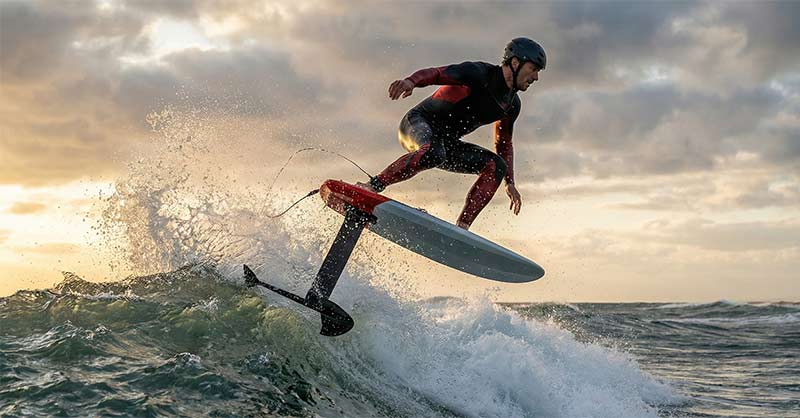
Staying safe helps you enjoy foiling sport. You should always wear a helmet, impact vest, and leash. Use a signaling device if you ride far from shore. Learn about local wind and water patterns to avoid surprises. Stay away from busy boat channels and shallow spots. Watch for marine life.
Here are common injuries and how to prevent them:
| Common Injuries | Prevention Strategies |
|---|---|
| Shoulder injuries | Wear protective gear, rest often |
| Knee injuries | Train properly, know your limits |
| Foot strap injuries | Use straps that release if you fall |
| Superficial foot injuries | Wear cut-resistant shoes, use shin guards |
Where to Learn
You can learn foiling sport at top schools with expert teachers. The SF Wingfoil Academy in North America offers lessons that help you build skills and confidence. Manta Water Sports also provides training with experienced instructors who focus on safety and good technique.
- Group lessons usually cost $50 to $100 per hour.
- Private lessons range from $100 to $200 per hour.
- Multi-day camps cost between $500 and $1,500.
Most people need 3 to 10 hours of lessons to feel comfortable on the water. Choose a school with good reviews and patient instructors. You will learn faster and have more fun.
You now know how foiling sport lets you glide above the water with the right board, hydrofoil, and safety gear. New designs and lighter materials make learning easier than ever. The sport is growing fast, with e-foils and smart features attracting more people each year. Start by finding a lesson or trying beginner gear. You will join a friendly community and enjoy the thrill of adventure on the water.
FAQ
What is the best age to start foiling sport?
You can start foiling sport at almost any age. Many kids begin around age 12. Adults of all ages enjoy it. You only need to know how to swim and feel comfortable in the water.
How long does it take to learn foiling sport?
Most people stand and glide after 3 to 10 hours of lessons. You learn faster if you have experience with board sports. Practice and patience help you improve your balance and control.
Do I need to be strong to try foiling sport?
You do not need to be very strong. Basic fitness helps, but foiling sport builds your strength over time. You use your core and legs most. Anyone who enjoys outdoor activity can learn.
Can I use foiling sport equipment in lakes or rivers?
Yes, you can use foiling sport gear in lakes, rivers, or the ocean. Look for deep water and open space. Avoid crowded or rocky areas. Always check local rules before you ride.
What should I wear for foiling sport?
Wear a wetsuit if the water feels cold. Use a helmet and impact vest for safety. Water shoes protect your feet. In warm weather, a rash guard and board shorts work well.